


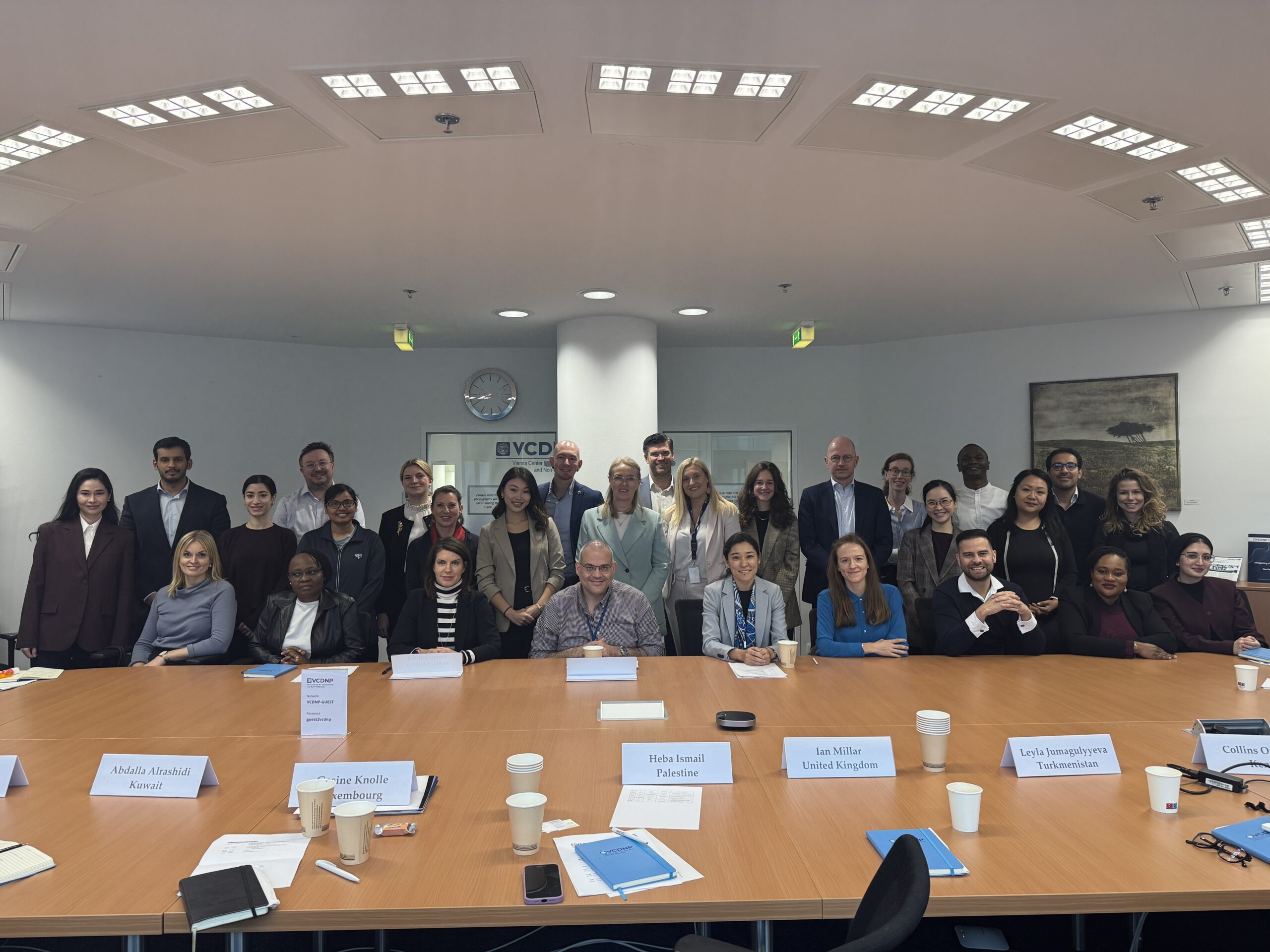
The VCDNP hosted its 30th intensive short course on nuclear non-proliferation and disarmament from 22 to 26 September 2025, providing training for 24 diplomats from 23 countries across all regions of the world. Two-thirds of the participants were women and 58% were from developing countries. Both experts and course participants came from a wide variety of backgrounds, contributing to fruitful discussions and an inclusive and diverse learning environment.

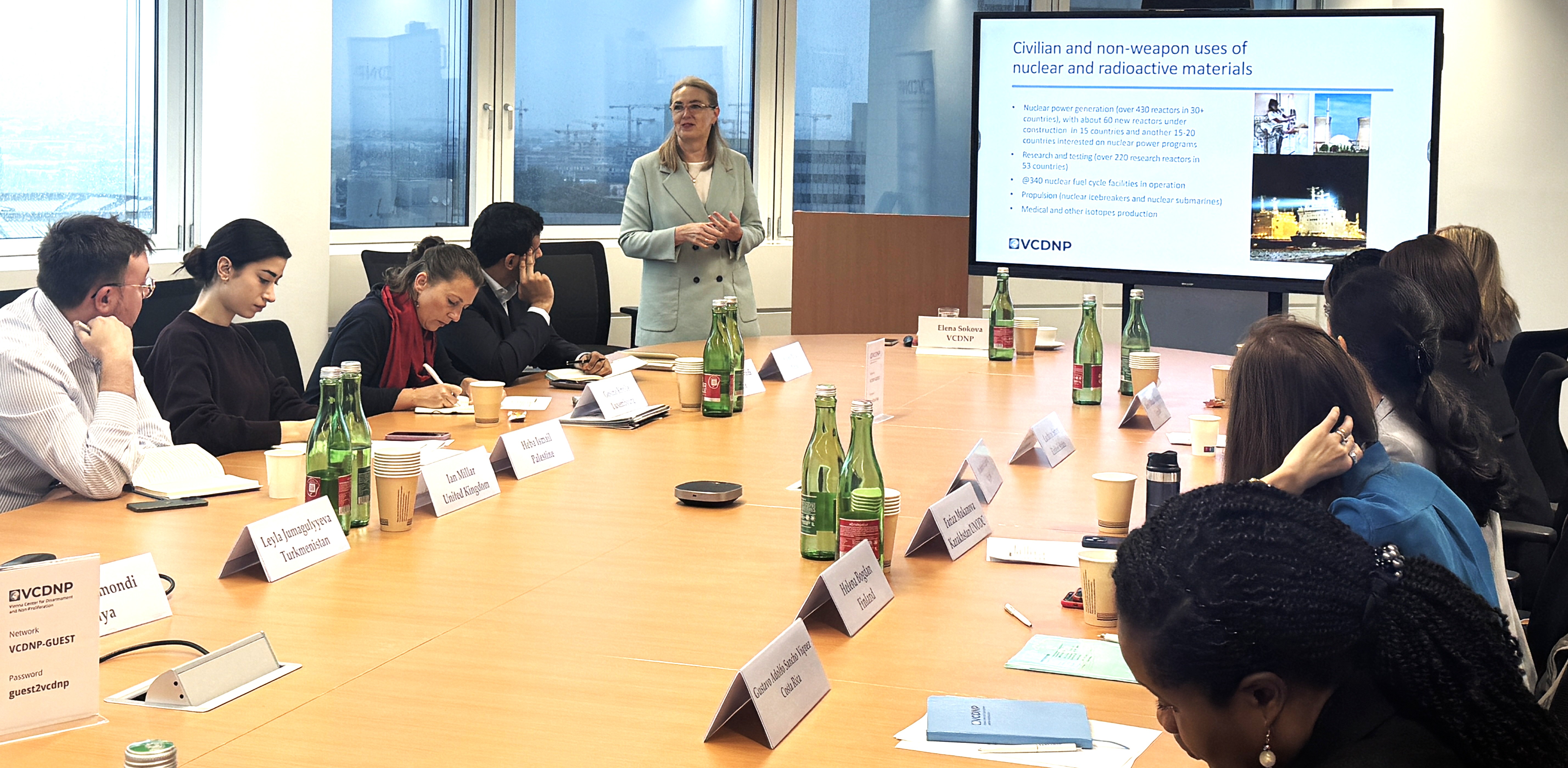
During the five-day programme, course participants engaged with experts during seminars and briefings, panel discussions, and on-site visits that covered a diverse array of nuclear-related subjects. The course included sessions led by VCDNP experts as well as guest speakers, with topics including:
- The Treaty on the Non-Proliferation of Nuclear Weapons and Nuclear-Weapon-Free Zones, by Japan Chair for a World without Nuclear Weapons Gaukhar Mukhatzhanova;
- The Humanitarian Initiative and the Treaty on the Prohibition of Nuclear Weapons by Ambassador Alexander Kmentt;
- The United Nations and the State of Play in Multilateralism by Senior Fellow Angela Kane;
- An overview of the United Nations disarmament machinery by UNODA Vienna office chief Rebecca Jovin;
- Discussions of nuclear arsenals and the history of arms control by Senior Fellow Dr. Nikolai Sokov;
- A discussion on nuclear security by Executive Director Elena K. Sokova;
- A fireside chat on the IAEA and its Policymaking Organs with Senior Fellow Laura Rockwood and Senior Research Associate Noah Mayhew;
- A set of case studies in nuclear verification by Dr. Jacques Baute;
- Peaceful uses of nuclear technology by Senior Fellow Ingrid Kirsten.
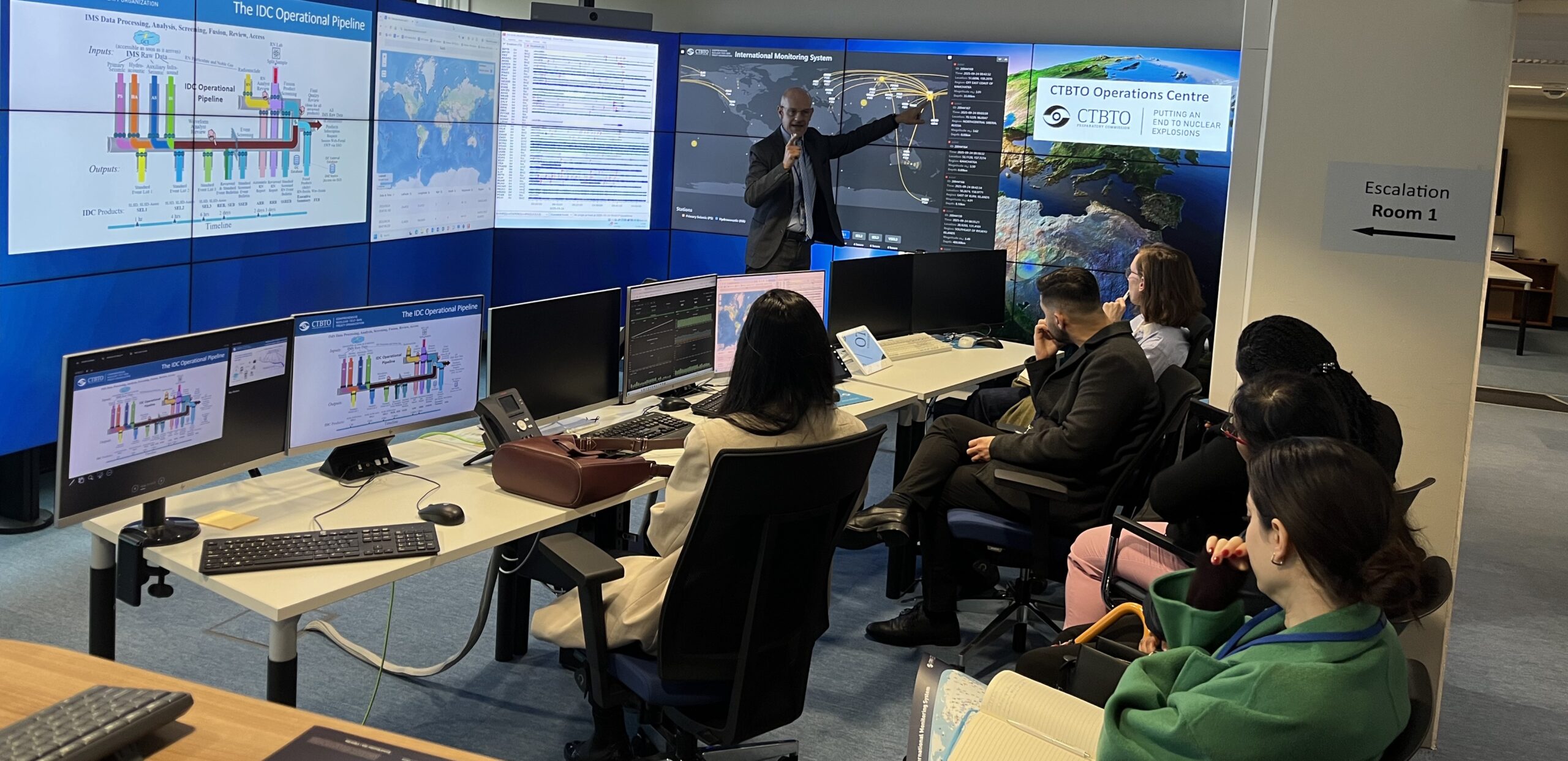
Course participants also had the opportunity to visit the Comprehensive Nuclear-Test-Ban Treaty Organization (CTBTO) and the International Atomic Energy Agency (IAEA), where they gained insights into the work of both organisations, including the CTBTO’s International Monitoring System, the International Data Centre, as well as the IAEA’s safeguards verification techniques.

An alumni panel also allowed participants to pose questions about the practical application of the course content and trade tips on negotiating nuclear matters in a multilateral format with an emphasis on Vienna-based international organisations.
The following are testimonials from the fall 2025 cohort:
“I would absolutely recommend this course since this will provide anyone working on this topic with a solid background on the matter […].”
“I wish I had the opportunity to take this course earlier; it has really deepened my understanding of nuclear non-proliferation and disarmament.”
“Especially to those of us from smaller countries/missions who cover multiple topics in their portfolio, the scope covered is extremely useful to get a broad overview of all relevant topics.”

The VCDNP extends its gratitude to the Carnegie Corporation of New York, the Ministry of Foreign Affairs of the Netherlands and the Federal Ministry for European and International Affairs of Austria for their generous support of its capacity-building and training activities.