


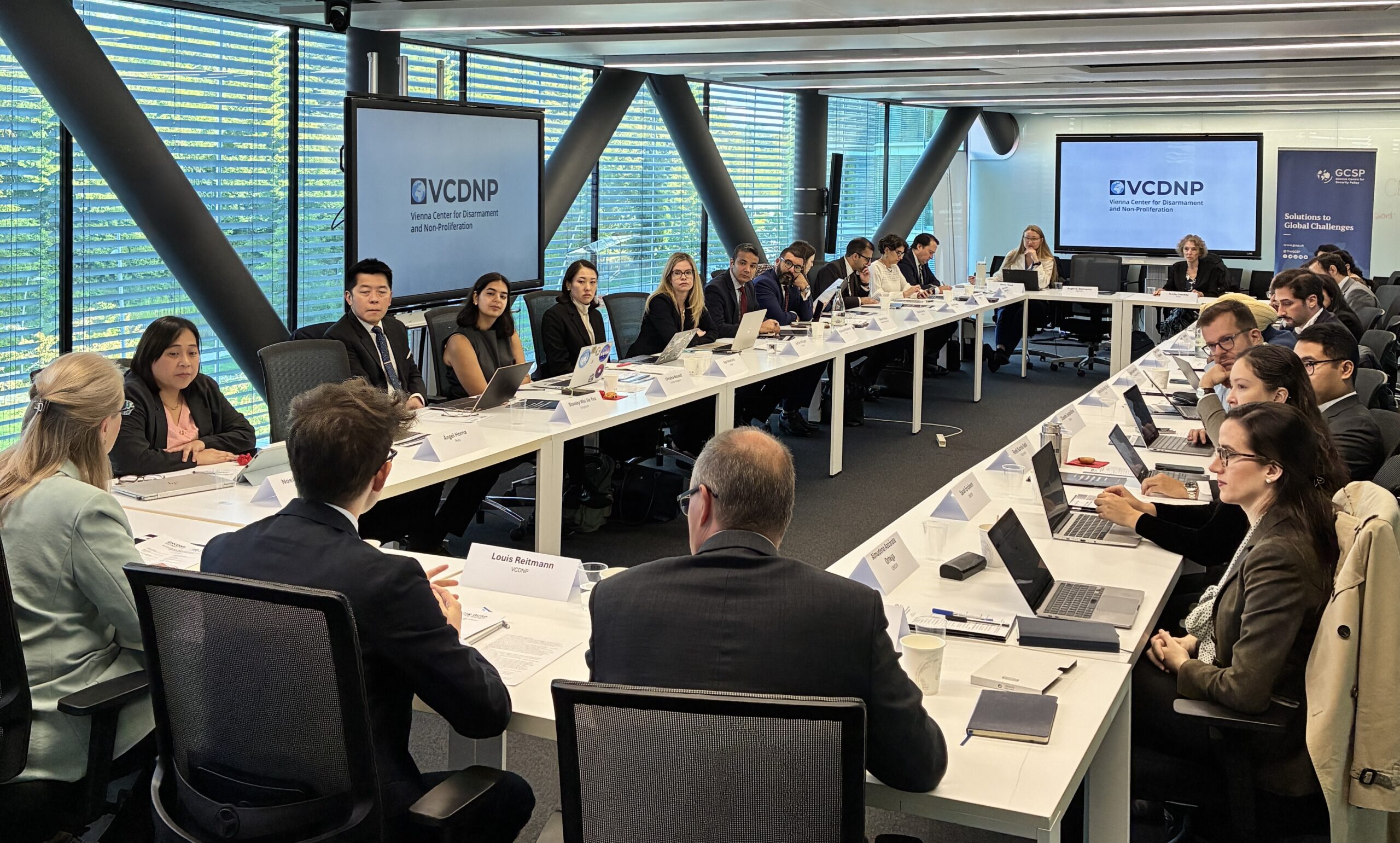
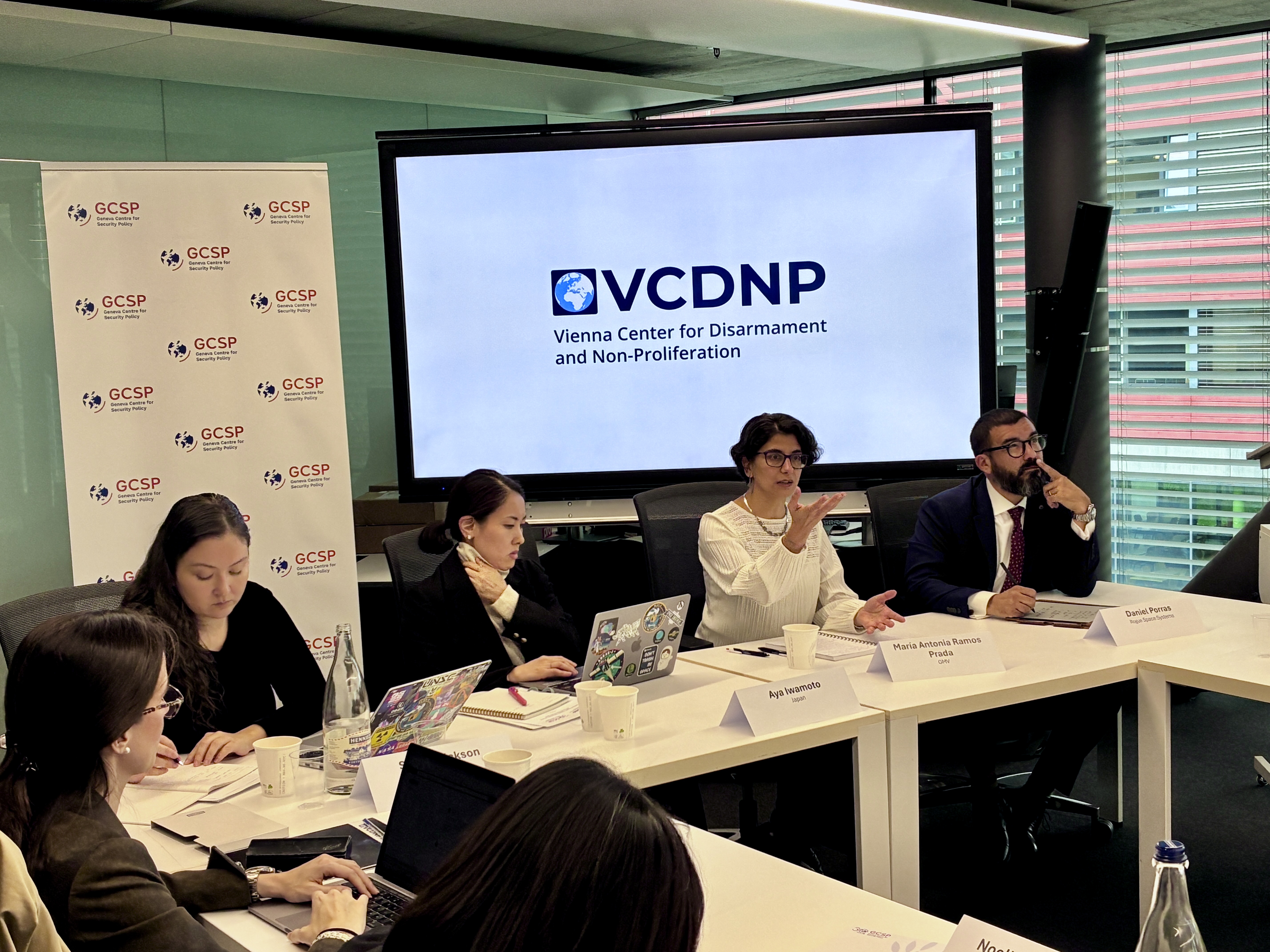
The VCDNP convened officials and diplomats from 18 countries, experts, and space industry for a workshop to explore next steps towards comprehensive space security on 25 and 26 September 2025, in collaboration with the Geneva Centre for Security Policy (GCSP). Bringing together a diverse range of advanced, emerging, and non-spacefaring nations from all continents, the workshop aimed to:
- Discuss concrete measures that States can take to reduce threats in space,
- Further enhance the effectiveness of UN processes on PAROS, and
- Identify actions towards these goals to take before and at the July 2026 session of the OEWG on PAROS in All its Aspects.
In a mix of panel discussions and breakout groups, participants also explored three key areas for facilitating progress on space security: enhancing the agency of Global South countries on PAROS, learning from governance successes and working methods in COPUOS, and benefitting from industry input on shaping standards and expectations for conduct in space.


A Results-Oriented Approach to PAROS
Following an overview of achievements and outstanding questions across 40+ years of PAROS processes by UNIDIR experts Almudena Azcárate Ortega and Sarah Erickson, participants followed a hybrid panel discussion based on the VCDNP paper A Results-Oriented and Form-Flexible Approach to PAROS.
Participants heard that States should increase transparency of military activities in space, implement voluntary measures – informed by recommendations in the 2023 OEWG Chairperson’s summary and the 2024 GGE report – and develop concrete plans for consultative mechanisms to prevent misunderstanding and escalation in space. Other suggestions included evaluating success of PAROS processes by whether States implement agreed recommendations, and by lowering the bar for success from unanimity to consensus, focussing on inclusive and participatory discussions rather than the ability to block outcomes by veto.
Speakers
- Ambassador Bassem Hassan, Chair of the GGE on Further Practical Measures for PAROS (2023-2024)
- Ambassador Hellmut Lagos Koller, Chair of the OEWG on Reducing Space Threats
- Jessica West, Senior Researcher, Project Ploughshares
- Louis Reitmann, Research Fellow, VCDNP
- Elena Sokova, Executive Director, VCDNP (Moderator)

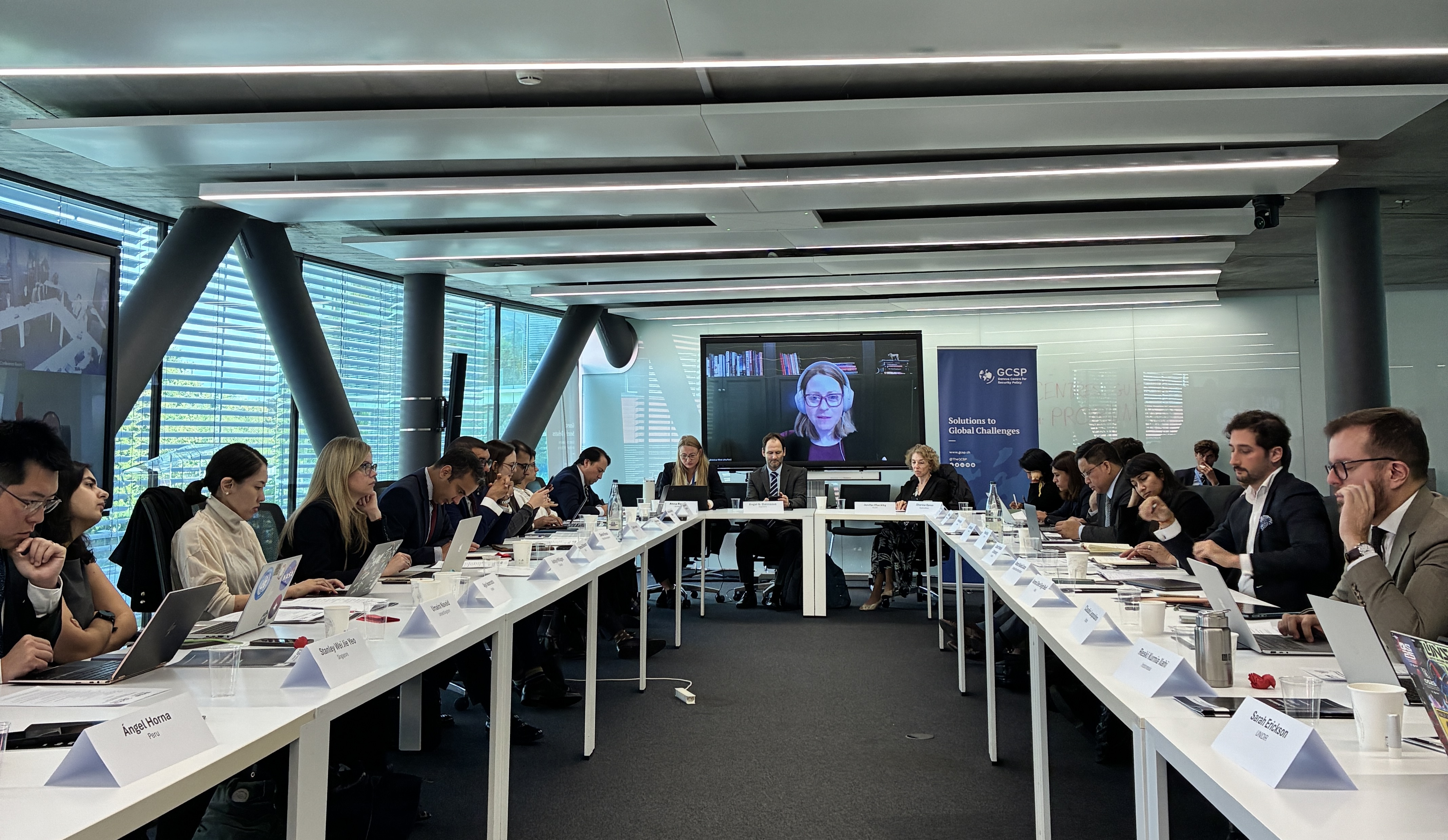
Free, Equal, and Secure – Global South Perspectives on PAROS
The next session addressed Global South countries’ priority of ensuring that space is a secure, sustainable, and accessible global commons. Participants heard about the need for Global South countries to participate in PAROS processes given the disproportionate effects of potential conflict in space they would suffer, as well as their shared interest in a comprehensive approach to space security. The discussion also identified nuances between Global South countries in capabilities, political orientation, and concerns about affirming a divide between ‘haves’ and ‘have-nots’ of counterspace capabilities.
The discussion highlighted that Global South countries can serve as honest brokers, although their ability to hold the space powers accountable for destabilising behaviours in space can be limited. Global South participation in space security could be boosted through regional dialogue – complemented by expert-provided capacity-building – so that resource limitations no longer prevent essential capital-based input to be heard in multilateral space security forums. Capitals’ engagement on PAROS, in turn, provides capacity-building side effects for Global South countries.
Speakers
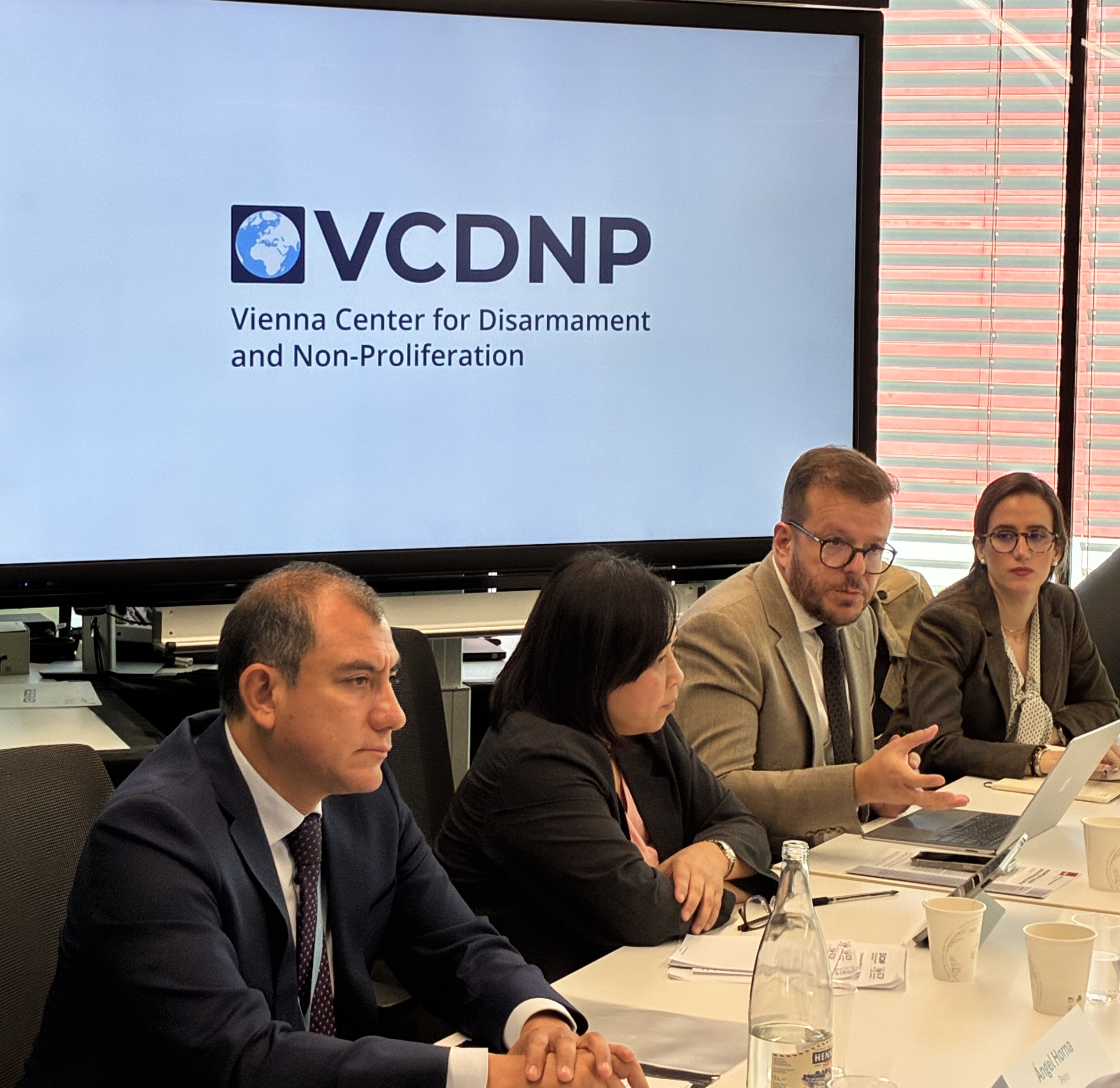
- Noelle Riza Castillo, Director of the Space Policy and International Cooperation Bureau, Philippine Space Agency
- Ángel Horna, Deputy Permanent Representative, Permanent Mission of Peru
- Claudio Leopoldino, Counsellor, Permanent Mission of Brazil
- Almudena Azcárate Ortega, Researcher, UNIDIR (Moderator)

Learning from Vienna – How Space Safety and Sustainability Solutions Can Support PAROS
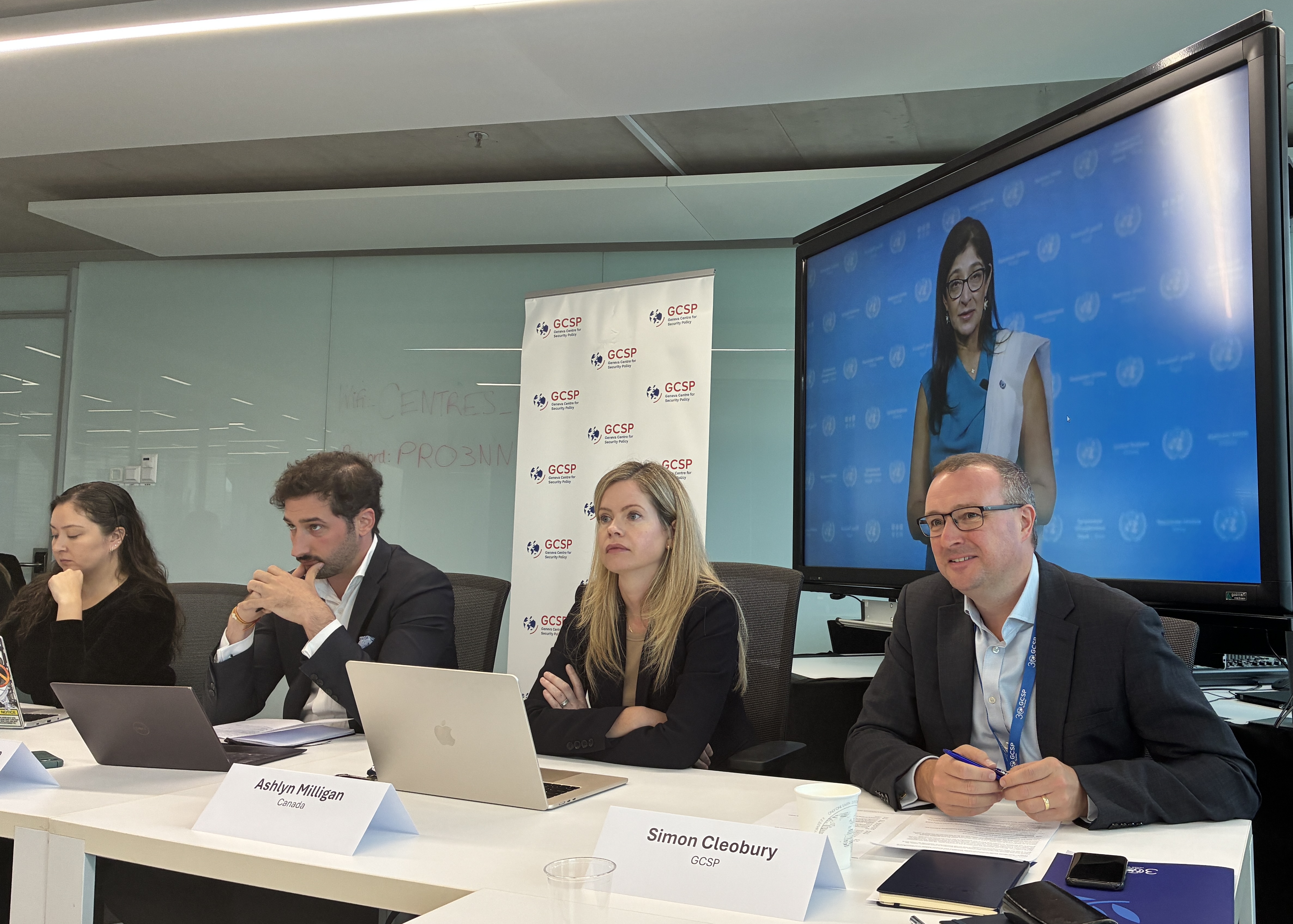
The following discussion identified how PAROS processes could benefit from building on principles and guidelines agreed in COPUOS and by adopting tried and tested working methods from Vienna: PAROS processes could feature more input from technical and industry experts and establish working groups that tackle concrete and manageable issues, rather than space security as a whole. PAROS processes would also benefit from the kind of legal and technical assistance that UNOOSA provides to COPUOS, and from more institutional longevity and procedural clarity. Regular exchange between PAROS bodies an COPUOS would allow States to make better informed decisions in each forum and prevent the duplication of efforts. It was stressed that a holistic approach to space safety, security, and sustainability is the norm, not the exception, in how States organise and implement space governance at home.
Additionally, States could use language on collision avoidance, communication, transparency, and other security-relevant issues from the Space Debris Mitigation Guidelines or the Long-Term Sustainability Guidelines as a basis for rules and mechanisms on space security, for example, by agreeing standards for the details to be provided when registering space objects with UNOOSA.
Speakers
- Aarti Holla-Maini, Director, UNOOSA
- Ashlyn Milligan, Deputy Director for Space and Conventional Weapons, Global Affairs Canada
- Alberto Rueda Carazo, Research Fellow, European Space Policy Institute (ESPI)
- Sarah Erickson, Project Coordinator, UNIDIR
- Simon Cleobury, Head of Arms Control and Disarmament, GCSP (Moderator)

Industry Contributions to Space Security
Participants also had the opportunity to engage with companies that provide in-orbit servicing, space situational awareness (SSA), and other services. The discussion showed that commercial actors are actively shaping international standards and expectations around behaviour in space, through their own operations, their involvement in developing national space regulations, and through guidelines produced by industry associations. Participants also heard industry perspectives on how States could enhance transparency in their own operation, for example, by sharing advance information on manoeuvres, allowing international verification of movements, including by SSA providers.
The discussion also underlined the global trend of shifting military procurement from State-owned to flexible commercial platforms and the risk that industry actors may reduce their operational transparency if required by government clients.
Speakers
- Aya Iwamoto, Vice President, Strategy and Policy, Astroscale Japan
- Daniel Porras, Director of International, Government and Regulatory Affairs, Rogue Space Systems
- María Antonia Ramos Prada, Head of STM Policy and Business Development, GMV
- Sarah Erickson, Project Coordinator, UNIDIR (Moderator)

Creating the Next Chapter in PAROS: Priorities and Actions
In breakout groups, participants tackled the PAROS goal via smaller, more manageable issues, demonstrating the effectiveness of this approach for threat reduction in space. They began designing a threat reduction pathway – a sequence of concrete threat reduction measures – for unauthorised rendezvous and proximity operations. Elements included providing advance information on testing docking manoeuvres, national declarations on what States consider threatening in proximity operations, providing an operational point of contact, routine ‘hotline’ exercises to build a crisis communication reflex between State operators, etc.
The mix of policy, diplomatic, and technical expertise in each group was noted as a particular strength of this format. Follow-up work in small, diverse groups could deliver promising results by outlining detailed, actionable pathways for reducing identified space threats, from rendezvous and proximity operations to intentional debris creation.
Participants also identified ways to enhance the effectiveness of UN bodies on PAROS and actions that States can take before and at the next session of the current OEWG. For example, non-governmental and industry expertise could be featured during side events; States could work to arrange a briefing by UNOOSA and the chair of the expert group on space traffic coordination at the July 2026 session; States could prepare explanations of threat perceptions and proposals for norms, standards, and rules they are willing to back; etc.
In an anonymous survey, over 80 percent of respondents said that the workshop helped them understand “what steps might be necessary to reduce identified space threats”, that “identifying threat reduction pathways could contribute to a clearer vision for achieving space security”, and that the workshop “offered new ideas on how the work done in Vienna could directly support PAROS efforts.”
This workshop was made possible thanks to the financial support of the UK Foreign, Commonwealth & Development Office.