On 18 May 2026, the Vienna Center for Disarmament and Non-Proliferation (VCDNP) convened the final meeting of the fifth edition of the Young Women and Next Generation Initiative (YWNGI) Mentorship Programme, an initiative established within the framework of the EU Non-Proliferation and Disarmament Consortium (EUNPDC).

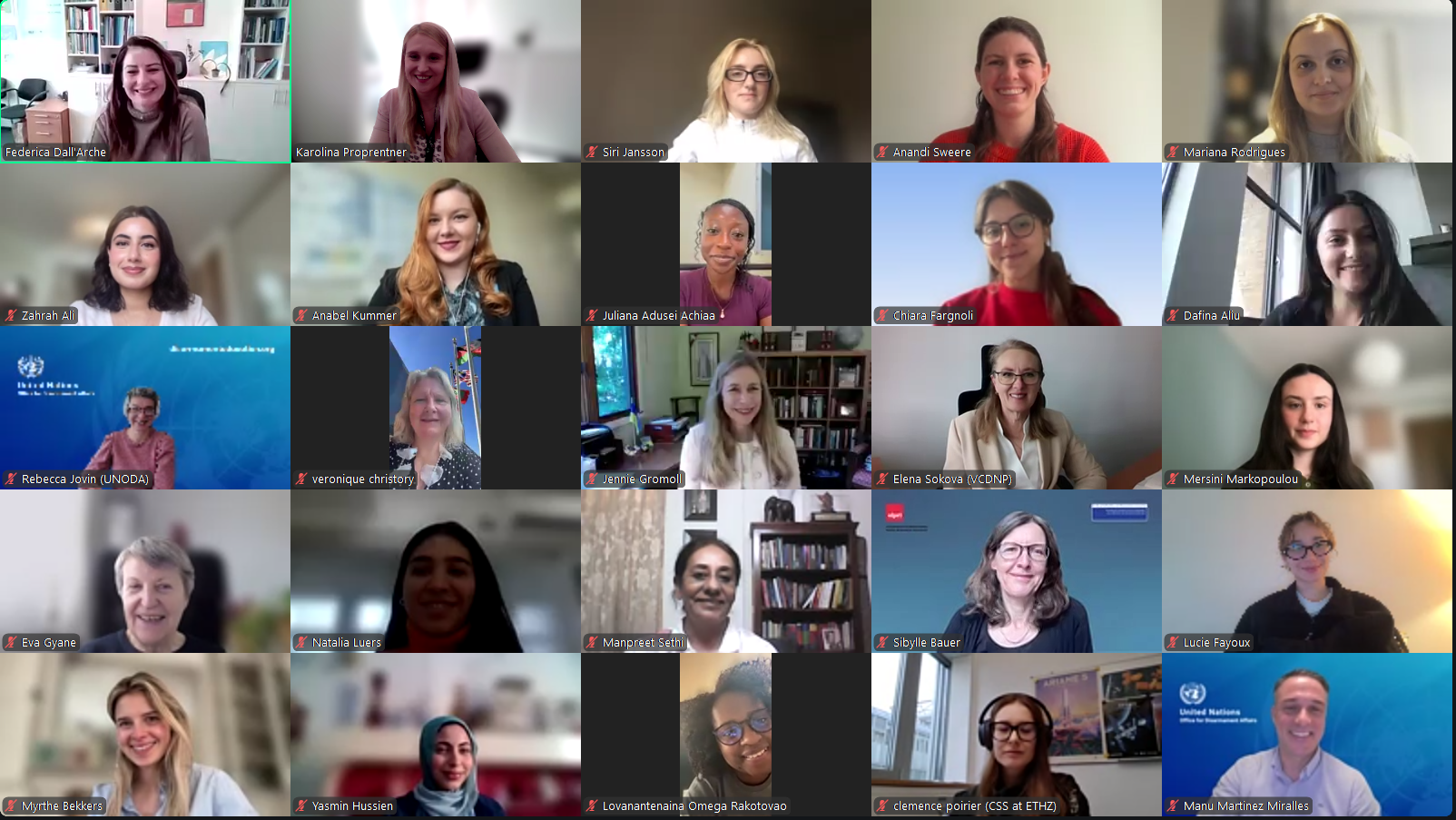
The closing event provided an opportunity for reflection, celebration, and exchange, while taking stock of the programme’s activities and impact over the past year.
Participants in the Mentorship Programme engaged in structured mentoring relationships that included regular virtual meetings, peer exchanges, and tailored professional guidance. Mentors and mentees also had the opportunity to participate in the EUNPDC Annual Conference and the Next Generation Workshop, as well as two skill-building workshops. Together, these experiences offered valuable exposure to the fields of non-proliferation, arms control, and disarmament, while enabling participants to expand their professional networks and explore career pathways.

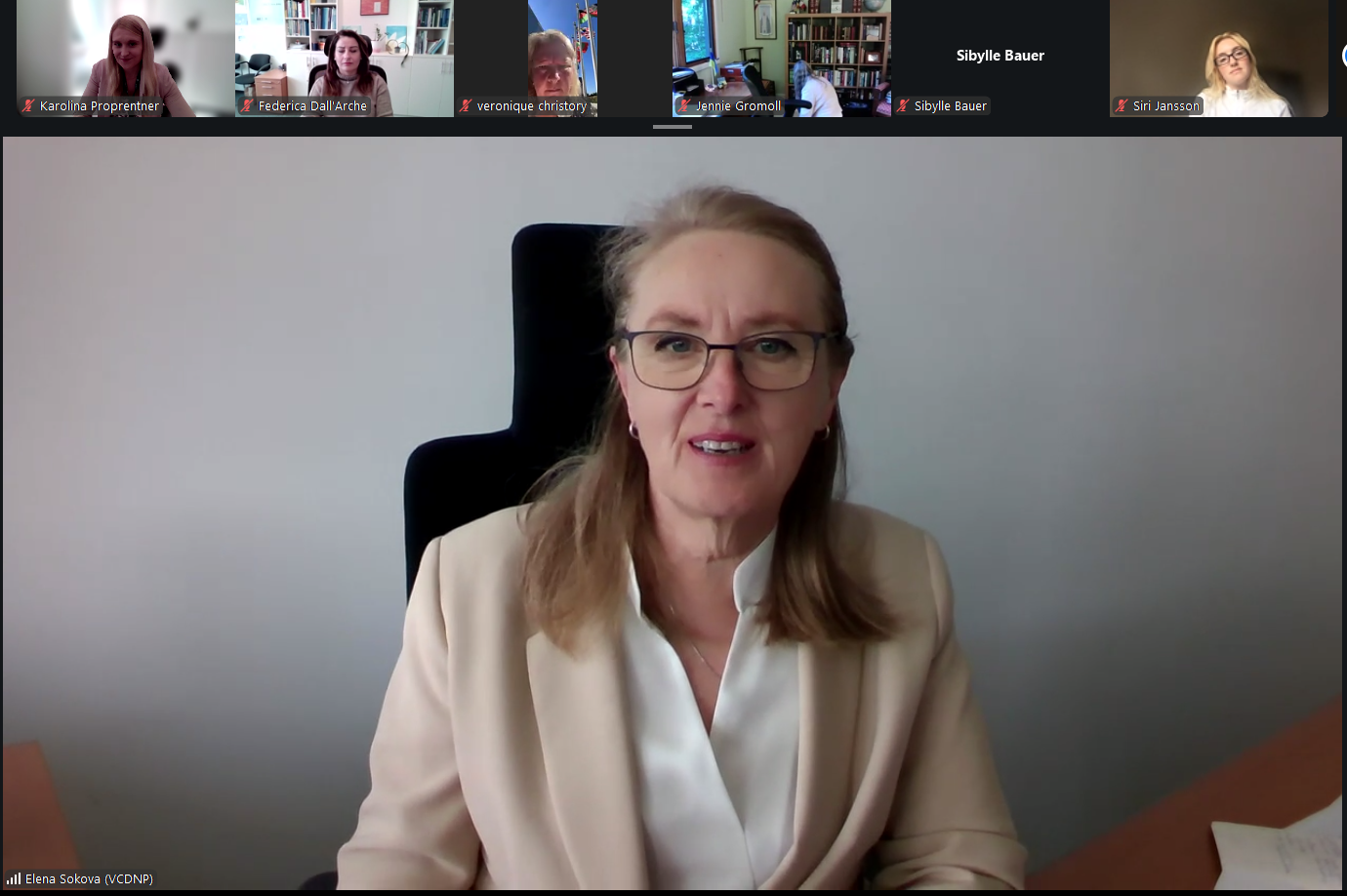
Opening the event, Elena K. Sokova, Executive Director of the VCDNP, underscored the transformative role of mentorship in shaping the next generation of leaders in the field. This year’s edition marked a significant milestone, bringing the total number of mentees who have participated in the programme to one hundred. Ms. Sokova highlighted how the programme and its growing community continue to provide a trusted space to exchange ideas, navigate challenges, offer support, and foster meaningful connections.
One of the highlights of the meeting was the presentation of mentees’ research projects. The programme featured five mentees who showcased their work:
- Juliana Adusei Achiaa, Master’s student at the University of Ghana, presented a compelling study on nuclear governance in Africa, focusing on bridging gender and science gaps in the field.
- Zahrah Ali, Master’s student at the London School of Economics and Political Science, explored strategic ambiguity in contemporary nuclear governance and offered an insightful analysis of the Northwood Declaration.
- Yasmin Hussien, Intern at a United Representative Office in Egypt, shared a critical analysis of the NPT and developed a comprehensive youth-oriented guide to the Treaty.
- Siri Jansson, Master’s student at Uppsala University, delivered a thought-provoking presentation on the history of landmines and reflected on recent withdrawals from arms control agreements.
- Mariana Rodrigues, Researcher at the Norwegian University of Life Sciences (NMBU), shared personal reflections on her academic journey toward becoming a social scientist and presented her work on social perceptions of small modular reactors (SMRs).

The meeting also included a professional development session led by Elizabeth Bone, Career and Academic Advisor at the Middlebury Institute of International Studies. Moderated by Federica Dall’Arche, Senior Research Associate at the VCDNP, the session focused on building resilience — an especially valuable skill for young professionals navigating their first career steps. Drawing on her extensive experience, Ms. Bone encouraged participants to reframe setbacks and rejection as opportunities for growth and to rely on their networks for constructive feedback and encouragement rather than internalising disappointment. Her message on overcoming negativity, paired with five practical and actionable recommendations, resonated strongly with participants, many of whom shared similar experiences and reflections.
During the final segment of the event, mentees and mentors were invited to reflect on their experience within the programme. The discussion, facilitated by Karolina Proprentner, Office and Events Manager at the VCDNP, generated rich and thoughtful exchanges. Many mentees emphasised that beyond the professional guidance received from mentors, one of the programme’s greatest strengths was the strong sense of community that emerged — both online and through in-person events — as well as the value of the technical workshops. Participants particularly appreciated the practical skill-building sessions, including those focused on business writing, and shared ideas for making future editions even more engaging and inclusive.
Concluding the event, Sibylle Bauer, Director of Studies at SIPRI and Chair of the EUNPD Consortium, delivered heartfelt closing remarks. She reaffirmed the Consortium’s continued commitment to supporting the Mentorship Programme in the years ahead and reflected on the importance of investing in emerging talent at a time marked by increasing global uncertainty and renewed challenges to gender equality. Ms. Bauer encouraged participants to make full use of the opportunities offered through mentorship and reminded them that the conclusion of this cycle represents not an end, but the beginning of their journey in the field. She encouraged mentees to remain engaged, connected, and confident in their ability to contribute to shaping the future of disarmament and non-proliferation.
The fifth edition of the Mentorship Programme concludes with a growing and active community of 100 mentees who have participated since its launch. Throughout this year’s edition, participants strengthened their knowledge of non-proliferation and disarmament, gained practical skills, expanded their professional networks, and built lasting connections with peers and experts in the field. As reflected in the discussions during the final meeting, the programme continues to provide young professionals with meaningful opportunities to develop their careers, exchange ideas, and build confidence as they take their next steps in the disarmament and non-proliferation community.