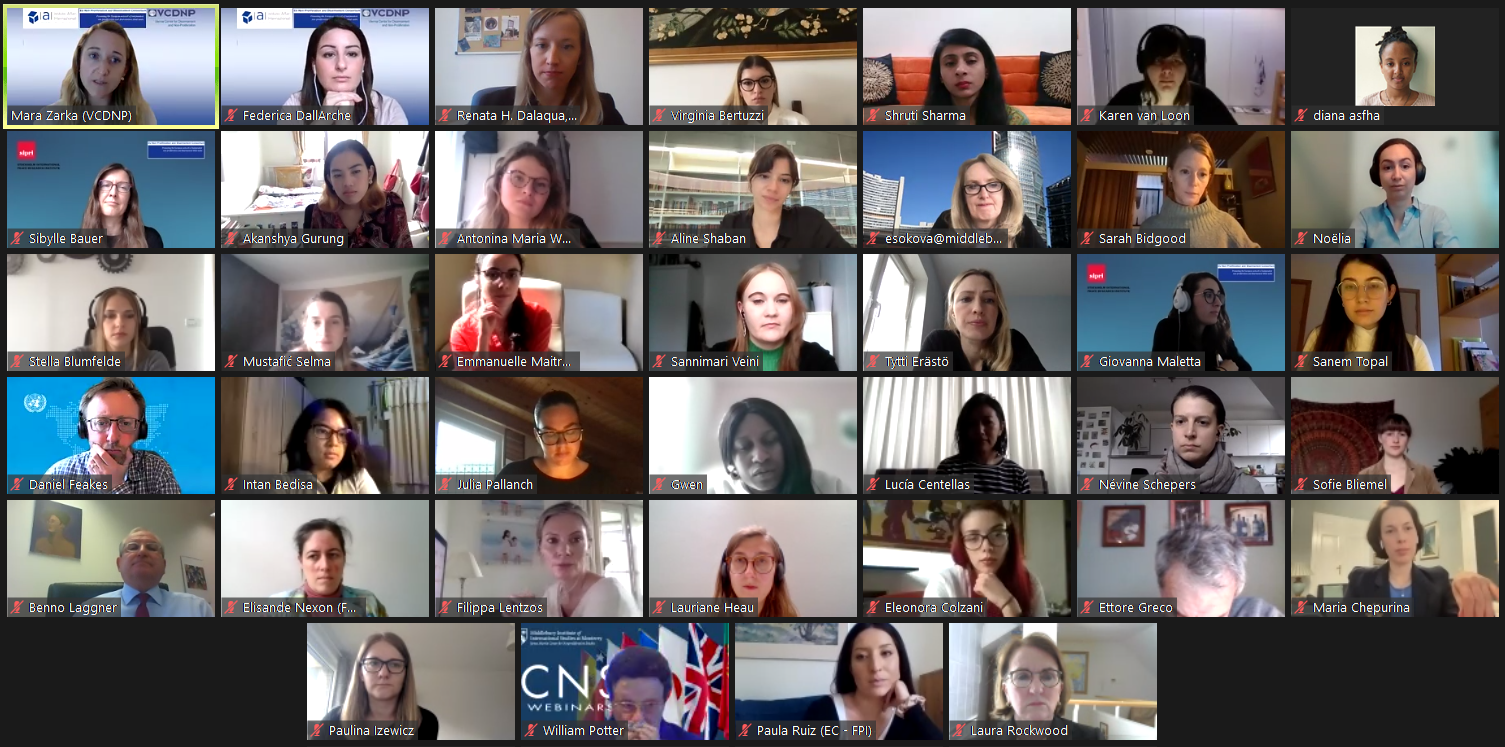
On 2 October 2025, the Vienna Center for Disarmament and Non-Proliferation (VCDNP) and International Student/Young Pugwash (ISYP) held a virtual networking event titled: “Engagement Opportunities in Arms Control, Disarmament and Non-Proliferation for Young Professionals and Students.” The meeting provided key insights and hands-on advice on youth engagement and careers in the arms control, disarmament, and non-proliferation space, and was attended by over 370 students and young professionals worldwide.
Building on the success of similar events held in October of 2022 and October of 2024, the webinar informed participants about youth-led groups and initiatives in the field and offered a platform to connect and network. Participants benefited from presentations by six organizations and their initiatives: The Emerging Voices Network of the British American Security Information Council (BASIC), the Project on Nuclear Issues of the Center for Strategic and International Studies (CSIS), the Younger Generation Leaders Network of the European Leadership Network (ELN), African Young Generation in Nuclear (AYGN), the Youth4Disarmament Initiative of the United Nations Office for Disarmament Affairs (UNODA), and the Comprehensive Nuclear Test Ban Treaty Organization (CTBTO) Youth Group. The organizations shared information about their activities and youth programmes and offered opportunities for learning, research, and engagement on a wide range of issues within the arms control, disarmament, and non-proliferation field.
The event was organised within the framework of the Young Women and Next Generation Initiative (YWNGI), established under the EU Non-Proliferation and Disarmament Consortium (EUNPDC).
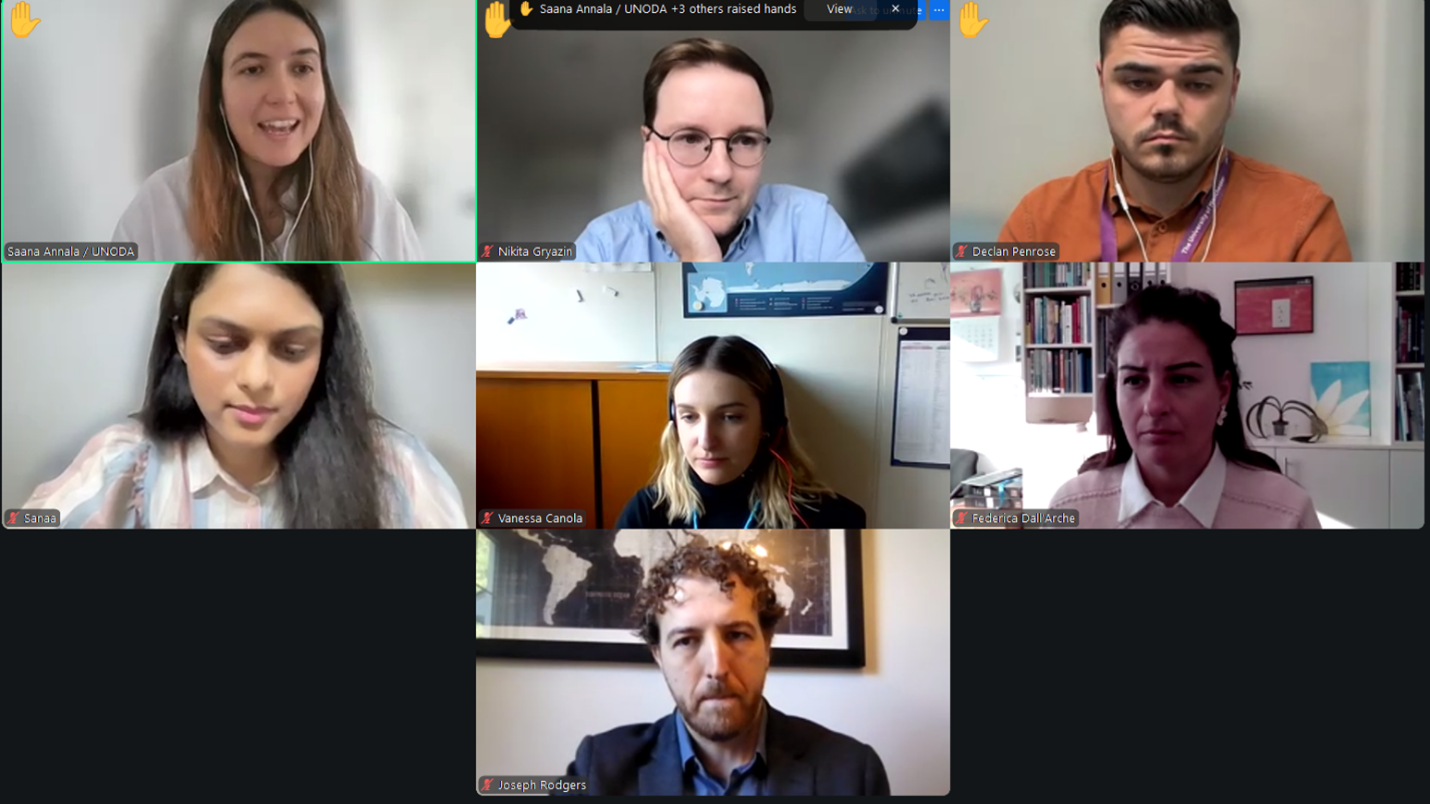
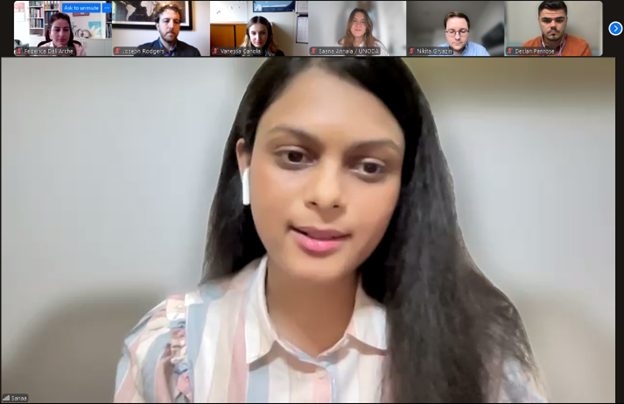
Opening remarks were delivered by Ms. Federica Dall’Arche, Senior Research Associate at the VCDNP, and Ms. Sanaa Alvira, Leadership Team Member at ISYP. Both highlighted the importance of engaging all generations and people with diverse national and cultural backgrounds to promote inclusion and diversity in the arms control, disarmament, and non-proliferation field.
Mr. Nikita Gryazin, Policy Fellow at the European Leadership Network (ELN), presented ELN’s Younger Generation Leaders Network (YGLN), a youth group of over 150 members from more than 40 countries. YGLN holds regular events, including the "YGLN Wednesdays", during which members exchange ideas and connect. YGLN also offers its members the opportunity to publish analyses and commentaries on international affairs and holds annual gatherings for in-person engagement. The network comprises four distinct groups and is led by an executive committee, helping to shape its members into future decision-makers. More information on YGLN and membership is available on the YGLN website.
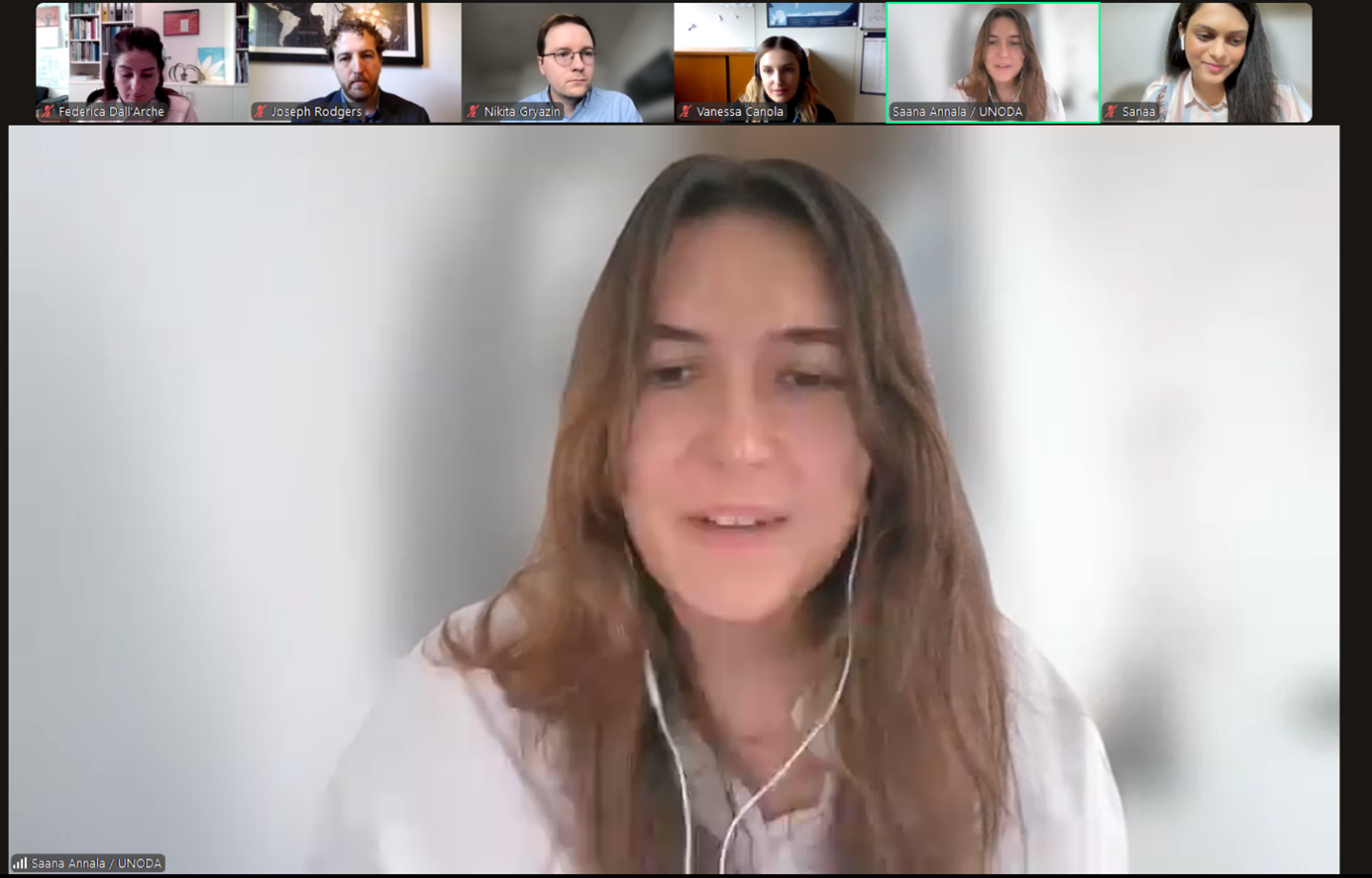
The Youth4Disarmament Initiative, organised by the UN Office for Disarmament Affairs (UNODA), was introduced by Ms. Saana Annala. Ms. Annala provided an overview of the Initiative’s efforts to empower young people, highlighting capacity-building workshops, creative projects, and the "Advocates in Motion (AIM) Campaign" to integrate youth perspectives into global policy-making. The Initiative also includes the Youth Leader Fund, a comprehensive programme running through 2030, featuring online learning modules, a study tour to Hiroshima and Nagasaki, and mentoring and networking activities for young advocates. More information can be found on the Youth4Disarmament website.
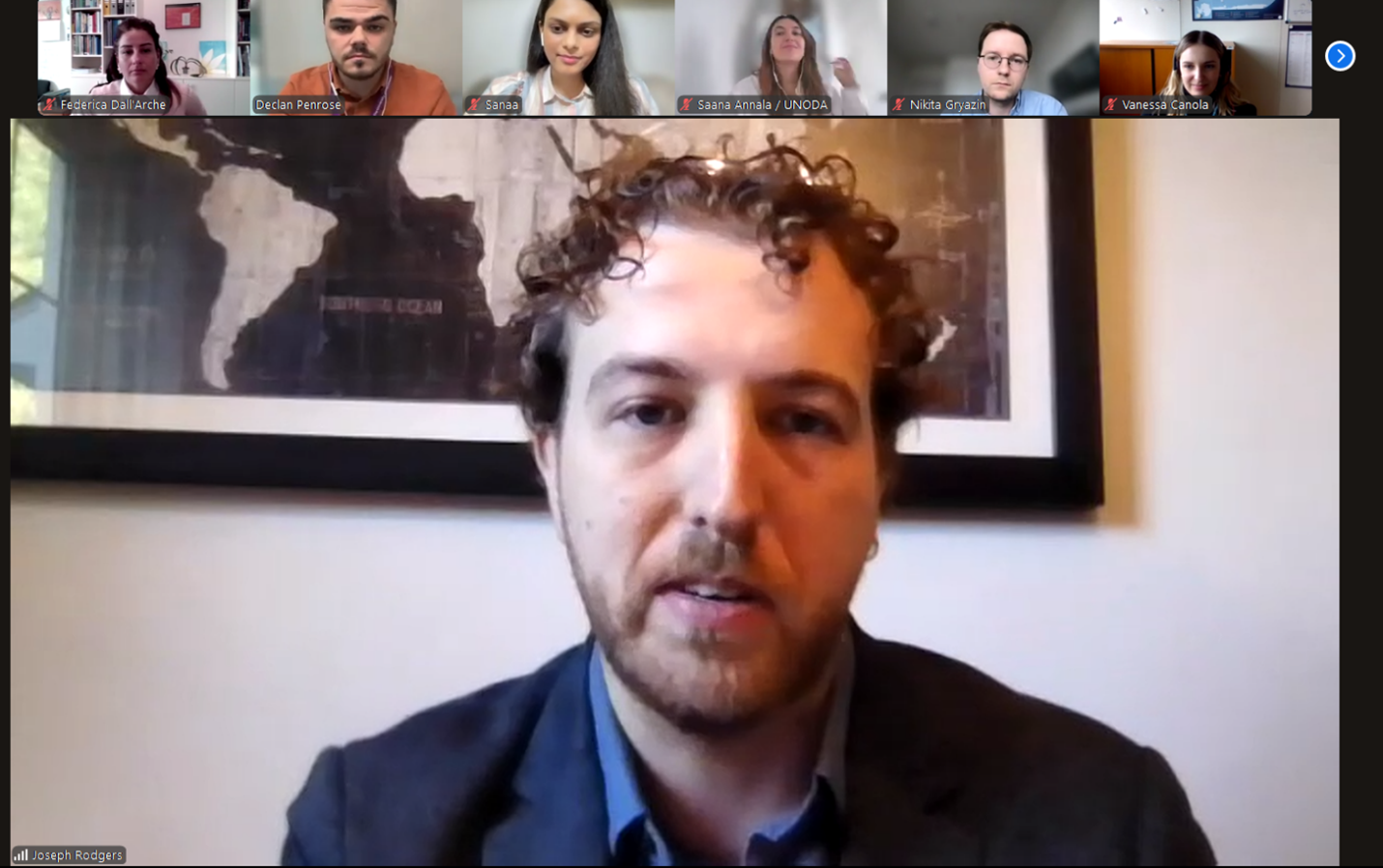
Mr. Joseph Rodgers presented the Project on Nuclear Issues (PONI), a flagship initiative of the Center for Strategic and International Studies (CSIS) aimed at cultivating the next generation of nuclear experts. PONI offers a range of professional development opportunities designed to build expertise, encourage debate, and connect emerging voices with senior leaders in the nuclear field. A key component of the programme is the PONI Nuclear Scholars Initiative, which brings graduate students and early-career professionals to Washington, D.C. for monthly sessions over a six-month period. Participants engage directly with leading policymakers, military officials, and academics on critical nuclear policy issues. Mr. Rodgers also highlighted additional CSIS opportunities, including the Mid-Career Cadre, a leadership development programme for professionals with 5–15 years of experience, and the Future Arms Control Experts Program, which focuses on training the next generation of arms control negotiators and strategists.
More information on how to get involved can be found on the PONI website.
The Emerging Voices Network, introduced by Mr. Declan Penrose, Policy Fellow at the British American Security Information Council (BASIC), is a global digital network of early-career experts and practitioners working across nuclear issues. The network includes master classes and peer-to-peer mentoring programme and it also places strong emphasis on cross-regional and cross-disciplinary collaboration, regularly hosting side events at major international forums, including the NPT Review Conferences. EVN also publishes an annual series of policy papers, developed by working groups of emerging nuclear experts from around the world. More information, including on ways to participate, can be found on the EVN website.
Mr. Rafael Chesori introduced the African Young Generation in Nuclear (AYGN) — a continental association uniting Young Generation Networks (YGNs) across Africa. AYGN takes a development-first approach to nuclear energy and non proliferation, centring its work on capacity building, outreach, policy engagement, and creating knowledge transfer platforms that bridge experienced professionals and rising experts. Mr. Chesori also spotlighted the upcoming African Youth Conference, which Nigeria will host in late November 2025 under the theme “From Atom to Impact.” More information about AYGN’s mission, activities, chapters, and how to engage, are available on the AYGN website.
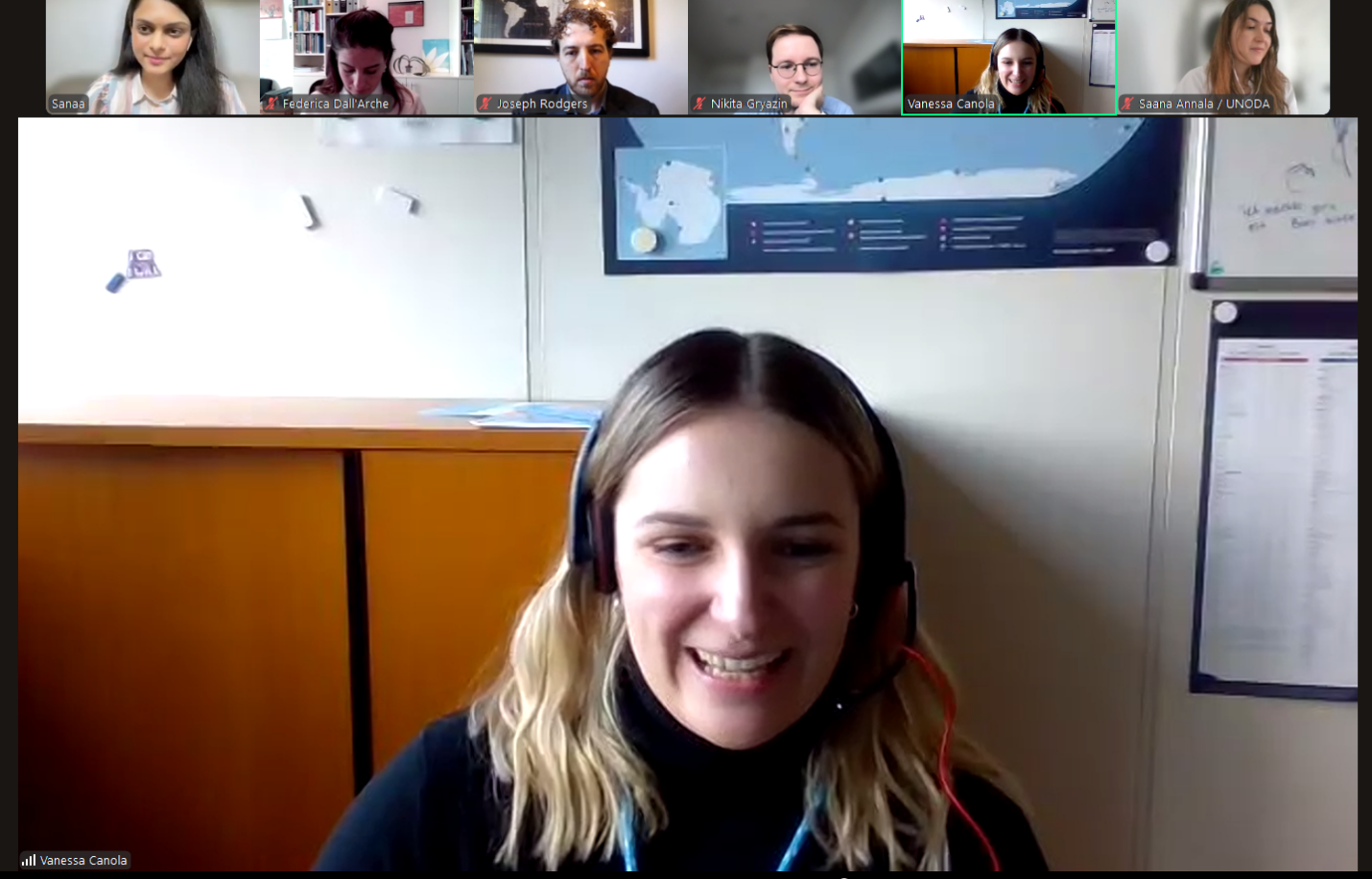
Ms. Vanessa Canola, Assistant External Relations Officer at the CTBTO, presented the CTBTO Youth Group (CYG) - a global network of students and young professionals dedicated to promoting the Comprehensive Nuclear-Test-Ban Treaty (CTBT) and supporting its ratification. The group offers a dynamic platform for youth engagement in nuclear disarmament and non-proliferation through training opportunities, research projects, expert mentoring, and participation in high-level events and conferences. Ms. Canola also shared advice for young people seeking to enter the nuclear field, encouraging them to explore CTBT-related resources, get involved in CYG activities, and build networks across disciplines and regions. More information, including how to join, is available at the CTBTO Youth Group website.
Panellists also shared their personal experiences and career paths, offering candid reflections on how they entered and navigated the nuclear field. They highlighted both the challenges and the rewards of working in this complex and evolving area, providing valuable context for those at the start of their professional journeys.
The lively discussion that followed touched on a range of important topics, including work-life balance, the competitiveness of entering the nuclear sector, gender and geographical barriers, and practical advice for accessing opportunities beyond traditional internships. The rich exchange of perspectives offered concrete insights and encouragement for young professionals aiming to make a meaningful contribution to global peace and security.
The VCDNP warmly thanks ISYP and all representatives of the various initiatives for their fruitful cooperation and for helping to foster such an engaging and inspiring dialogue.
The event was made possible thanks to the generous support of the European Union.