


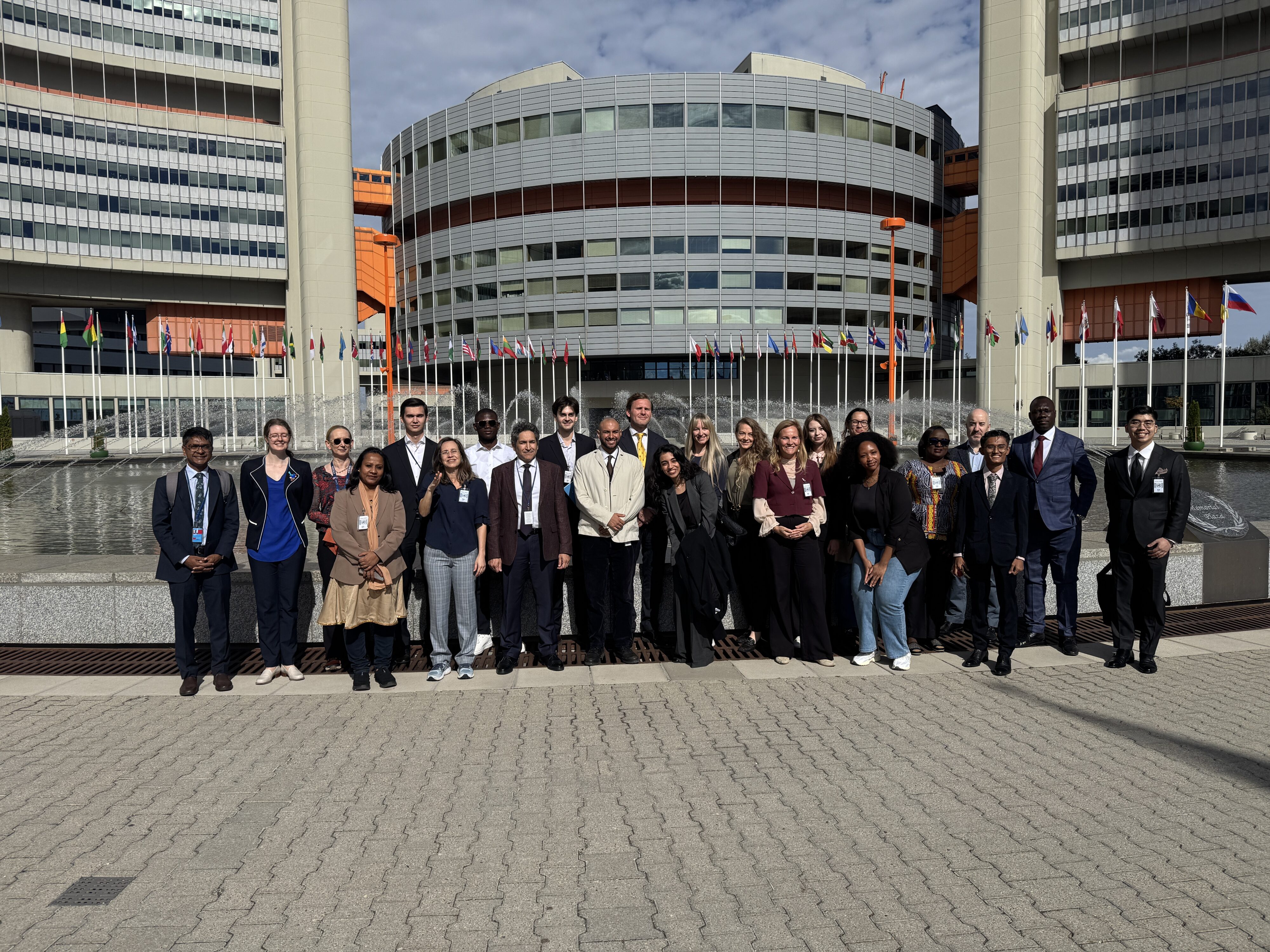
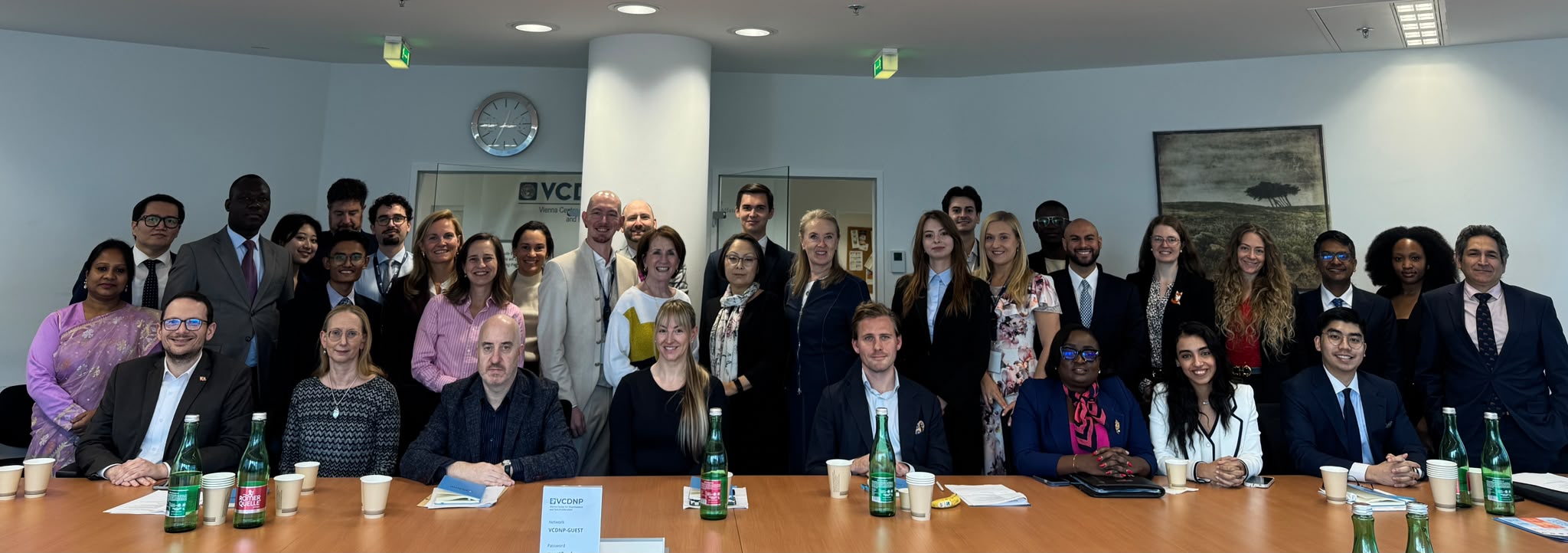
The VCDNP conducted its 32nd intensive short course on nuclear non-proliferation and disarmament from 21 to 25 September 2026, providing training for 24 diplomats and practitioners from 21 countries across different regions of the world.

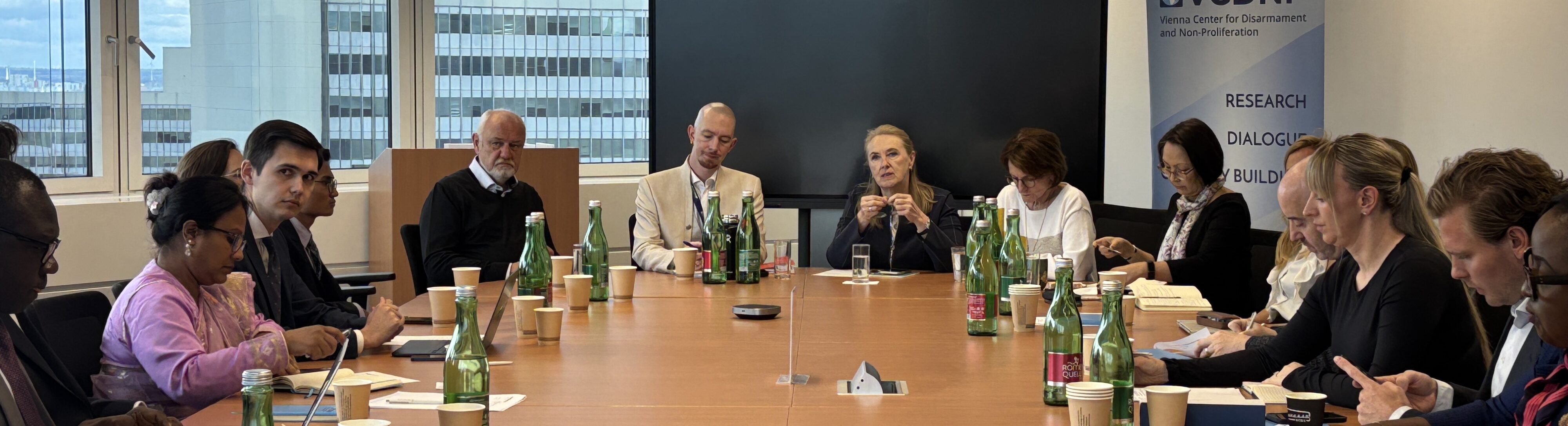
Throughout the five-day programme, participants engaged with experts through seminars and briefings, panel discussions, and on-site visits that covered a wide range of nuclear-related subjects. The course sessions were led by VCDNP experts and guest speakers, including, inter alia:
- An introduction to Nuclear Energy and the Fuel Cycle by Dr. Marc Humphrey (IAEA);
- The Treaty on the Non-Proliferation of Nuclear Weapons (NPT) by Gaukhar Mukhatzhanova, Japan Chair for a World without Nuclear Weapons;
- A discussion on nuclear security by Executive Director Elena K. Sokova;
- A review of nuclear safeguards with Senior Fellow Laura Rockwood;
- A set of case studies in nuclear verification by Dr. Jacques Baute (IAEA, ret.); and
- Discussions of nuclear arms control by Senior Fellow Dr. Nikolai Sokov.

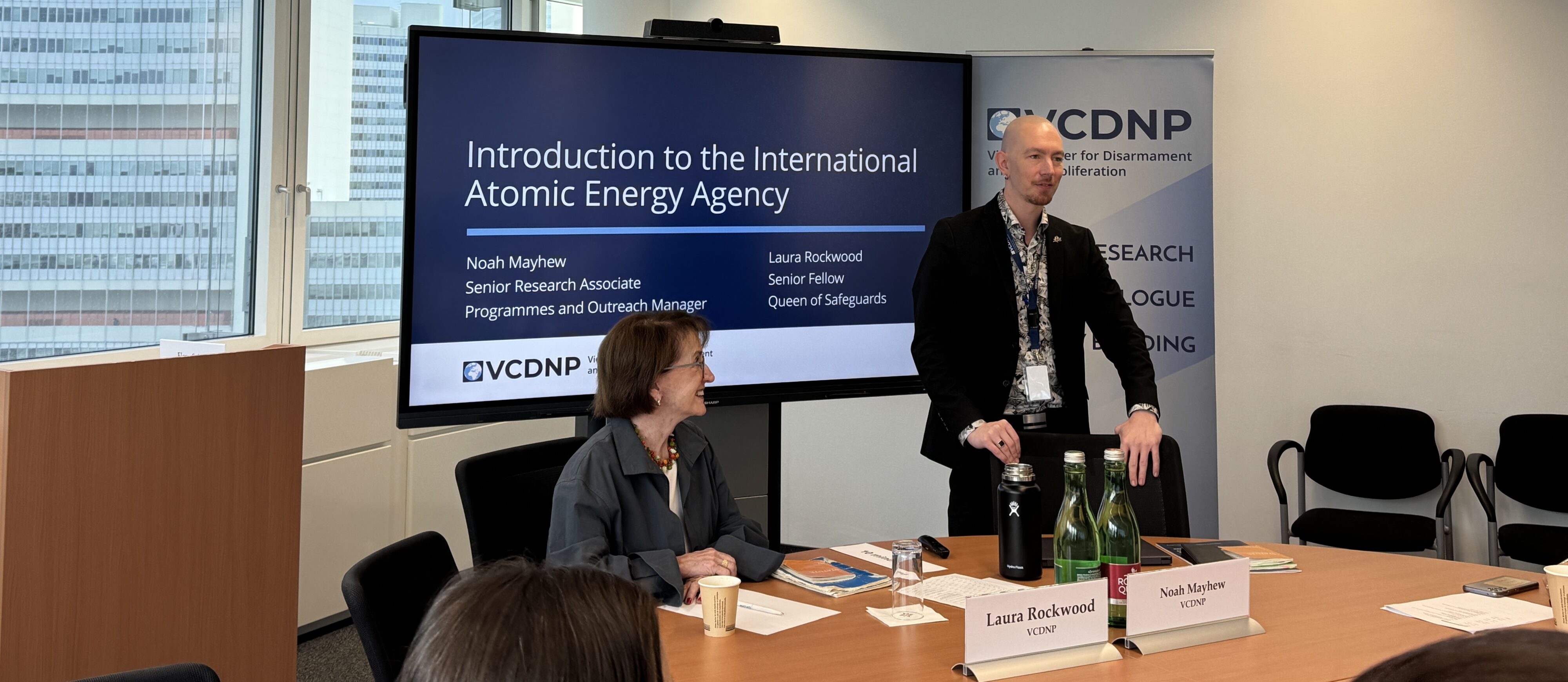
Course participants also had the opportunity to visit the Comprehensive Nuclear-Test-Ban Treaty Organization (CTBTO) and the International Atomic Energy Agency (IAEA), where they gained insights into the work of both organisations, including the CTBTO’s International Monitoring System (IMS) and the IAEA’s Incident and Emergency Response Centre.

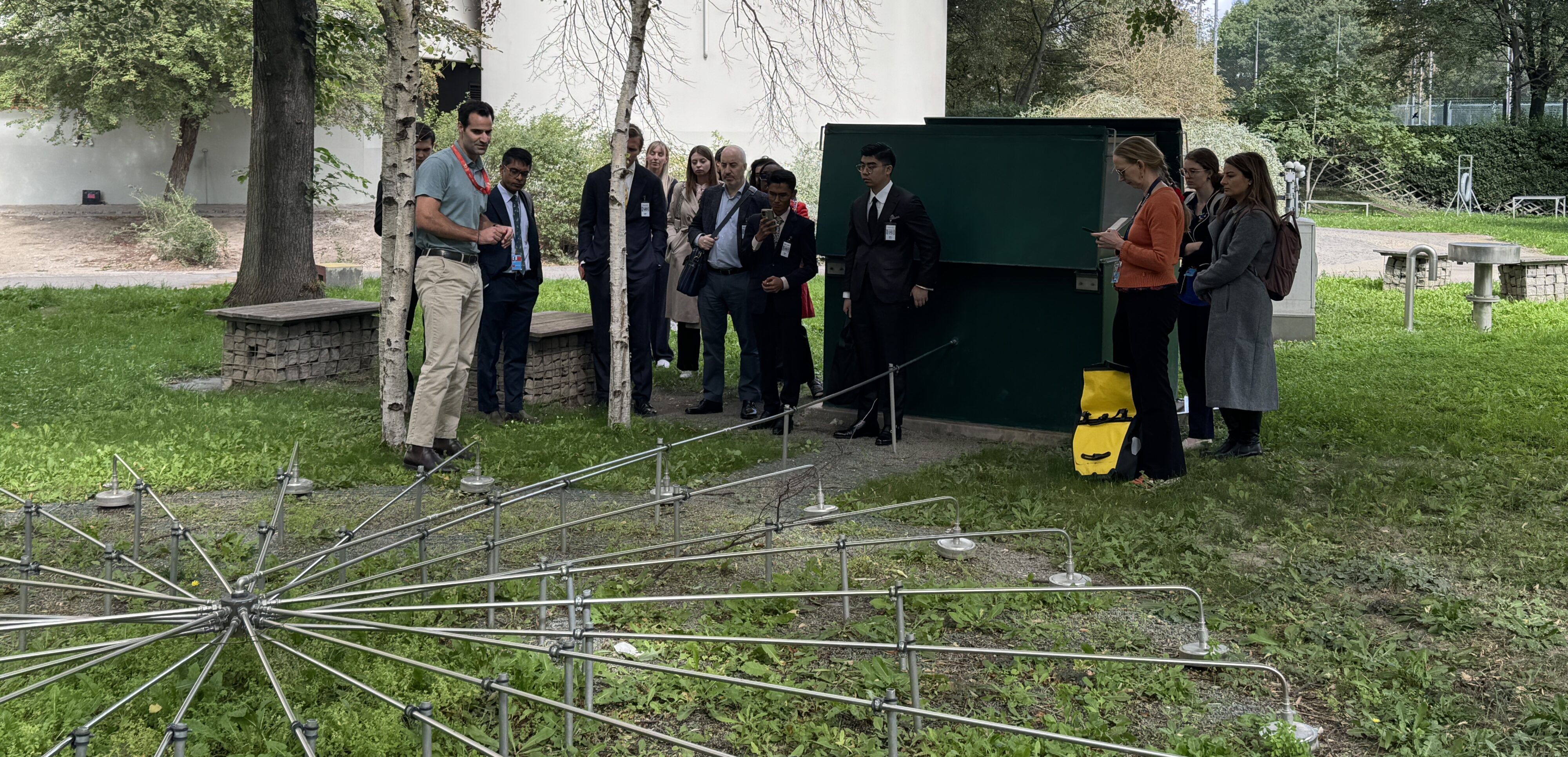
The course also featured two panel discussions addressing issues of timely international relevance.
The CTBT at 30: Current Status and Priorities for the Treaty
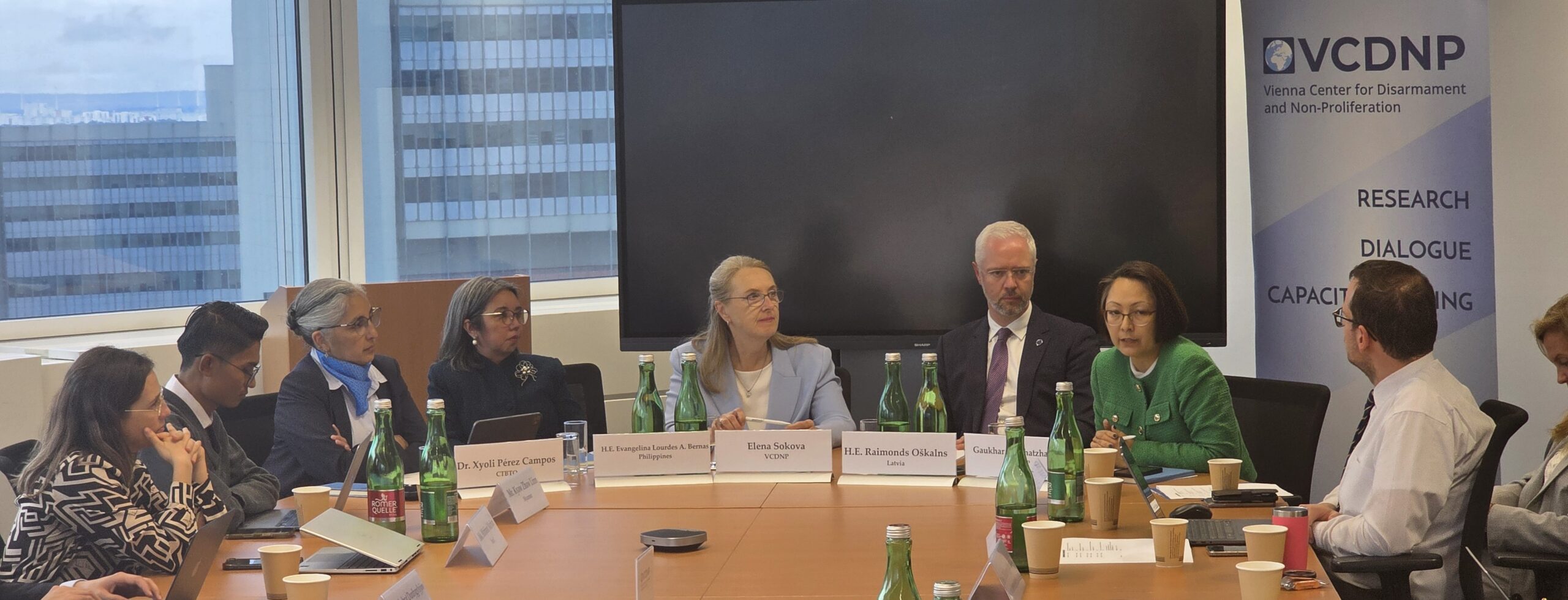
The VCDNP convened a high‑level panel discussion to commemorate the 30th anniversary of the Comprehensive Nuclear‑Test‑Ban Treaty (CTBT) opening for signature. The panel discussion featured:
- Dr. Xyoli Pérez Campos, IMS Director, CTBTO;
- Ambassador Raimonds Oškalns, Chairperson of the CTBTO Preparatory Commission and Ambassador; Permanent Representative, Permanent Mission of Latvia to the UN, OSCE and other International Organizations in Vienna;
- Ambassador Evangelina Lourdes A. Bernas, Co-President of the Article XIV process on entry into force until 2027; Ambassador Extraordinary and Plenipotentiary & Permanent Representative, Philippine Embassy & Permanent Mission to the United Nations and other International Organizations in Vienna; and
- Gaukhar Mukhatzhanova, VCDNP.
Elena Sokova moderated the discussion.
The speakers noted that the CTBT has helped establish a strong norm against nuclear testing, even short of its entry into force and despite challenges to its universalisation. The speakers observed that even Statesthat have not signed the Treaty have refrained from conducting nuclear tests and emphasised that reinforcing this norm should be a central objective for the international community.
The speakers also highlighted the importance of the IMS, underscoring that it not only serves verification purposes but also provides valuable scientific data to countries and research institutions. They stressed that the CTBTO fosters a high degree of coordination between policymakers and scientists in pursuit of a world free of nuclear testing.
Looking ahead to the next 30 years, the panel underscored the need to ensure that verification remains credible, that technologies continue to be updated, and that States feel ownership of—and responsibility for—maintaining the norm against nuclear testing and the CTBTO’s verification capabilities.

Prospects for the 2026 TPNW Review Conference
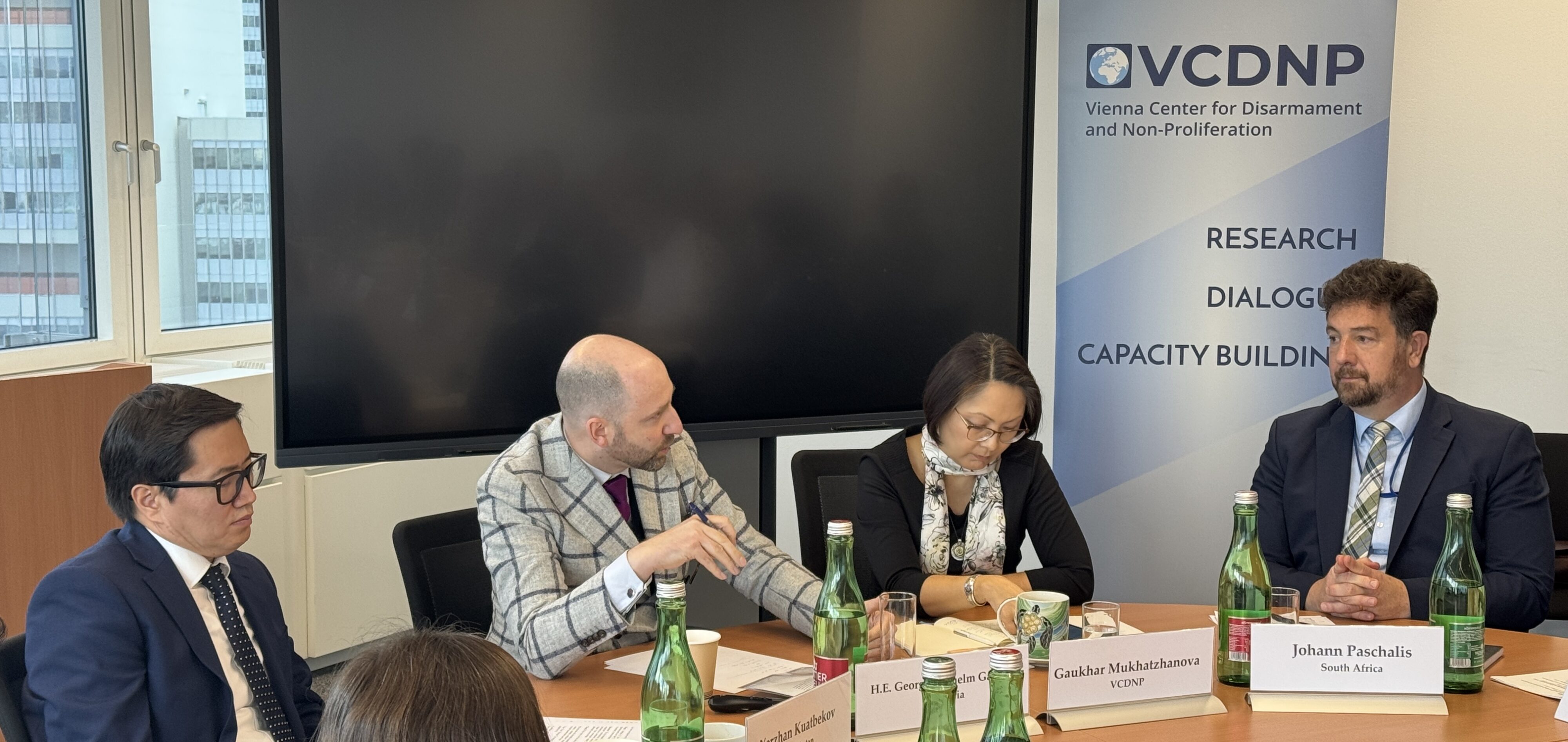
In light of the upcoming Review Conference of the Treaty on the Prohibition of Nuclear Weapons (TPNW), the VCDNP also hosted a panel discussion on “Prospects for the 2026 TPNW Review Conference” withAmbassador George‑Wilhelm Gallhofer (Austria); Yerzhan Kuatbekov (Kazakhstan), and Johann Paschalis (South Africa). Gaukhar Mukhatzhanova moderated the discussion.
The speakers discussed priorities for the review conference, emphasising the need to review the implementation of the Vienna Action Plan and lay the groundwork for further implementation of the Treaty. They underscored the role of science in guiding the negotiation and implementation of the Treaty. In this regard, they discussed the work of the Scientific Advisory Group and the challenge of ensuring its long-term sustainability.
The panel provided an update on the discussions regarding the establishment of an International Trust Fund for victim assistance and environmental remediation. It was stressed that such mechanism must be guided by a clear understanding of impacted communities, including their medical needs and the technical support required for remediation efforts.
Addressing universalisation as a key priority, the speakers discussed the importance of both increasing the number of States parties to the Treaty and the global understanding of the logic underpinning the TPNW, including the humanitarian consequences of nuclear weapons and associated security concerns of non-nuclear-armed countries.

At the end of the course, participants filled out anonymous evaluation surveys to provide feedback on the programme and organisation. One hundred percent of the participants rated the course either “excellent” or “very good” overall, as well as the course’s contribution of the participants’ knowledge of international nuclear non-proliferation and disarmament issues specifically.

The VCDNP extends its gratitude to the Andrew Carnegie Foundation, the Ministry of Foreign Affairs of the Netherlands and the Federal Ministry for European and International Affairs of Austria for their generous support of its capacity-building and training activities.