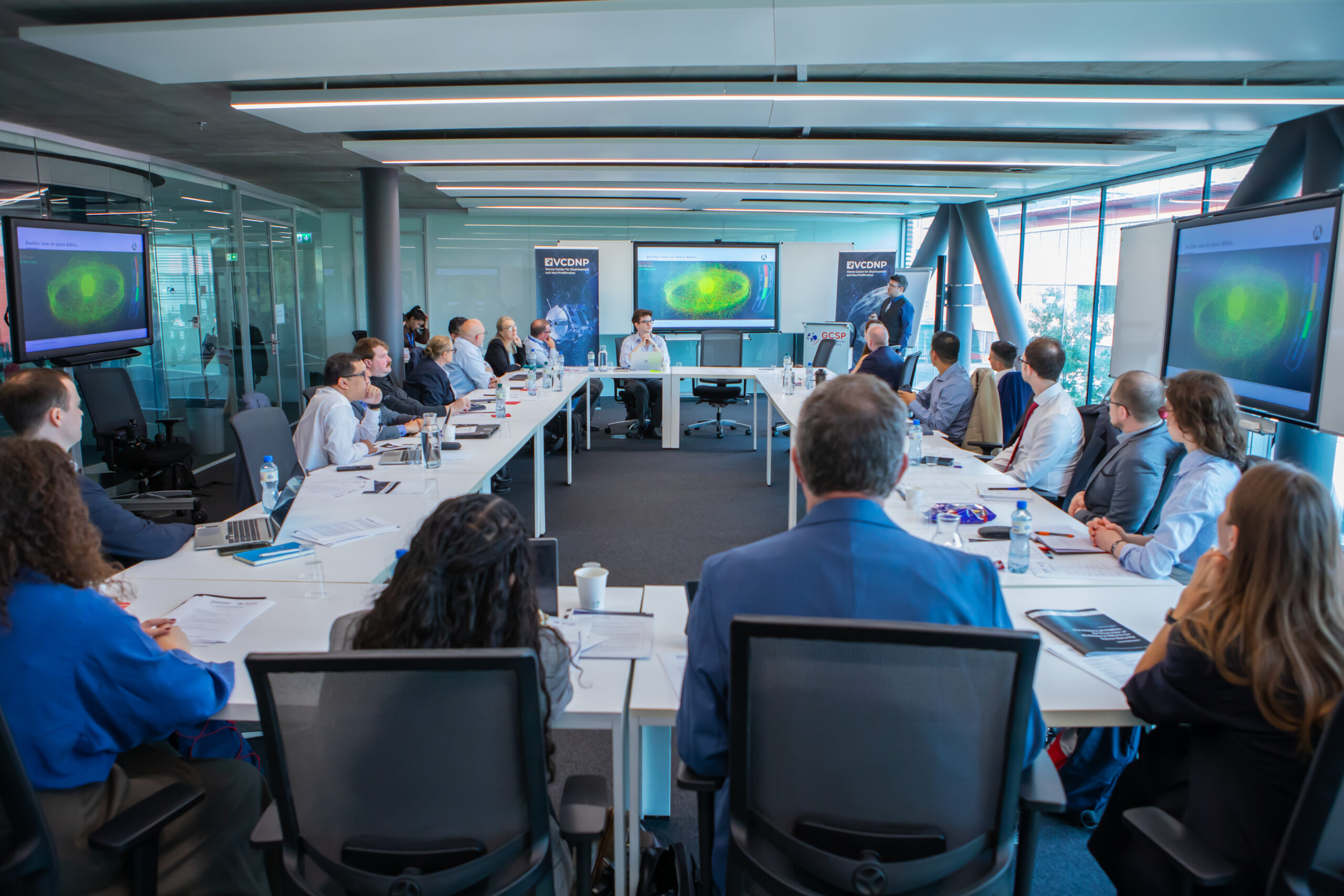
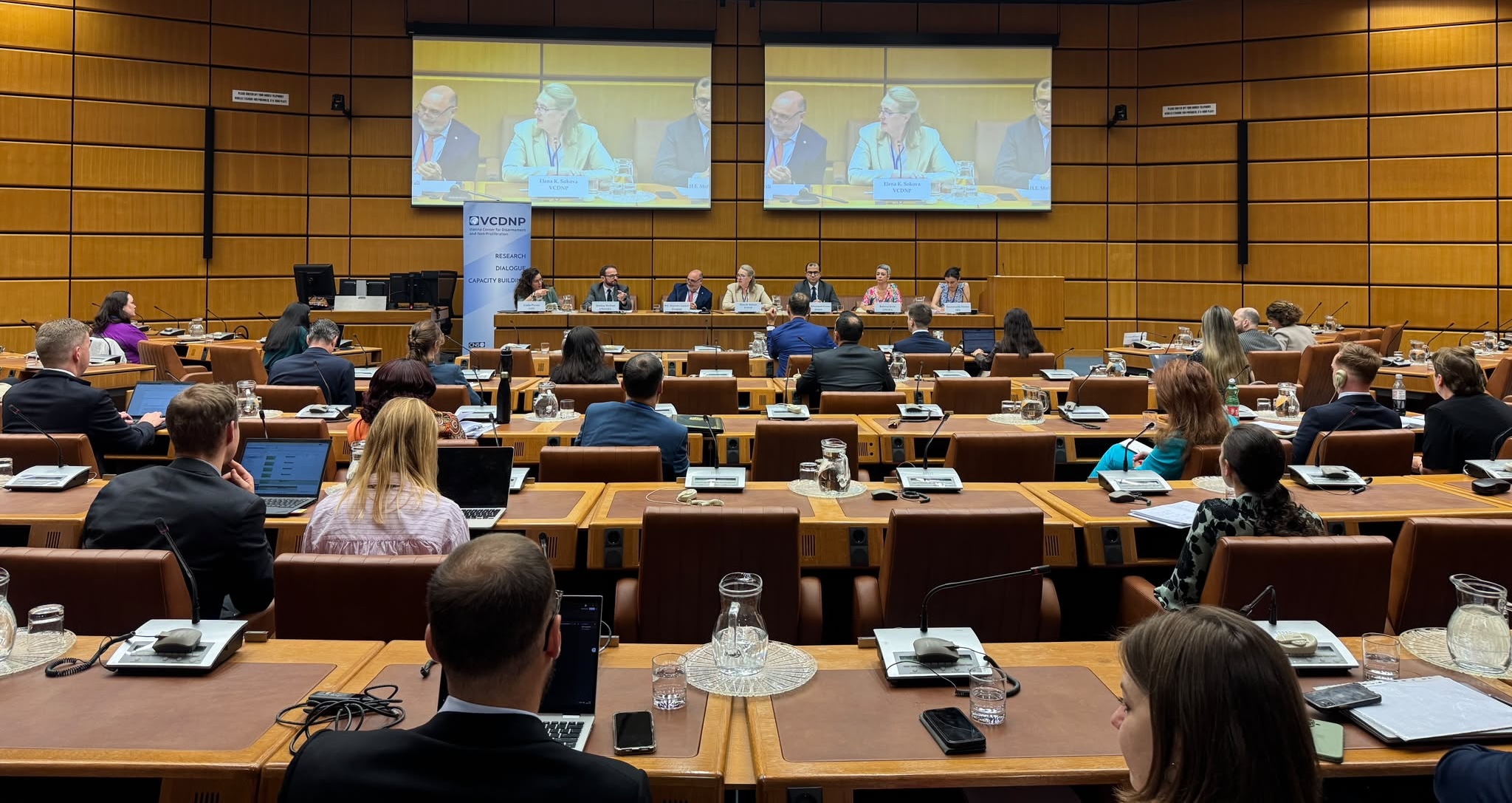
The VCDNP convened experts from space commands, ministries of foreign affairs, and the space industry for an intensive three-day workshop in Geneva to address the threats posed by uncooperative rendezvous and proximity operations in space.
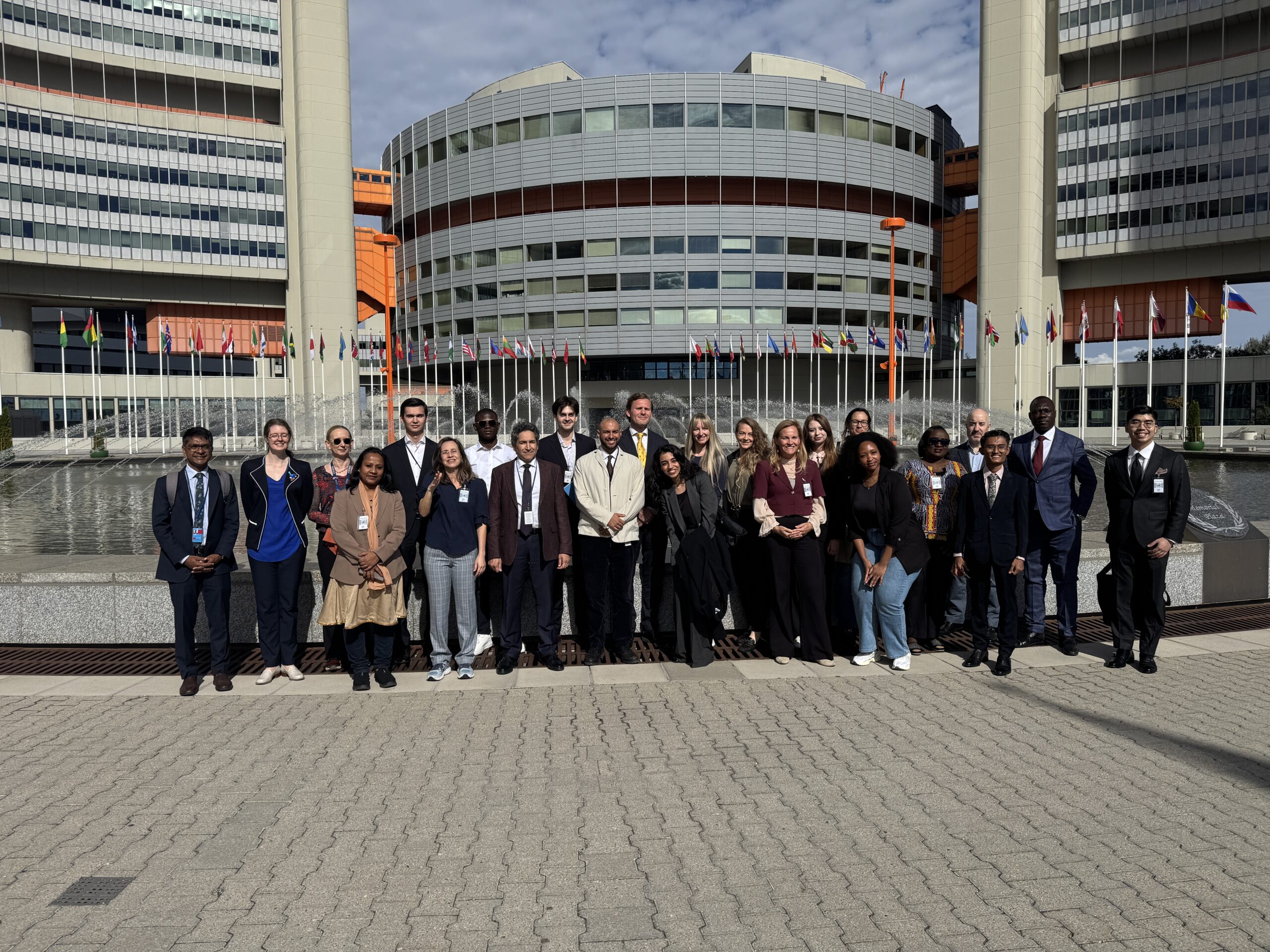
The VCDNP conducted its 32nd intensive short course on nuclear non-proliferation and disarmament, training 24 diplomats, officials, and other practitioners from 21 countries.
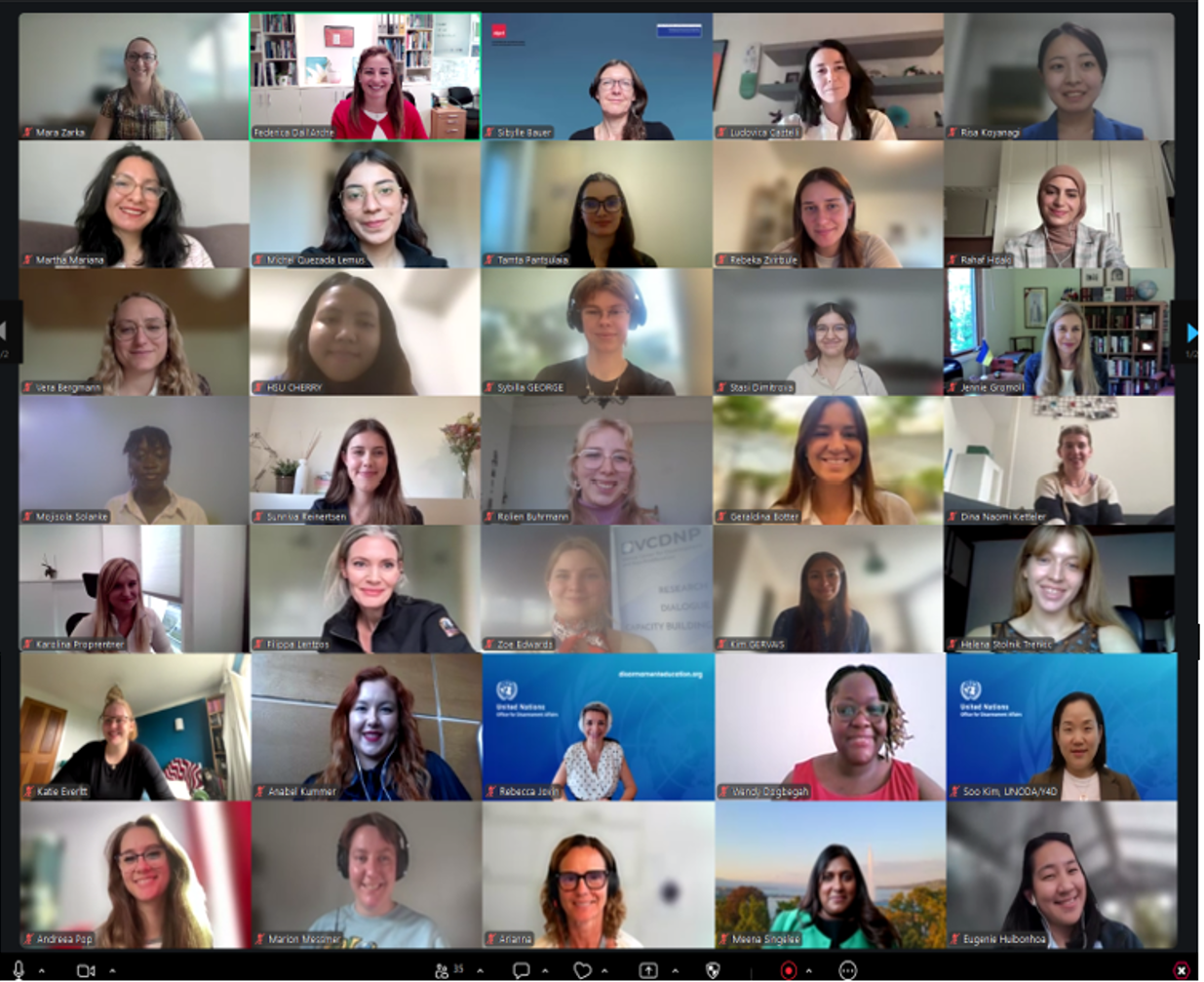
The VCDNP launched the 2026-2027 edition of the Young Women in Non-Proliferation and Disarmament (YWNPD) Mentorship Programme, an activity of the Young Women and Next Generation Initiative (YWNGI) established by the VCDNP in 2021 on behalf of the EU Non-Proliferation and Disarmament Consortium (EUNPDC).
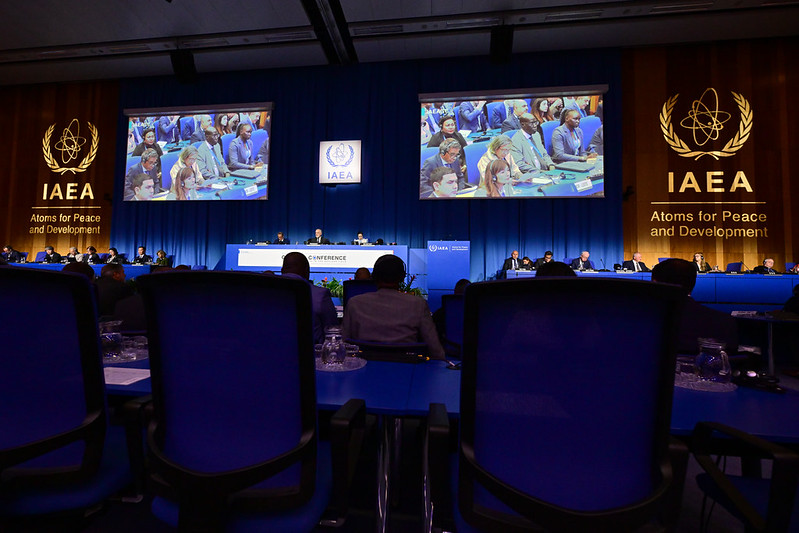
A commentary by VCDNP’s Noah Mayhew traces the growing tensions at the IAEA’s General Conference and difficulties in maintaining consensus decision-making.
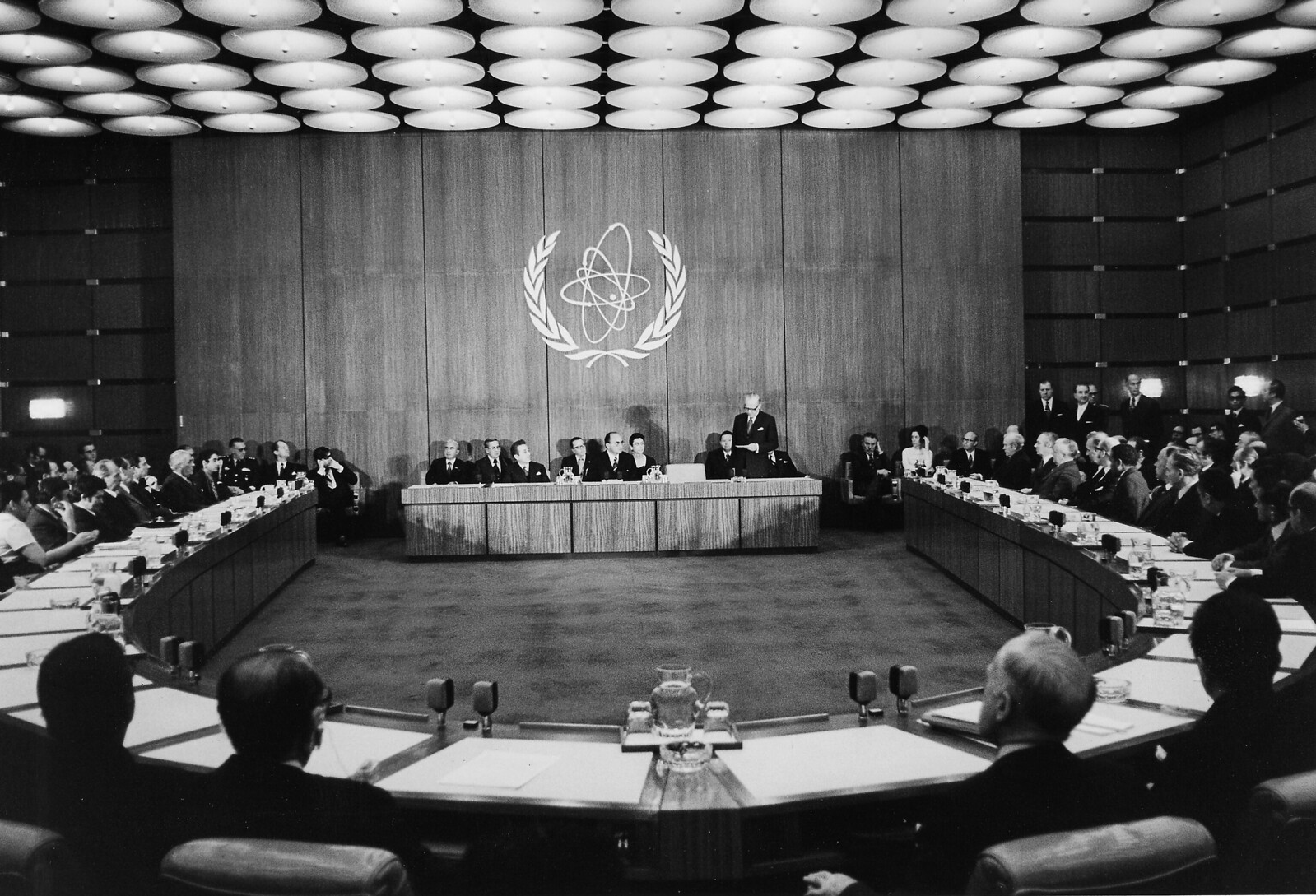
A study by Senior Research Associate and Programmes and Outreach Manager Noah Mayhew traces seven decades of negotiations on the composition of the IAEA Board of Governors, drawing on extensive archival research.
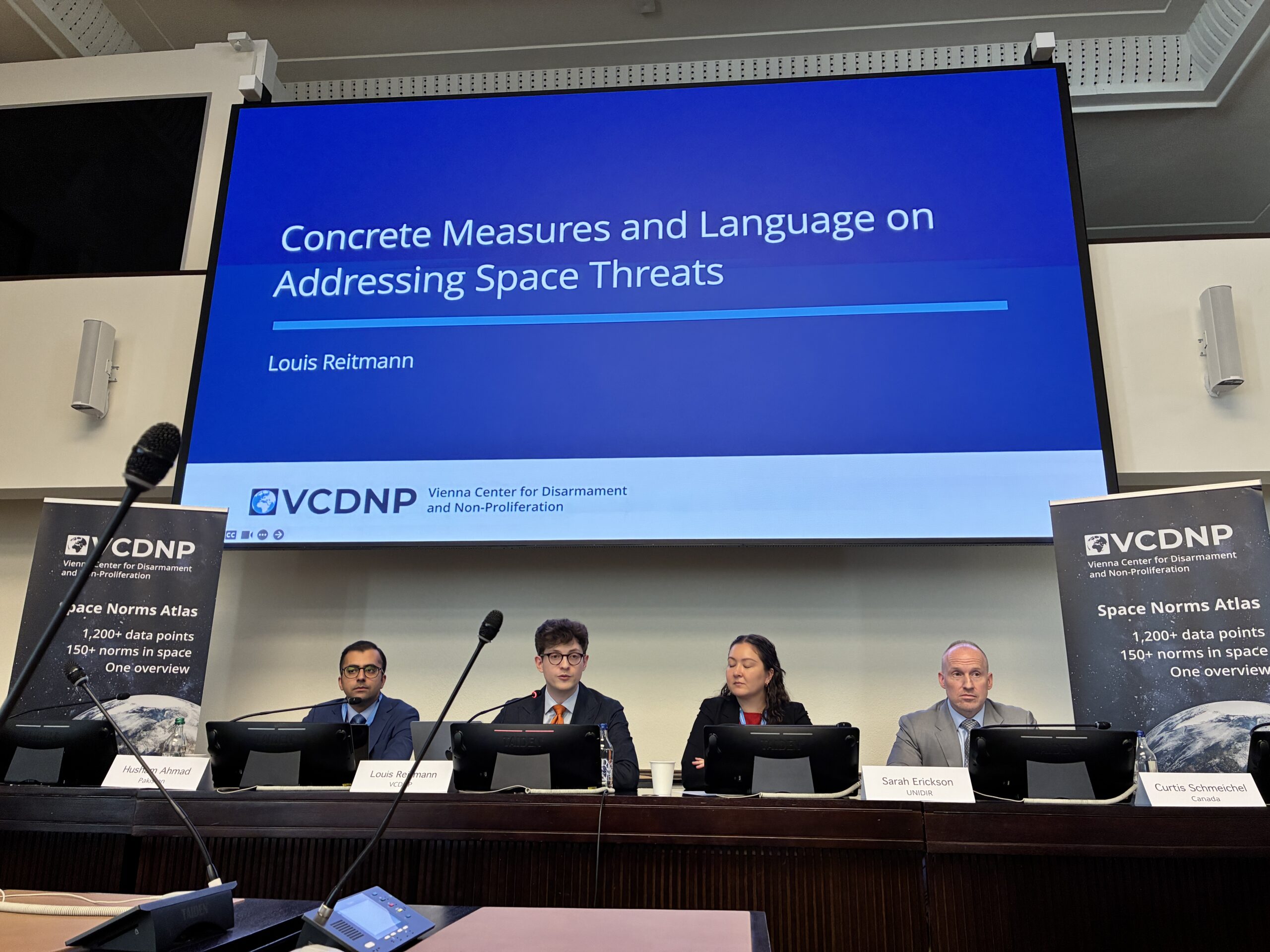
The VCDNP presented proposals for concrete measures and language on space security during the Third Session of the OEWG on the Prevention of an Arms Race in Outer Space in All its Aspects to promote the early pursuit of substantive outcomes.
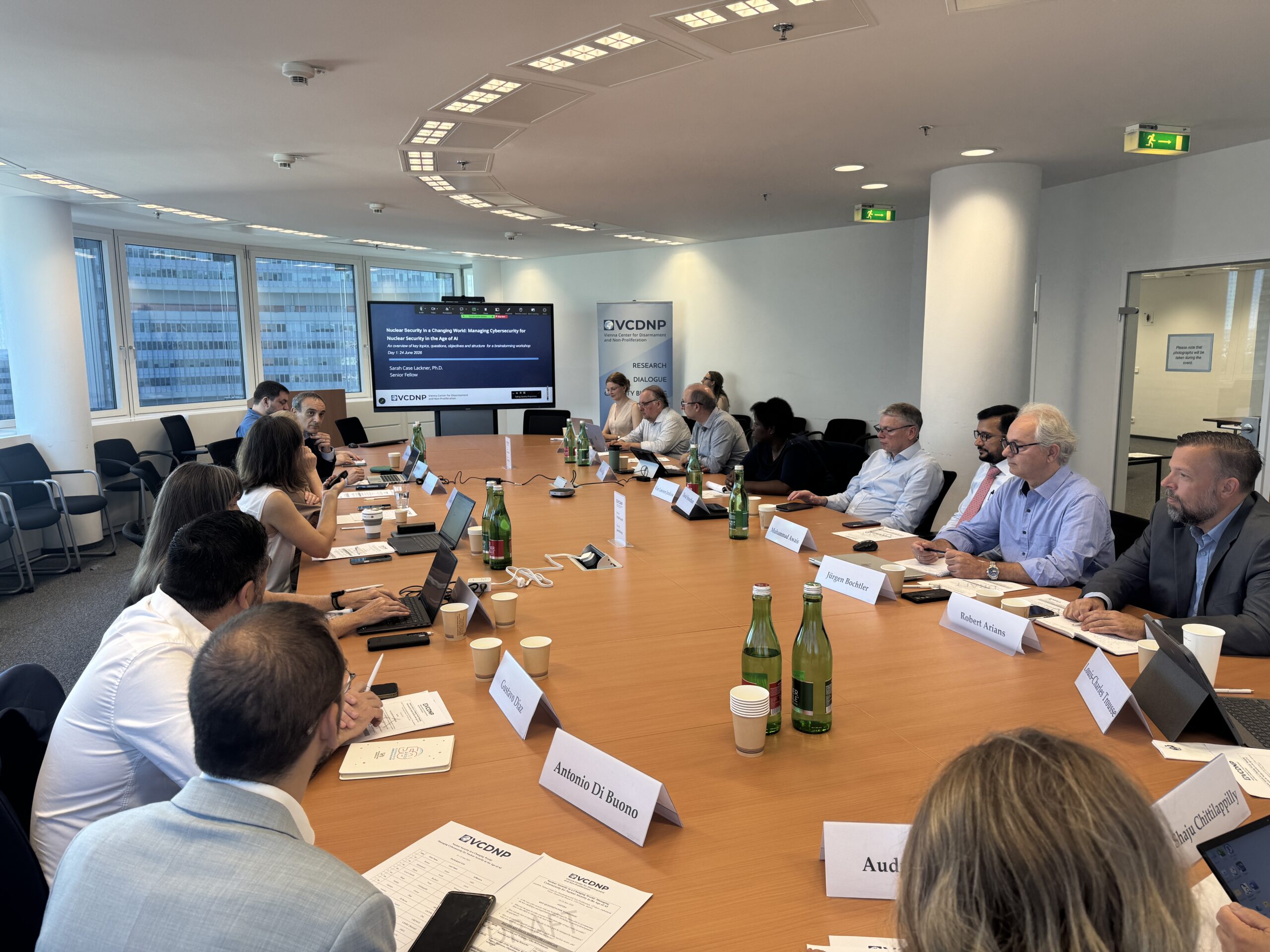
AI is changing the cybersecurity landscape faster than traditional regulatory approaches in the nuclear industry can keep pace. The VCDNP brought together experts from industry, national regulators, and international organisations to examine what this means for nuclear security and what regulators and operators need to do about it.
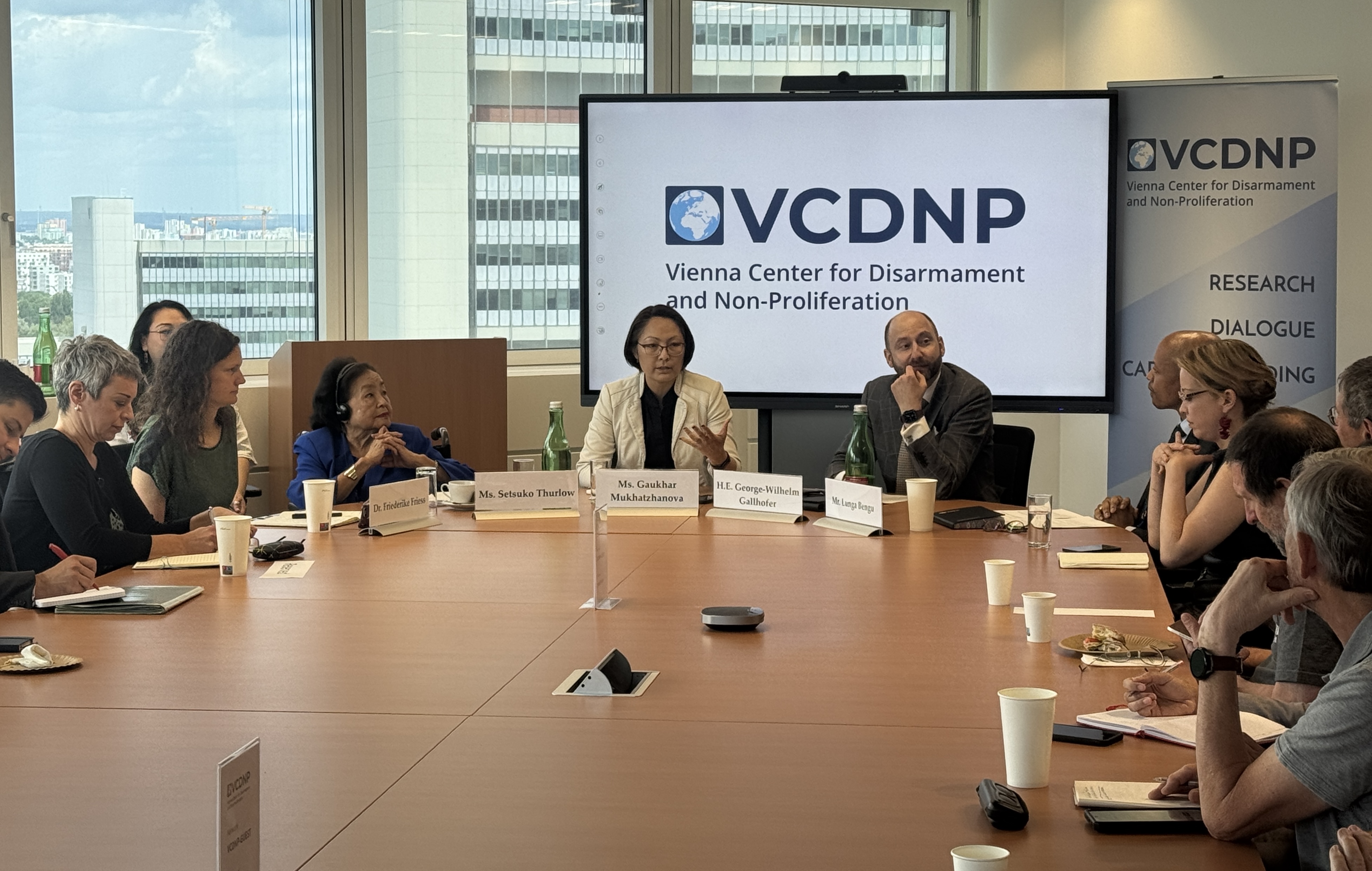
The VCDNP hosted a panel discussion featuring Hibakusha Setsuko Thurlow and addressing priorities and expectations for the first Review Conference of the Treaty on the Prohibition of Nuclear Weapons (TPNW).
The VCDNP co-hosted a side event on the Hague Code of Conduct against Ballistic Missile Proliferation (HCoC), exploring the opportunities and concerns in the evolving space environment.
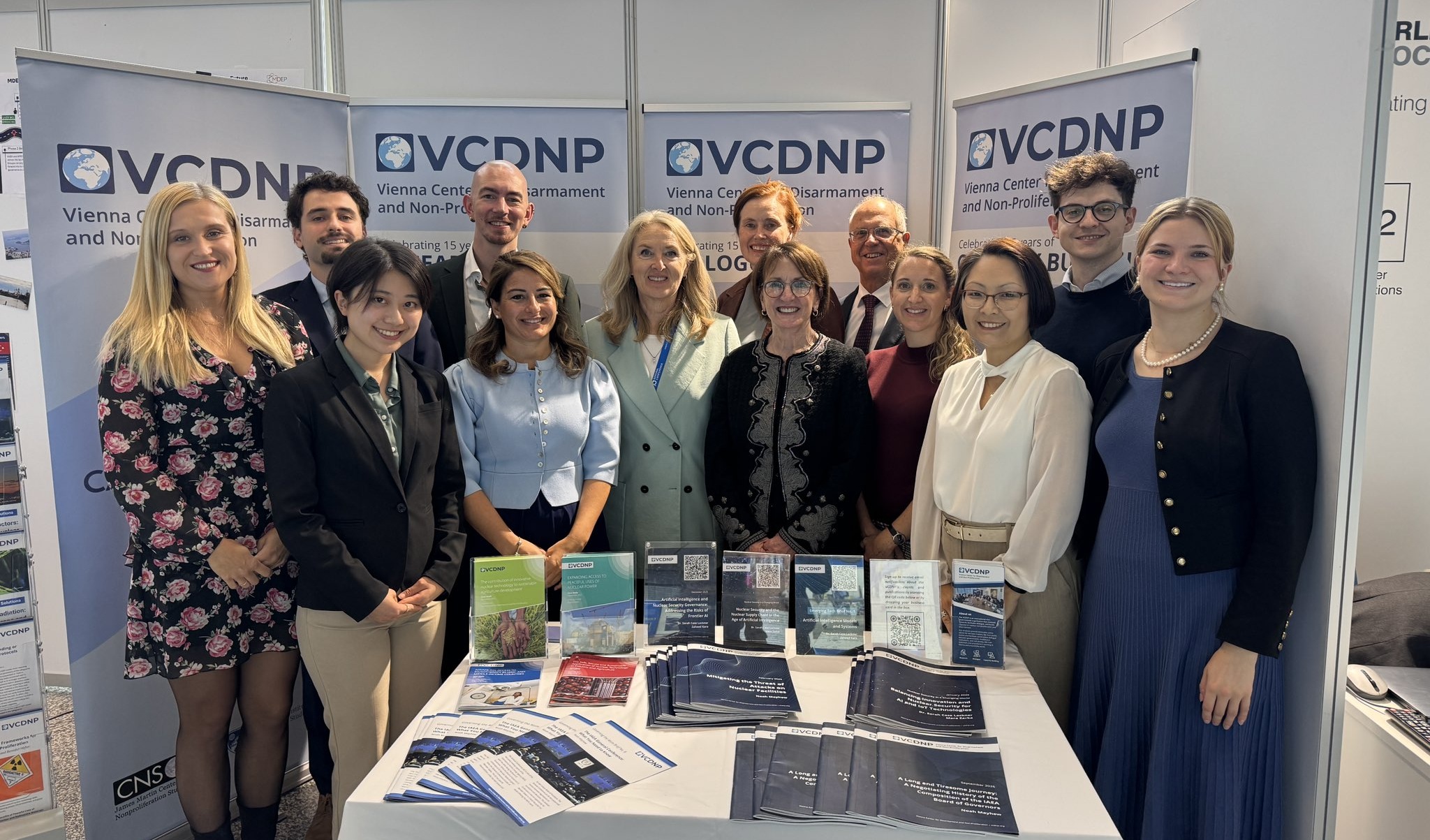
On 10 March 2026, the VCDNP marked its 15th anniversary with convening a high-level dialogue meeting and was honored to be the focus of a reception at the Federal Ministry of International and European Relations of Austria.
To provide the best experiences, we use technologies like cookies to store and/or access device information. Consenting to these technologies will allow us to process data such as browsing behavior or unique IDs on this site. Not consenting or withdrawing consent, may adversely affect certain features and functions.
Functional Always active
The technical storage or access is strictly necessary for the legitimate purpose of enabling the use of a specific service explicitly requested by the subscriber or user, or for the sole purpose of carrying out the transmission of a communication over an electronic communications network.
Preferences
The technical storage or access is necessary for the legitimate purpose of storing preferences that are not requested by the subscriber or user.
Statistics
The technical storage or access that is used exclusively for statistical purposes.The technical storage or access that is used exclusively for anonymous statistical purposes. Without a subpoena, voluntary compliance on the part of your Internet Service Provider, or additional records from a third party, information stored or retrieved for this purpose alone cannot usually be used to identify you.
Marketing
The technical storage or access is required to create user profiles to send advertising, or to track the user on a website or across several websites for similar marketing purposes.