

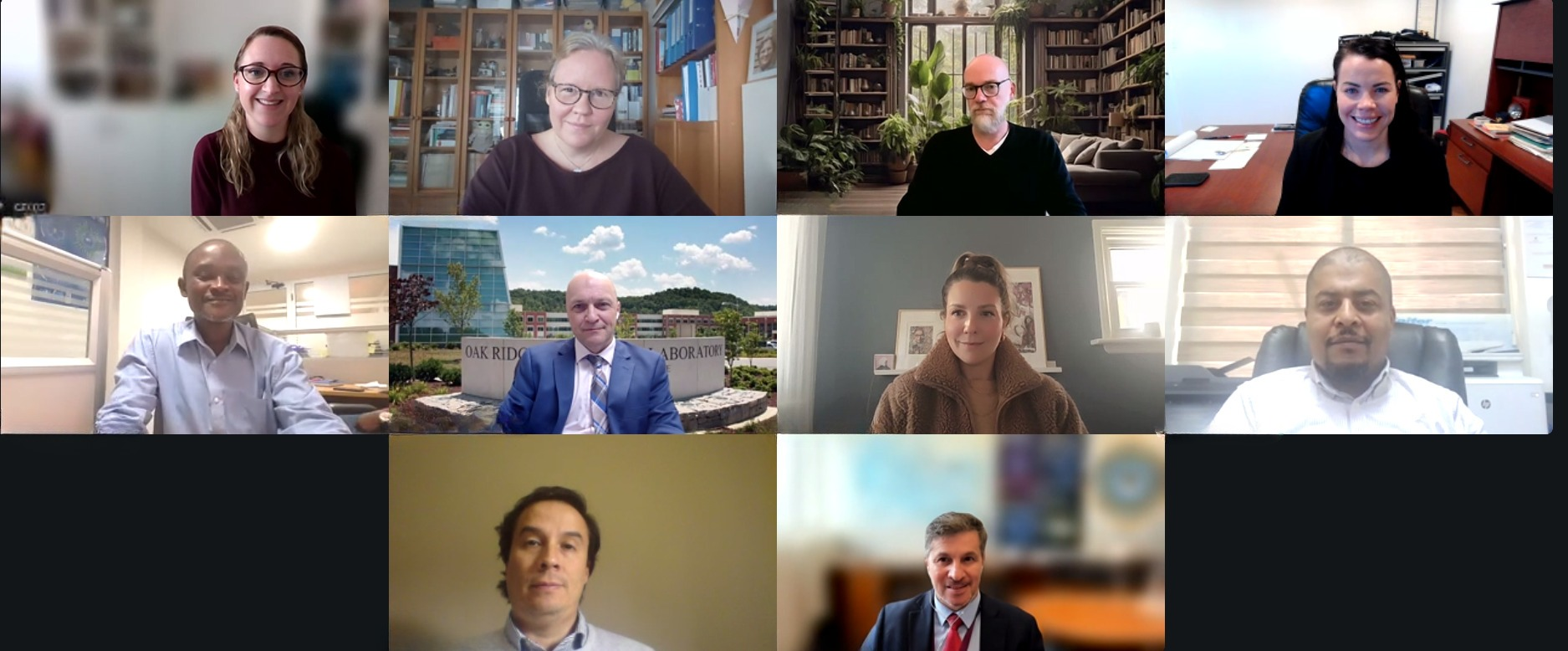
On 15 October 2026, the Vienna Center for Disarmament and Non-Proliferation (VCDNP) hosted a virtual workshop entitled “Nuclear Security in a Changing World: The Human Element in the Age of AI and Implications for Nuclear Security”. The workshop brought together experts to explore the intersection of human factors, artificial intelligence (AI), and nuclear security, and to identify potential directions for further research. The workshop was held under the Chatham House Rule.

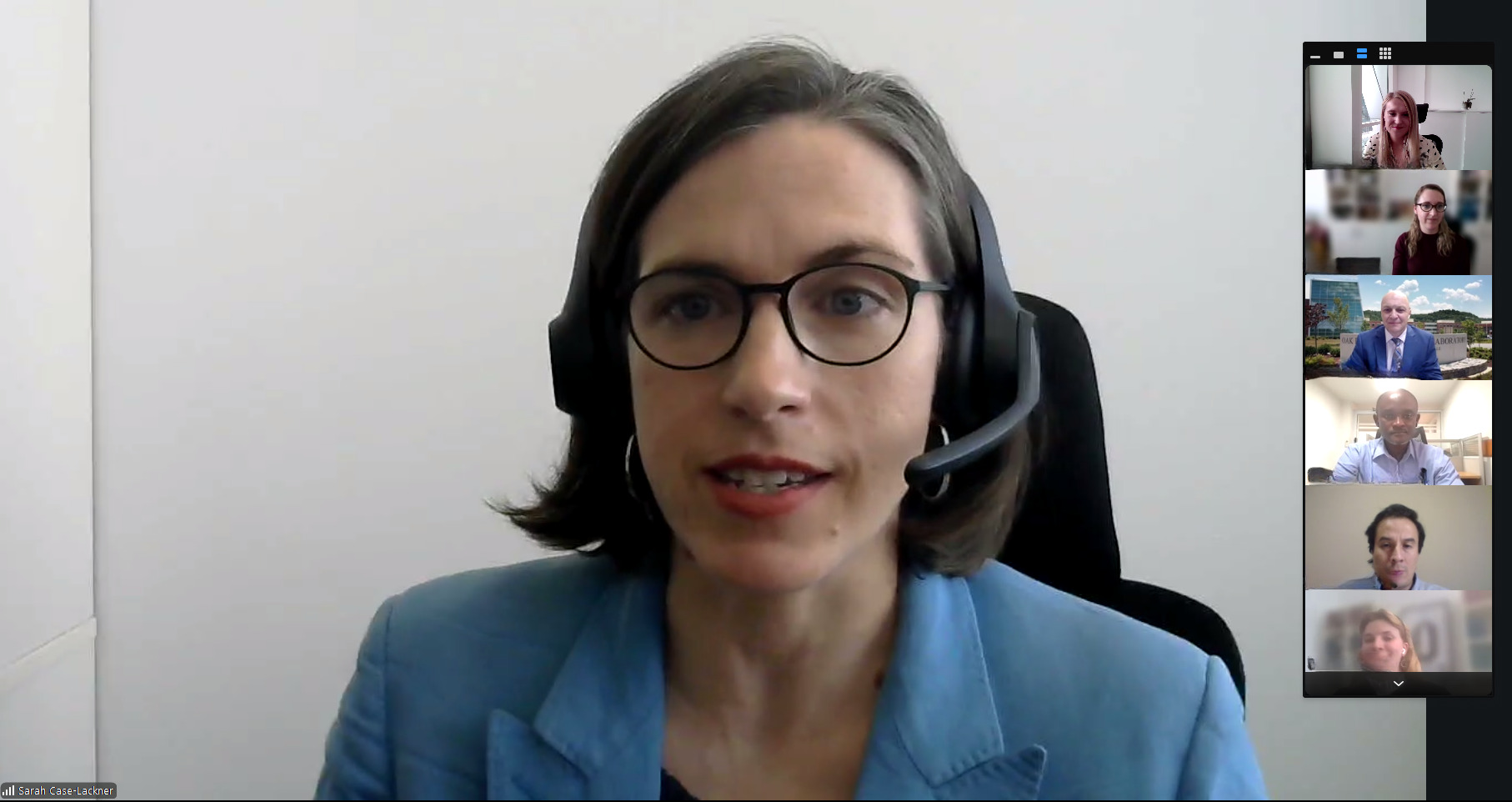
The workshop opened with welcome remarks from VCDNP Emerging Technologies Programme Director Dr. Sarah Case Lackner, followed by an overview of the workshop's objectives from VCDNP Research Associate and Project Manager Ms. Mara Zarka. To initiate the discussions, Ms. Zarka posed the question of how the intentional integration of AI systems in nuclear facilities and the way humans interact with these systems is affecting the insider threat risk, and whether keeping a human in the loop is a real solution.

Then, Professor Chris Snijders, Chair of Sociology of Technology and Innovation at Eindhoven University of Technology, presented the main findings of a background paper commissioned for the project, entitled “Human-AI interaction in High-Stakes Settings: What Decades of Evidence Say About a Very New Problem”. Drawing on an extensive body of research on human decision-making and human-system interaction, he presented examples of areas where the nuclear sector could borrow from other industries and highlighted areas where new work is needed. For example, he addressed biases, the ironies of automation, calibrated trust, and human oversight.


Participants then split into three breakout groups, each examining a different question. Two groups considered how the use of AI may introduce new vulnerabilities that could impact insider risks to the security of nuclear materials and facilities, with one group examining unwitting insiders and the other witting insiders. The third group explored the role of human oversight, including human-in-the-loop approaches, as a potential solution. When the groups reconvened, common themes started to emerge, such as:
- Considering where AI is integrated into facilities,
- How to define the role of AI in existing nuclear security frameworks,
- Where human oversight is best positioned, and
- How to provide guidance and training on appropriate AI use.
The conversation demonstrated the value of reflecting on human-AI interaction in a nuclear context and identified areas where further research would be beneficial.
A second virtual workshop will be convened in the first half of 2027 to further explore these potential research directions and generate conclusions on the topic. Following this workshop, a detailed report on the workshop outcomes, highlighting key takeaways and insights, will be published.
The VCDNP expresses its sincere gratitude to all participants and contributors for a rich and engaging discussion.
The VCDNP extends its heartfelt appreciation to Global Affairs Canada for its generous support, which made this workshop possible.