


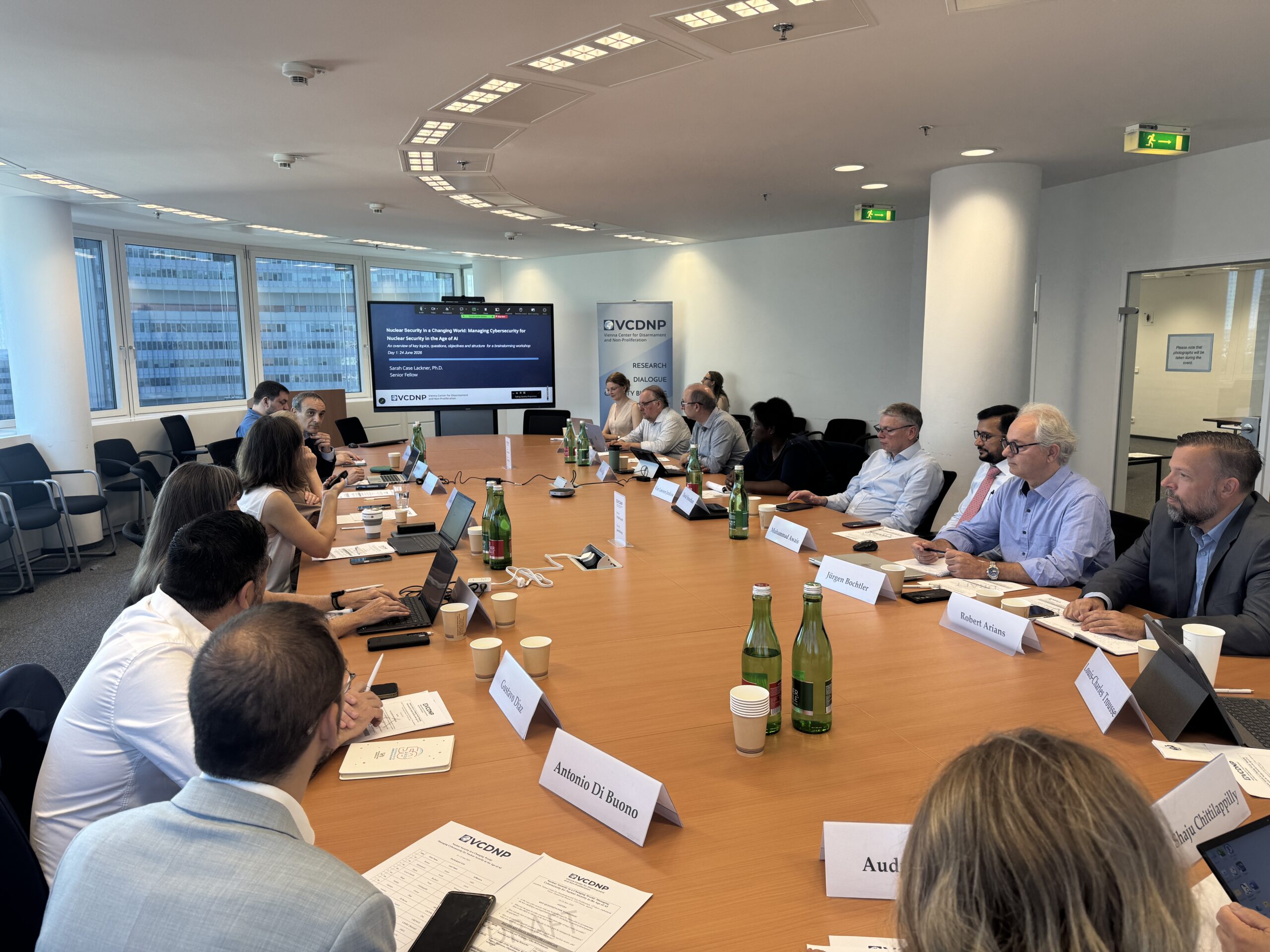
On the 24th and 25th of June 2026, the Vienna Center for Disarmament and Non-Proliferation hosted a workshop entitled Nuclear Security in a Changing World: Managing Cybersecurity for Nuclear Security in the Age of AI. The workshop brought together cybersecurity, nuclear security, and artificial intelligence experts to collaboratively investigate the challenges and opportunities that AI presents for cybersecurity in the nuclear sector.

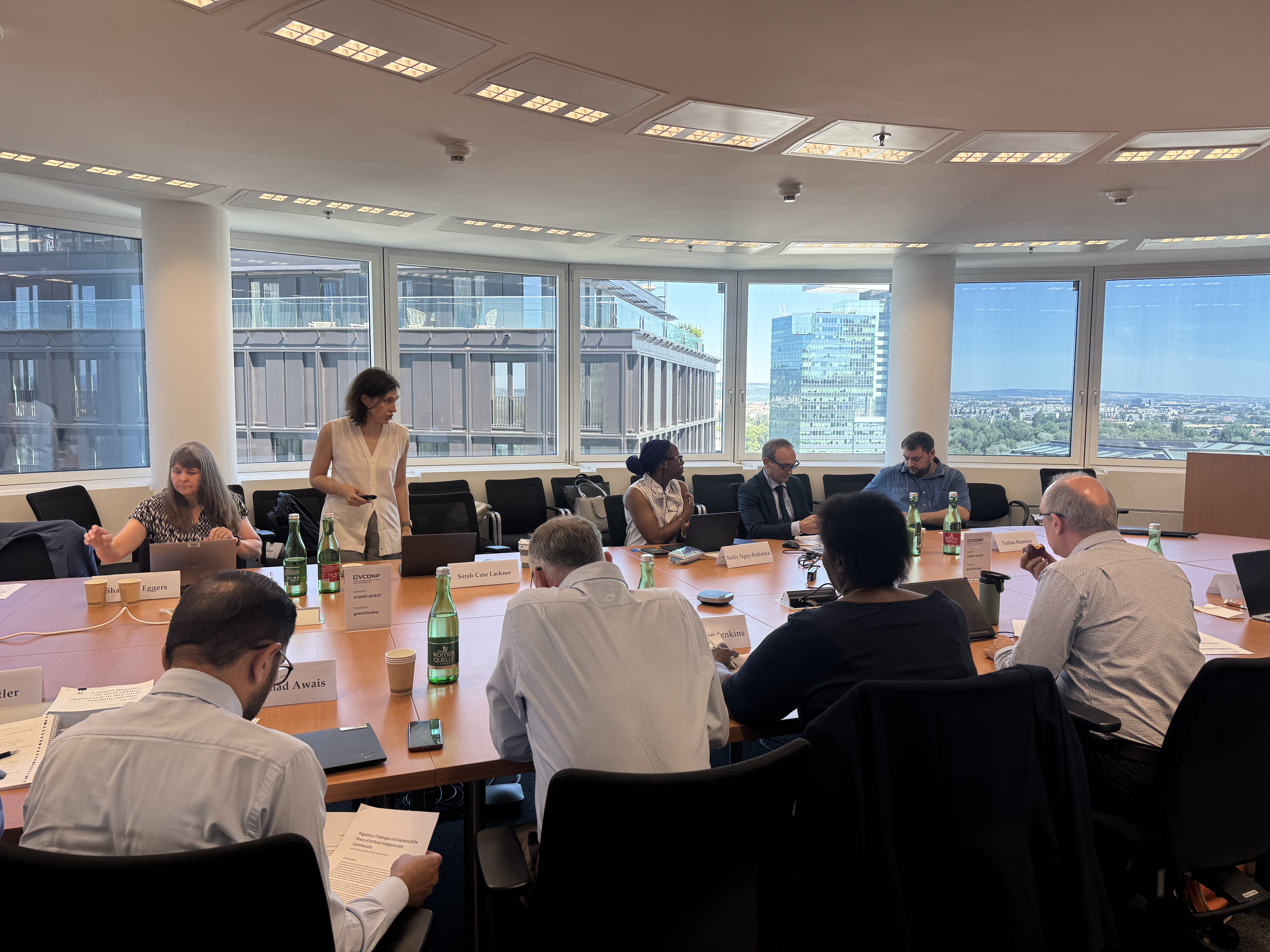
The workshop opened with welcoming remarks from VCDNP Director Elena Sokova, followed by an introductory presentation from Senior Fellow Dr. Sarah Case Lackner, who provided an outline of the workshop’s programme and goals.
The first day of the workshop encouraged participants to explore the challenges and opportunities AI presents for cybersecurity in the nuclear sector, drawing on lessons from other industries facing similar questions. Discussions opened with a panel of regulatory experts mapping the challenges that nuclear regulators face today and those they anticipate as AI becomes increasingly embedded in nuclear facilities and the broader technological environment. Drawing on pre-workshop survey results, participants moved into a full-group discussion to set out the key challenges, players, and stakeholders. A central theme was conflicting timelines: concern that regulators are lagging behind AI developers, and that nuclear security professionals are falling behind adversaries in AI capabilities.
The workshop then shifted to the perspectives of vendors and operators, with panellists sharing their experiences with AI applications in the nuclear sector. Breakout groups explored how regulators can address AI-related risks while remaining technology-agnostic and how toprovide meaningful guidance to operators without necessarily imposing prescriptive AI-specific regulation.
The first day concluded with a panel of AI professionals from outside the nuclear sector discussing how other industries are managing the intersection of AI and cybersecurity. A full-group discussion followed on what distinguishes nuclear from other sectors facing similar challenges. Participants highlighted the particularly severe consequences of nuclear security incidents, the importance of public risk perception, and the complexity of the nuclear supply chain and the engineering of nuclear facilities themselves as key differentiating factors.
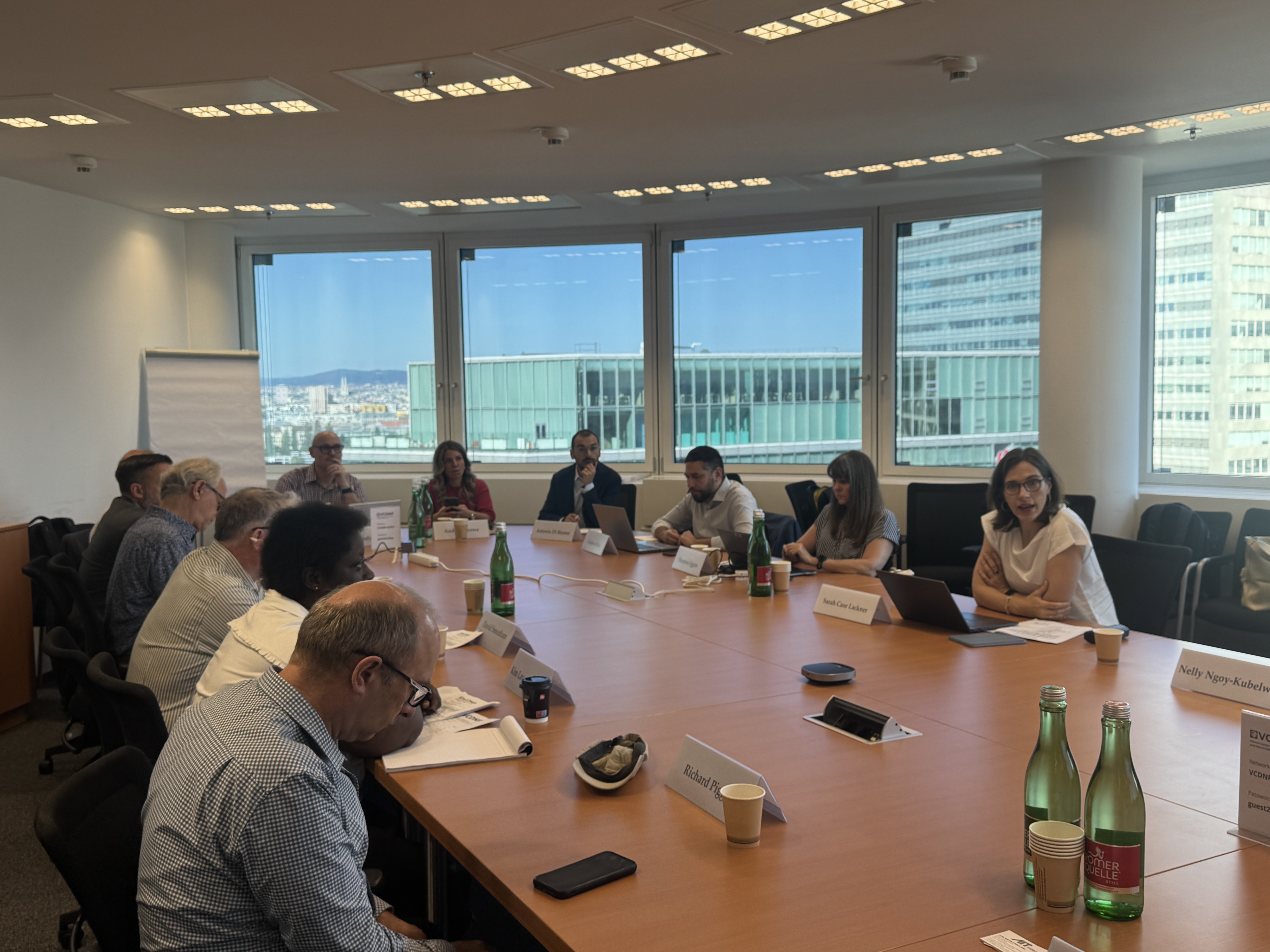
The second day turned to near-term realities, notably the concrete applications and emerging threats that AI poses to nuclear cybersecurity, and how regulators, operators, and vendors can communicate more effectively to address them together. The opening panel, followed by a group discussion, brought together representatives from national nuclear regulators to discuss which aspects of current regulatory approaches are working well for addressing AI and cybersecurity challenges, and what needs to change.