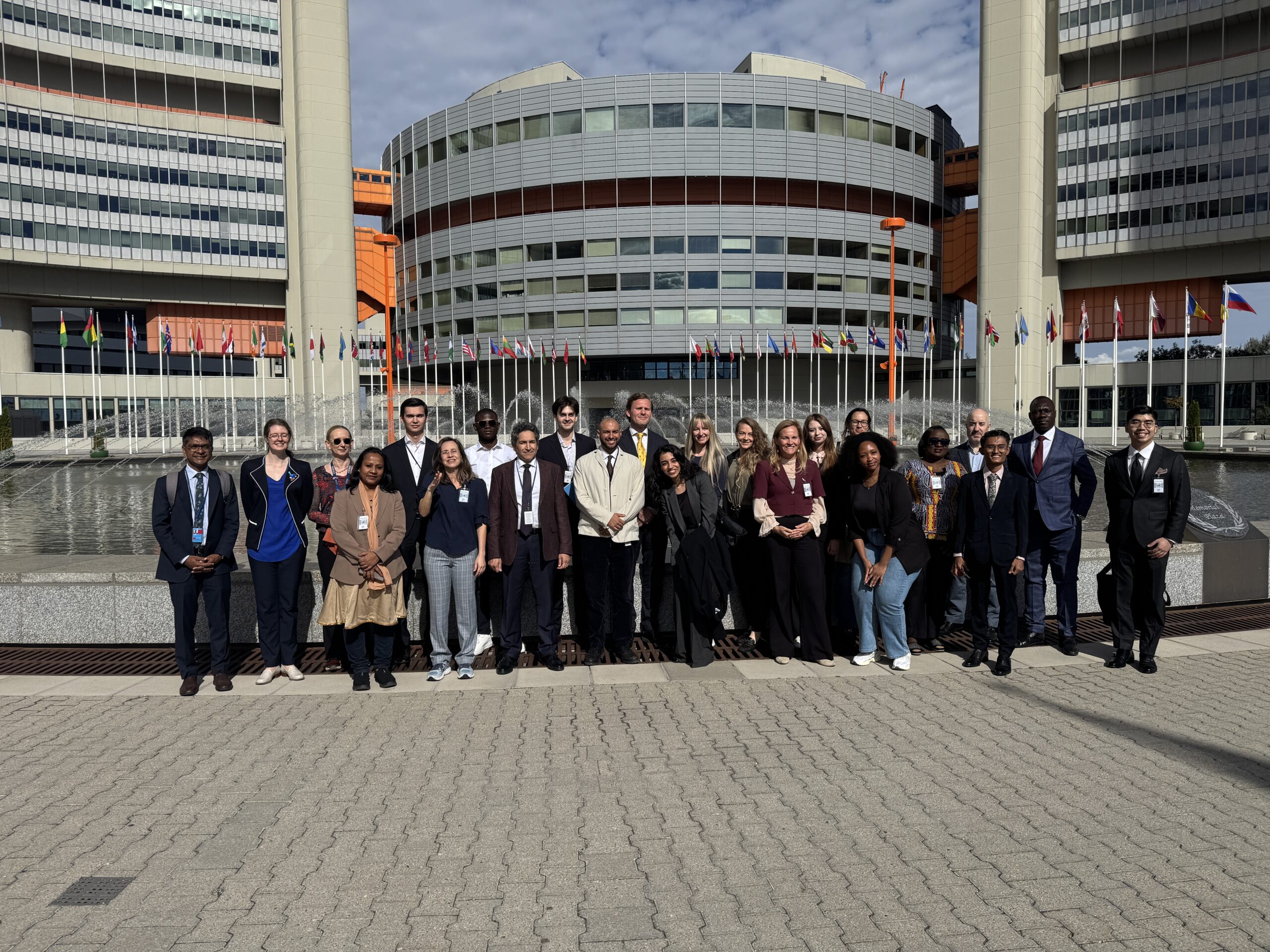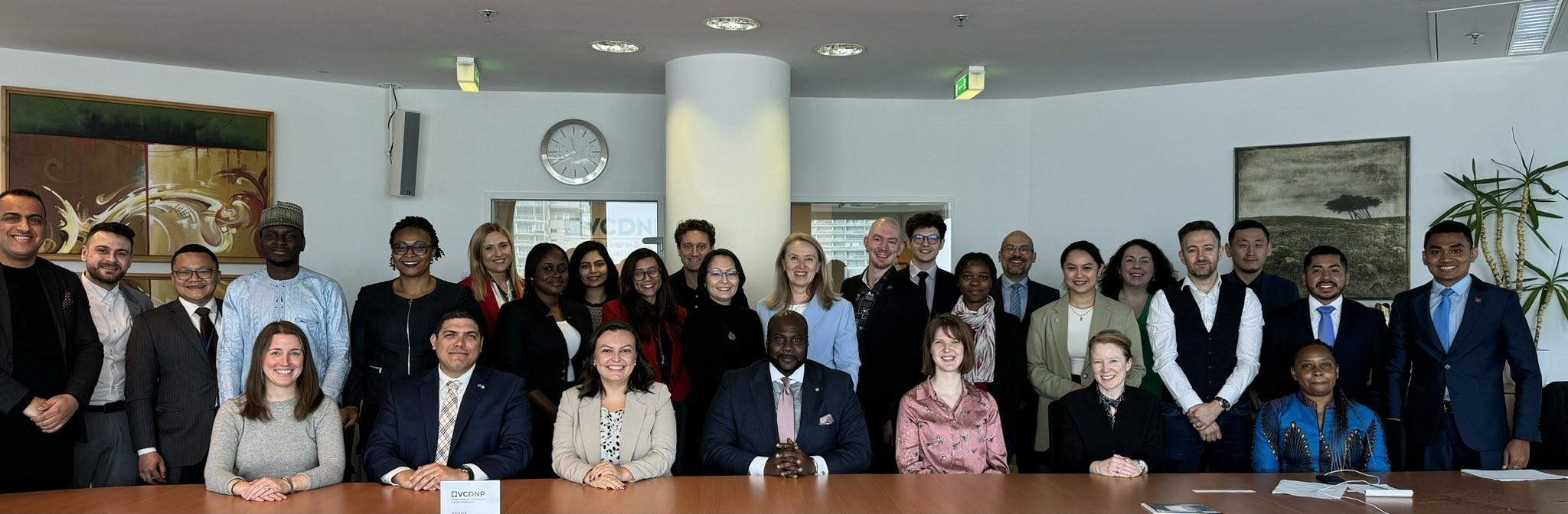
Effective verification is an essential element of any nuclear arms control, non-proliferation or disarmament agreement. While verification tools are technical in nature, verification itself is not purely a technical exercise: it is shaped by legal and normative requirements as well as international and domestic political influences. It is a multi-domain and highly specialised field that requires both expertise and practical experience. In this context, the VCDNP launched a project on how nuclear verification is negotiated. The project aims at building understanding and capacity to negotiate verification systems capable of supporting future arms control, disarmament, and non-proliferation regimes. Special emphasis was on building capacity among non-nuclear States.
The project, led by Senior Research Associate Noah Mayhew, entailed:
The findings described in the report, entitled “Negotiating Nuclear Verification: Arms Control, Disarmament and Non-Proliferation”, included a range of insights that could be valuable to future nuclear negotiators. Following an abridged history of nuclear verification negotiations, the study offers an overview of current and envisaged verification approaches and which technologies can support them. In that regard, the authors concentrated on the principles and methods of verification, creating synergies of different approaches, handling various—often contradictory—political, national security, and technical requirements.
The authors discuss the similarities and the divergencies of arms control, disarmament and non-proliferation verification and institutions required to ensure smooth implementation of agreements. They also examined other practical matters like achieving “sufficient confidence” in verification, the handling of sensitive information, and the role of non-nuclear-weapon States in verification. The report also includes tips for negotiators, informed by former negotiators themselves, on issues like the careful use of language, tactics, approaches to identifying elements of common ground, effective communication and individual relationships with interlocutors.
The report concludes with eight concrete recommendations for NPT States Parties as well as UN and IAEA Member States. Among them are:
The VCDNP expresses its gratitude to the Government of Switzerland for the generous support for this project.