The risks posed by nuclear weapons have by no means been reduced, but nuclear weapons have a lower priority in the public’s mind than they were during the Cold War. This was one of the points made by VCDNP Senior Fellow Angela Kane in a recent episode of Bayrischer Rundfunk’s podcast, “Dossier Politik.”
Ms. Kane, also the former UN High Representative for Disarmament Affairs, touched on a number of pressing issues in the nuclear sphere, including the recent extension of the 2010 Strategic Arms Reduction Treaty (New START), the entry into force of the Treaty on Prohibition of Nuclear Weapons (TPNW) and the Joint Comprehensive Action Plan (JCPOA).
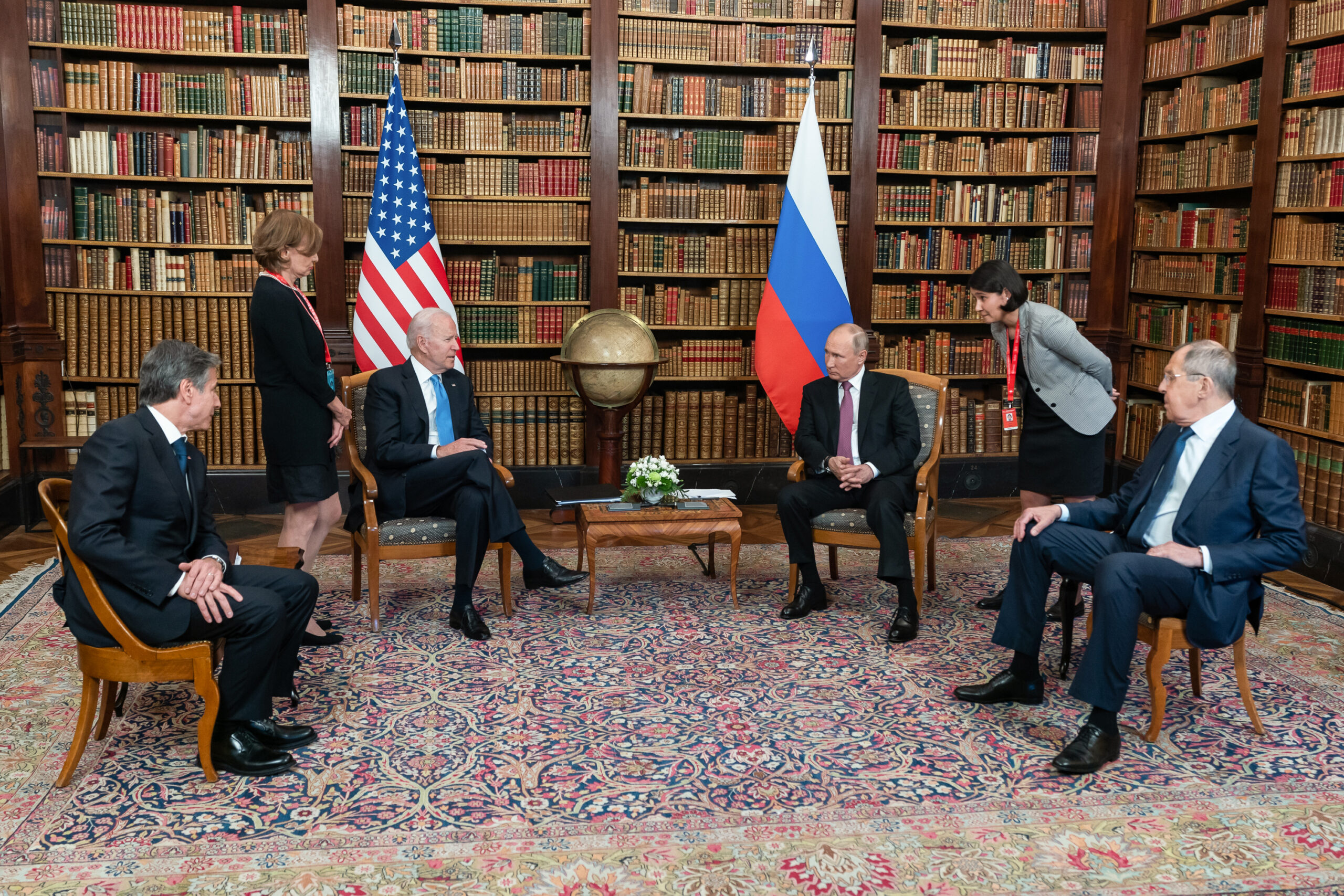
Though the extension of New START in itself does not lead to disarmament, Ms. Kane argued that it provides important confidence-building measures such as increased monitoring and verification mechanisms between the United States and the Russian Federation. New START also provides for a Bilateral Consultative Commission that convenes if problems arise. Most importantly, the New START extension buys five years for the parties to engage in new negotiations to conclude new agreements.
Both the Tenth Review Conference of the Treaty on the Non-Proliferation of Nuclear Weapons (NPT) and the first meeting of State Parties to the TPNW will likely take place this year. Ms. Kane argued that the normative pressure against the possession of nuclear weapons has grown strong and called for dialogue between the nuclear-weapon States and non-nuclear-weapon States in both fora. She further observed that NATO was not founded as a nuclear alliance and that removing nuclear weapons from the strategy of the alliance is therefore not impossible.
Finally, Ms. Kane commented on the future of the JCPOA. She observed that the challenges are primarily at the political level, and not in the fulfillment of the provisions of the agreement. She said that a multilateral approach should be encouraged and that the EU, China and Russia increasingly should be integrated into the process.
In conclusion, Ms. Kane called for stronger commitments from the nuclear-weapon States pursuant to NPT’s Article VI for the “cessation of the nuclear arms race” and “to nuclear disarmament,” as well as for less antagonizing attitudes towards the TPNW.