


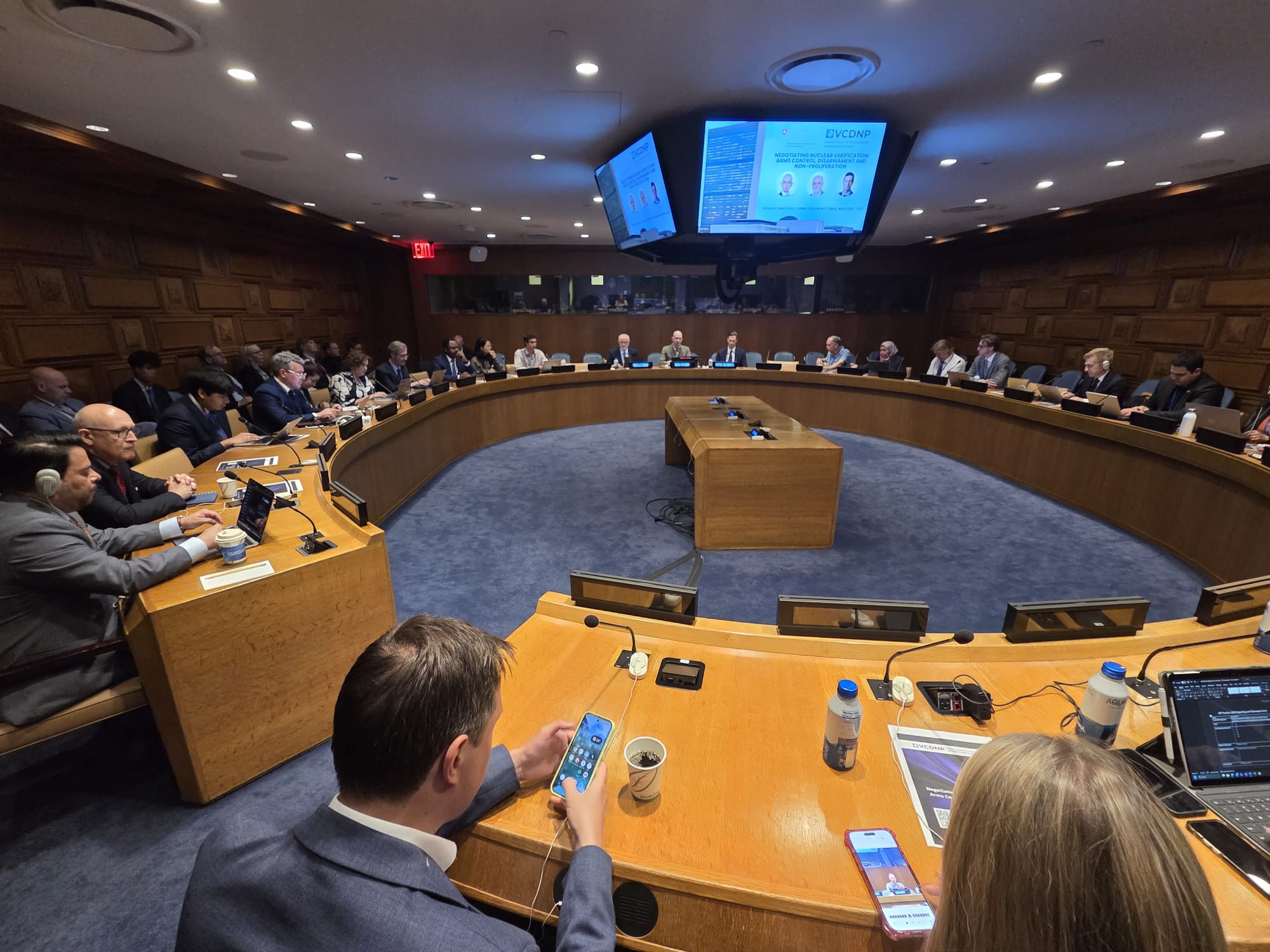
On 5 May 2026, on the margins of the 2026 Review Conference of the Treaty on the Non-Proliferation of Nuclear Weapons (NPT), the VCDNP and the Government of Switzerland held a side event to launch the Center’s new report entitled “Negotiating Nuclear Verification: Arms Control, Disarmament and Non-Proliferation”. The report concludes a project aimed at building capacity to negotiate verification systems in support of arms control, disarmament and non-proliferation agreements. In this regard, the project involved a workshop for diplomats, military experts and policymakers, which convened 25 individuals spanning all United Nations regional groupings including both nuclear- and non-nuclear-weapon States.

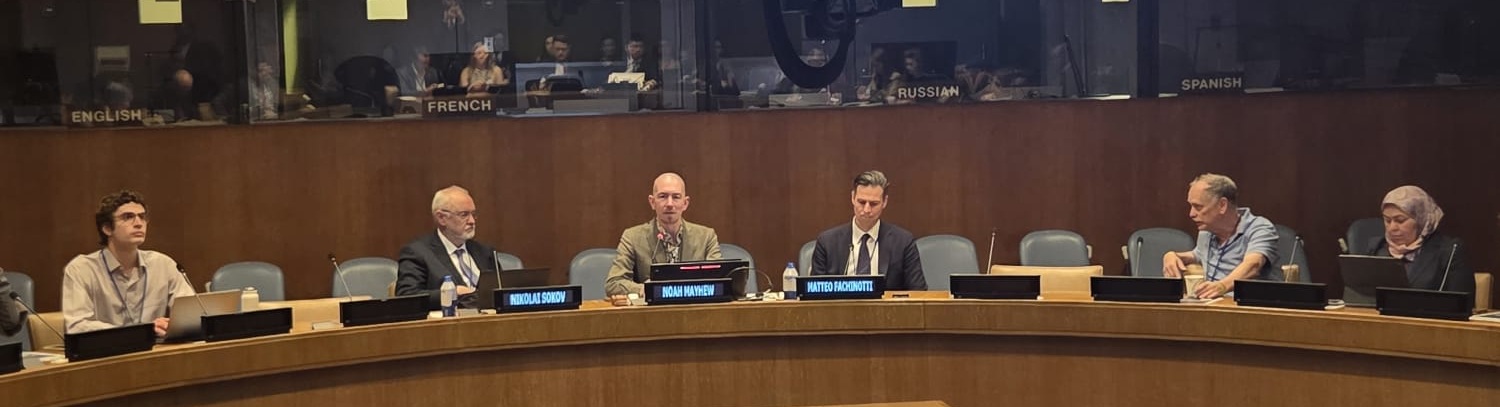
Speakers at the side event included:
- Ambassador Matteo Fachinotti, Permanent Representative of Switzerland to the International Atomic Energy Agency and the Comprehensive Nuclear-Test-Ban Treaty Organization
- Noah Mayhew, Senior Research Associate, VCDNP
- Dr. Nikolai Sokov, Senior Fellow, VCDNP

Ambassador Fachinotti opened the side event by remarking on the context and current need for the project. He noted the current challenges in arms control negotiations, a lack of progress on nuclear disarmament and the drive by NPT States Parties to achieve a consensus outcome at the Review Conference. Ambassador Fachinotti argued that difficulties in achieving progress means that the need to maintain capacity for nuclear verification—and its negotiation—is higher than ever.

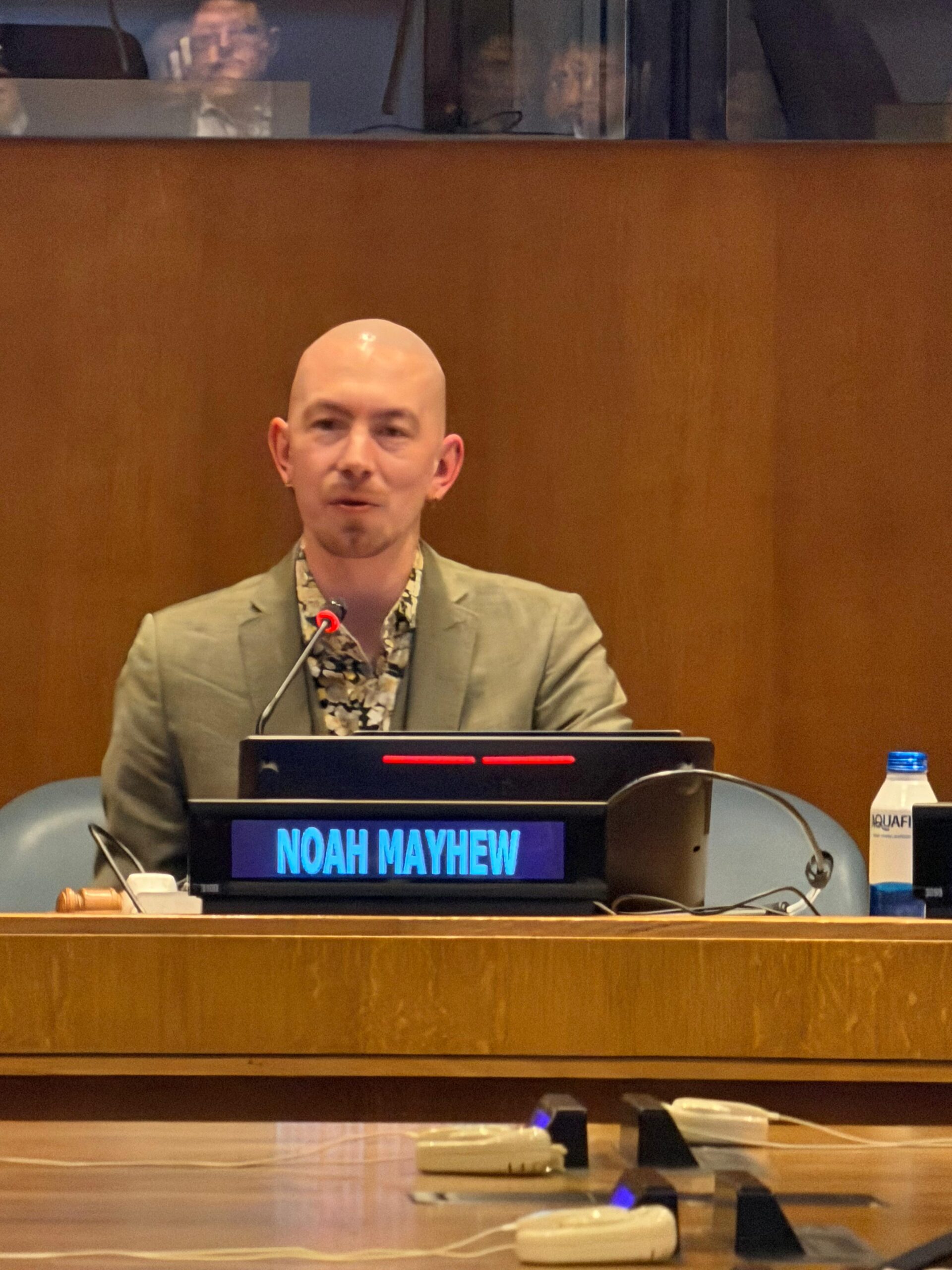
In his remarks, Mr. Mayhew discussed the main topics and findings of the report: the evolution of nuclear verification; methods and tools used for effective verification and what negotiators might need to understand about those tools; the convergences and divergences between arms control, disarmament and non-proliferation; as well as insights from former negotiators to successfully conduct and complete negotiations. He concluded with the VCDNP’s recommendations from the project, which are detailed in the report linked below.

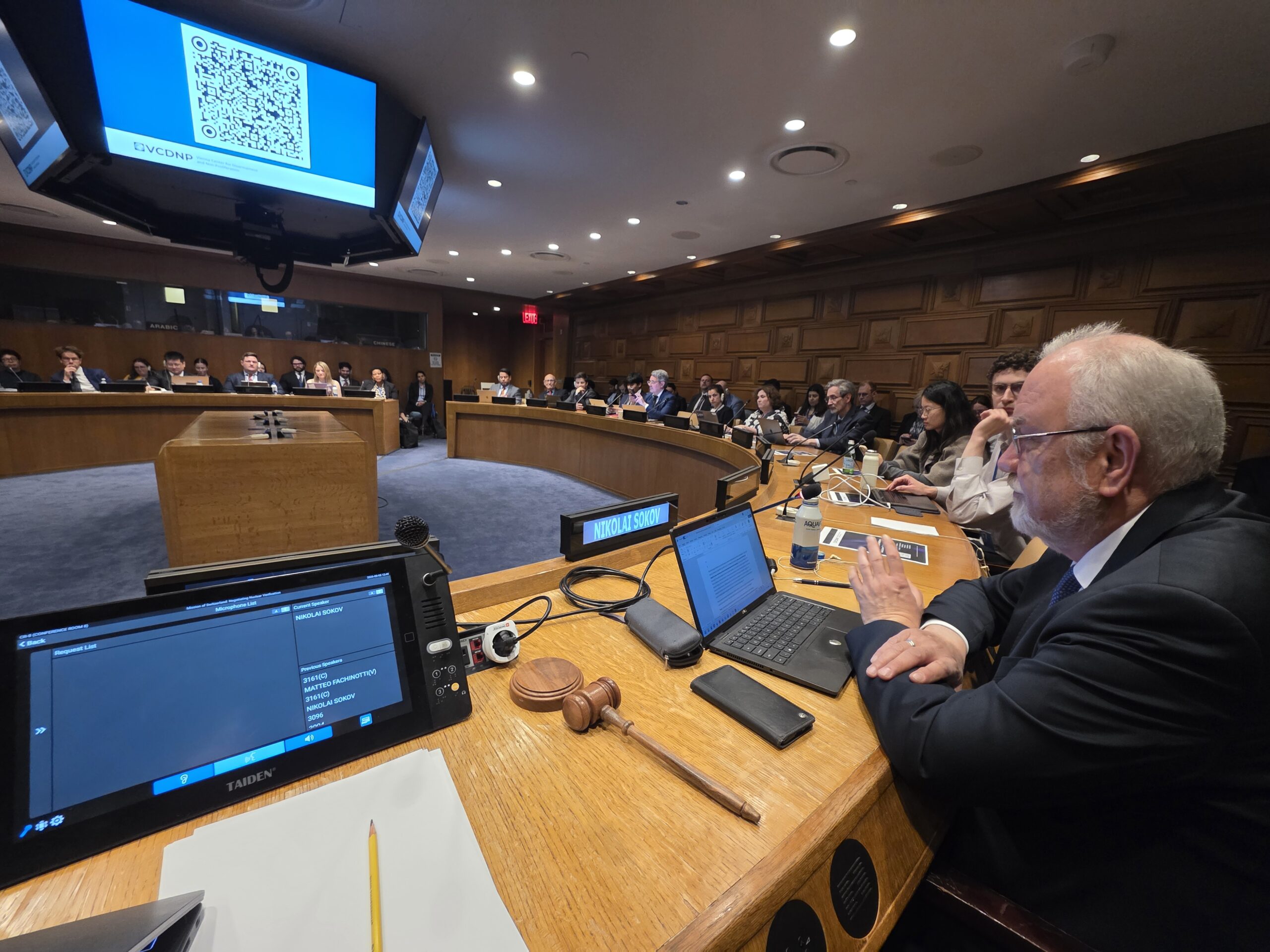
Dr. Nikolai Sokov then offered his perspective as a former nuclear arms control negotiator. Dr. Sokov’s key conclusions—also reflected in the project recommendations—include the need to maintain capacity to negotiate nuclear verification and prepare for future nuclear negotiations, including through building capacity in both nuclear- and non-nuclear-weapon States, and the continuation of research to support the progress made to date on verification approaches.
During the discussion, participants considered the potential differences in what is negotiated versus what can be feasibly implemented, the necessity for trust (or sometimes lack thereof) in negotiating a verification system, the role of civil society in nuclear verification, and next steps for the VCDNP project.
The recording from the side event is available below.

The VCDNP expresses its gratitude to the Government of Switzerland for the generous support for this project.