



Global momentum towards nuclear energy is growing, exemplified by the commitment launched at COP28 to triple nuclear power capacity by 2050. Achieving this goal—and broader sustainable development objectives—will depend on the inclusion of developing countries in efforts to scale nuclear power globally. Without Small Modular Reactors (SMRs), nuclear power would remain largely out of reach for developing countries.
As global energy demand continues to rise, interest in SMRs is gaining momentum. With their compact size, inherent safety features, and deployment flexibility, SMRs have the potential to expand access to nuclear power—particularly for countries with limited resources, smaller electricity grids, or geographically isolated communities.
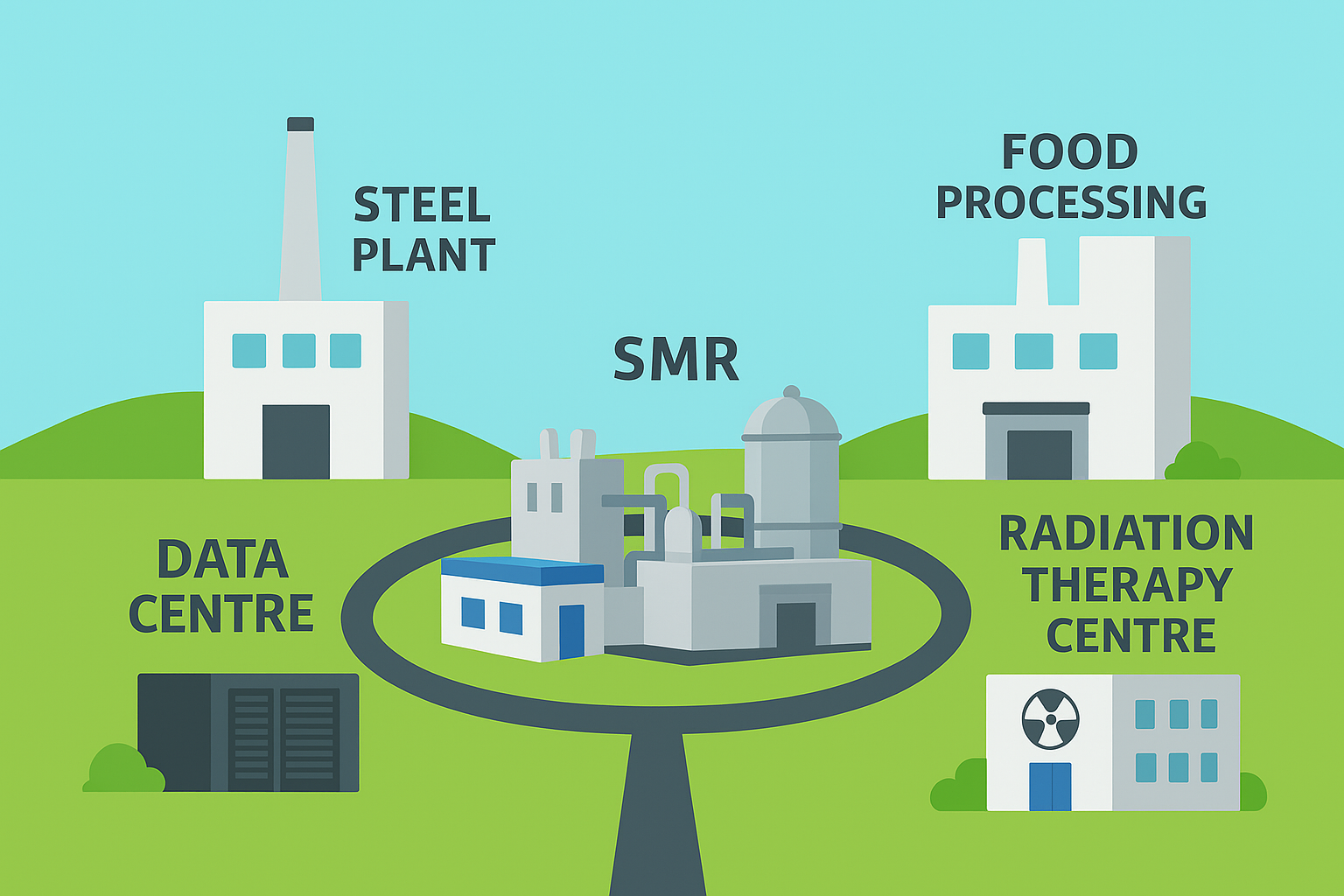
In a new Sustainable Solutions brief, VCDNP experts Ingrid Kirsten, Anthony Stott, and Noah Mayhew provide an overview of SMR designs, fuel types, and potential applications. They examine key challenges and explore pathways to deployment, including innovative implementation models, as well as the IAEA’s support to countries in developing the necessary infrastructure for nuclear power programmes.
The paper also reviews the technical, regulatory, infrastructure, and financial challenges that must be addressed to realise this “nuclear renaissance.” It concludes that continued innovation, investment, inclusive partnerships, transparent governance, and public engagement will be essential to ensure that SMRs contribute meaningfully to tripling global nuclear capacity by 2050—advancing a just, inclusive, and resilient energy future for all.