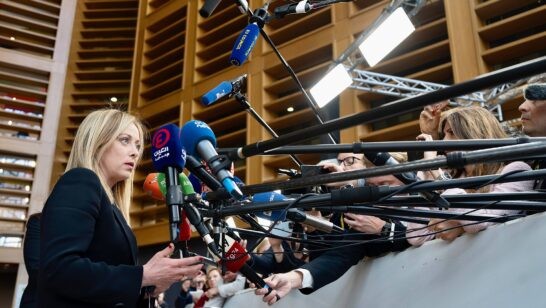
In May 2026, States Parties to the Treaty on the Non-Proliferation of Nuclear Weapons (NPT) will meet for the 11th Review Conference under exceptionally difficult circumstances. In a commentary for the European Leadership Network (ELN), VCDNP Senior Research Associate Federica Dall’Arche reflects on Italy’s perspective on the Treaty and underscores the need for strong European support and leadership in sustaining and reinforcing the NPT framework.
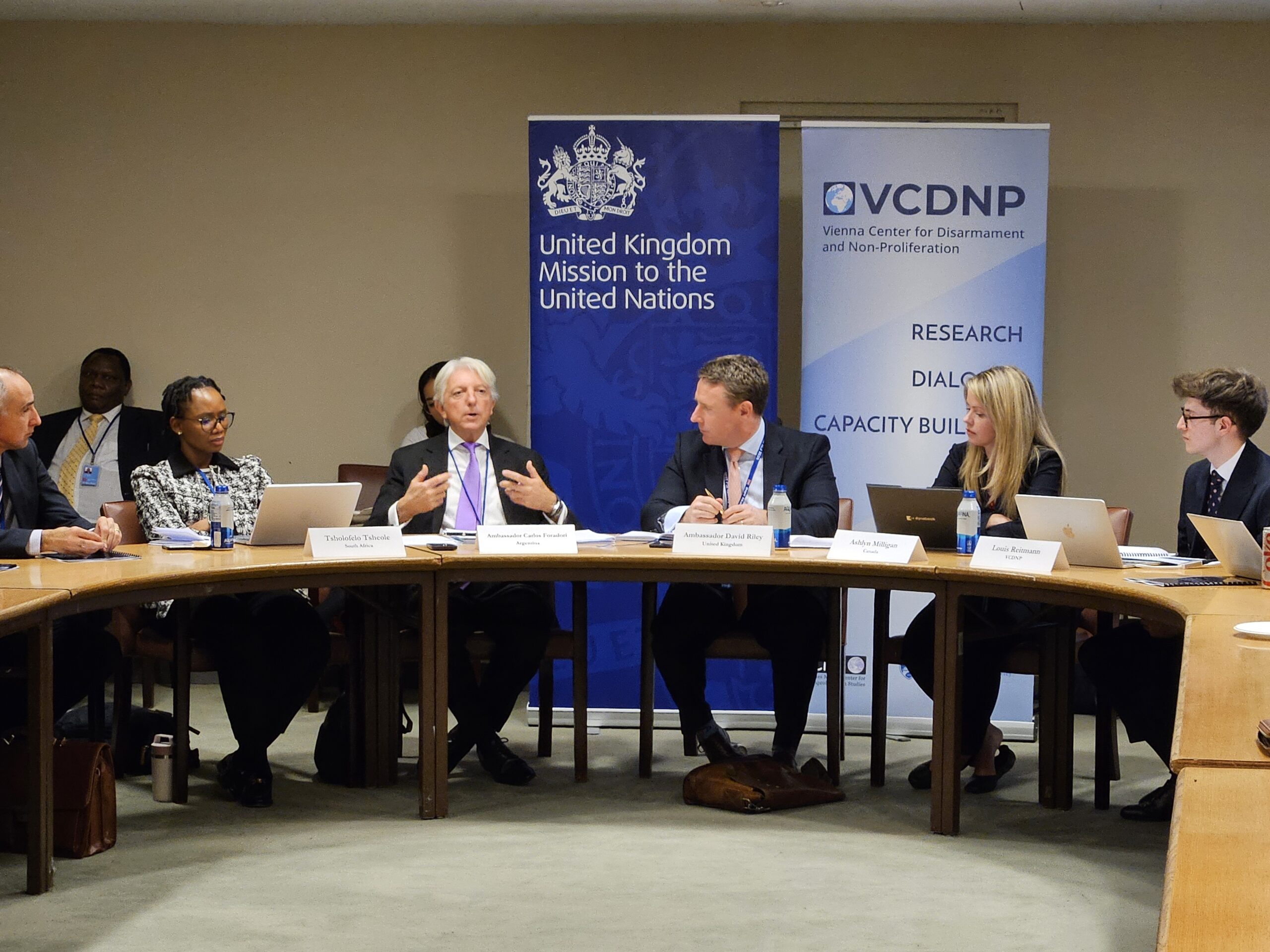
The VCDNP and the United Kingdom shared innovative, actionable ideas for enabling progress on space security during a side event at the UN General Assembly First Committee meeting in New York.
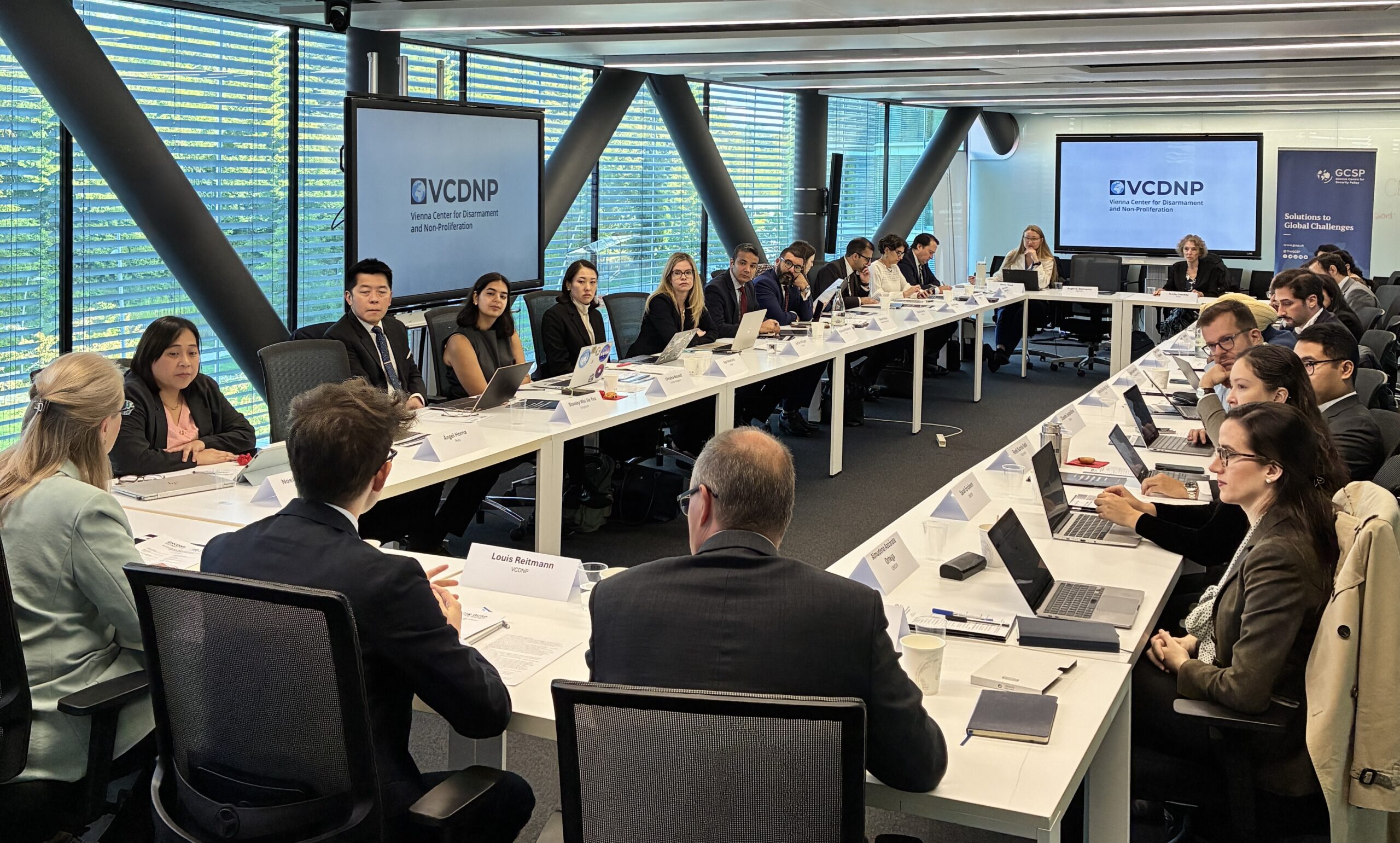
The VCDNP convened officials, diplomats, experts, and space industry in Geneva for a workshop to identify avenues and next steps for space threat reduction, in collaboration with the Geneva Centre for Security Policy (GCSP).
Senior diplomats, officials from international organisations, and non-governmental experts discussed the state of the international nuclear non-proliferation regime, the implications of recent events, and prospects for the 2026 Non-Proliferation Treaty Review Conference.
VCDNP experts participated in the 2025 NPT Preparatory Committee meeting as NGO observers, organisers, and speakers at four side events, as well as advisors on national delegations.
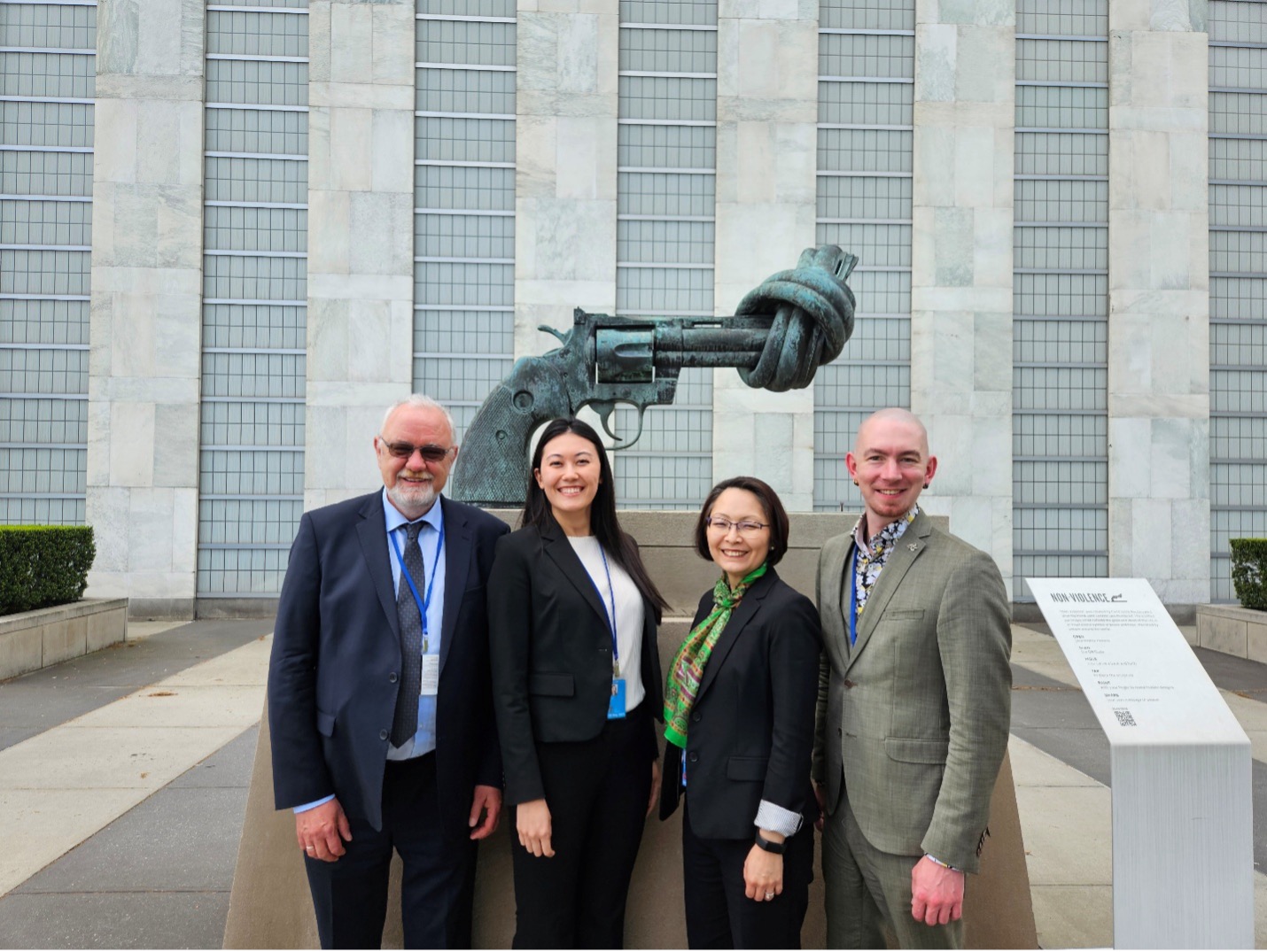
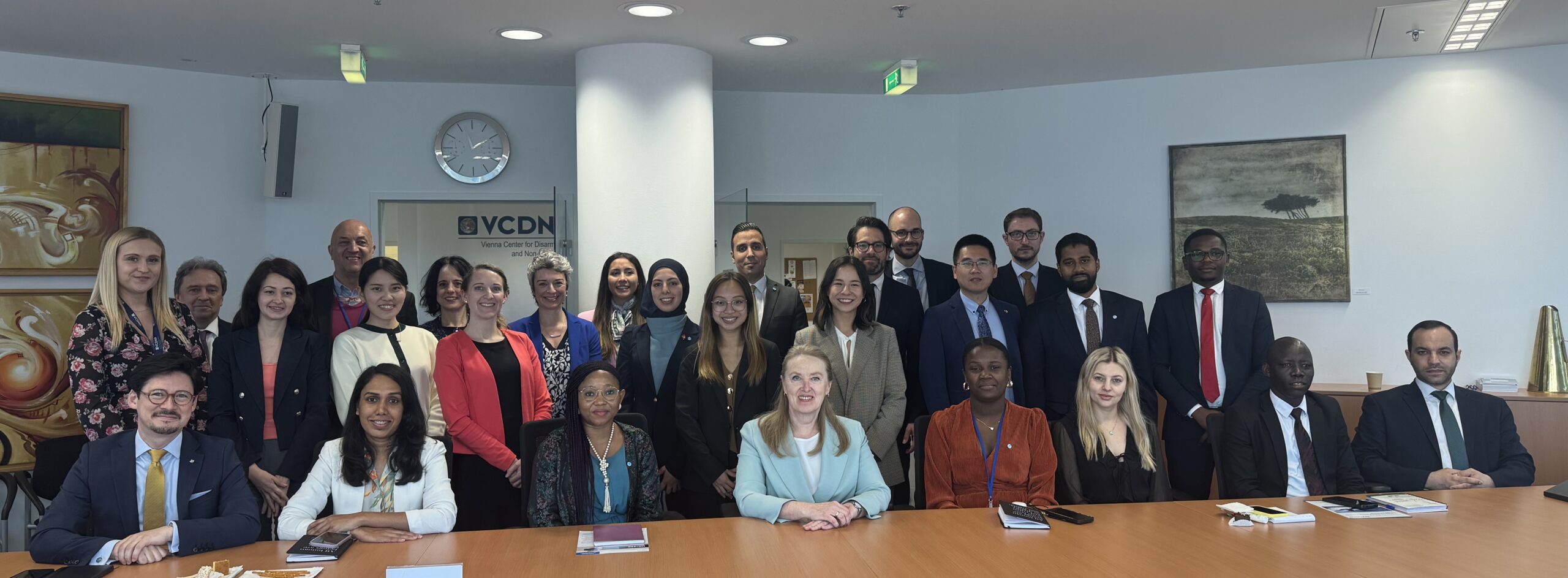
The 2025 UN Disarmament Fellows learned about the EU institutions, policies, and functioning with a focus on non-proliferation and disarmament during a one-day intensive programme at the VCDNP.
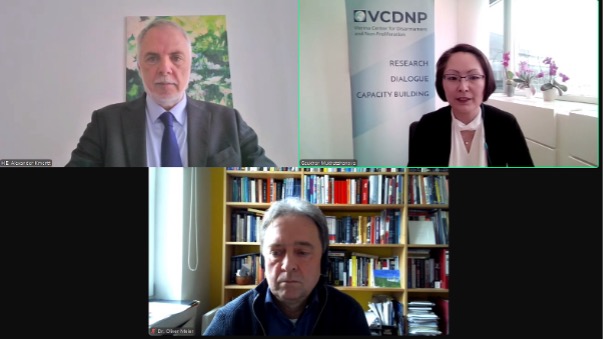
The VCDNP held a webinar discussing the report on articulating security concerns of TPNW States Parties, featuring Ambassador Alexander Kmentt of Austria as presenter and Dr. Oliver Meier of the European Leadership Network as a discussant.
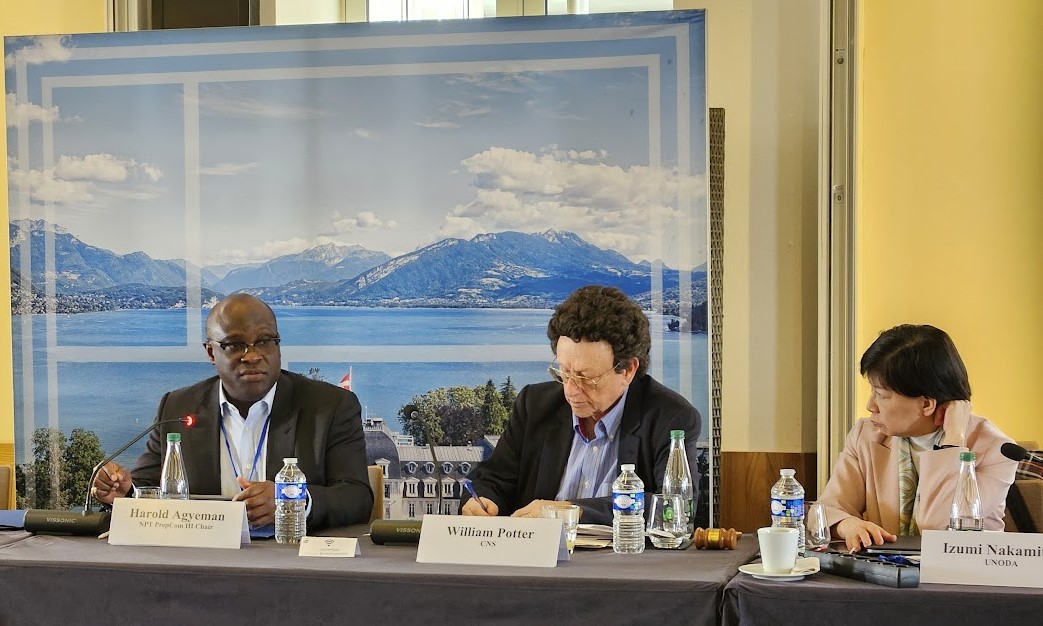
On 20 and 21 March, over 60 senior diplomats, international organisations officials, and non-governmental representatives gathered in Annecy, France to discuss key issues for the third session of the Preparatory Committee of the 2026 NPT Review Conference.
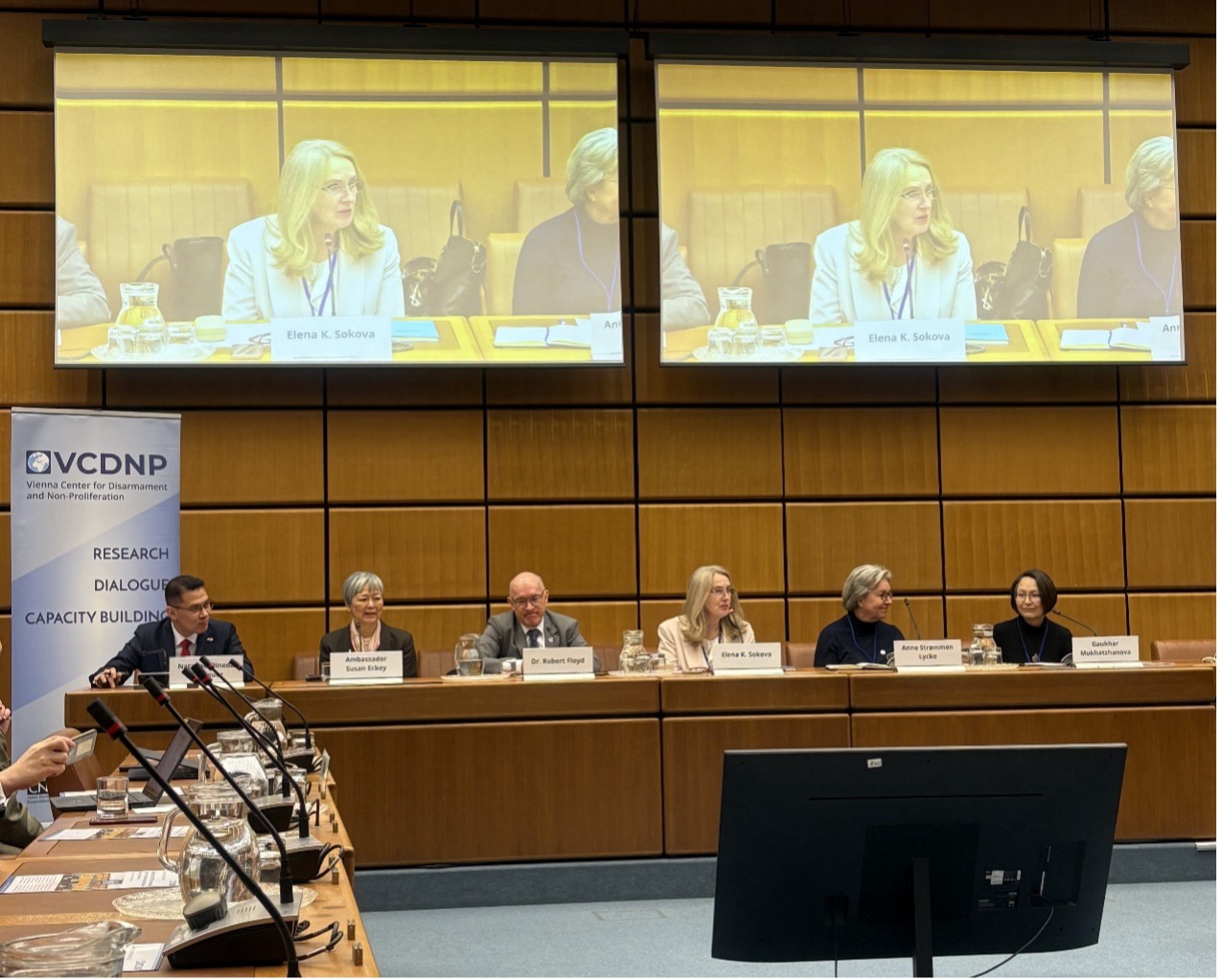
The VCDNP and the Permanent Missions of Norway and Panama convened a panel discussion on strengthening support for the CTBT and its entry into force ahead of the 2025 Article XIV Conference, with CTBTO Executive Secretary Dr. Robert Floyd and other expert speakers.
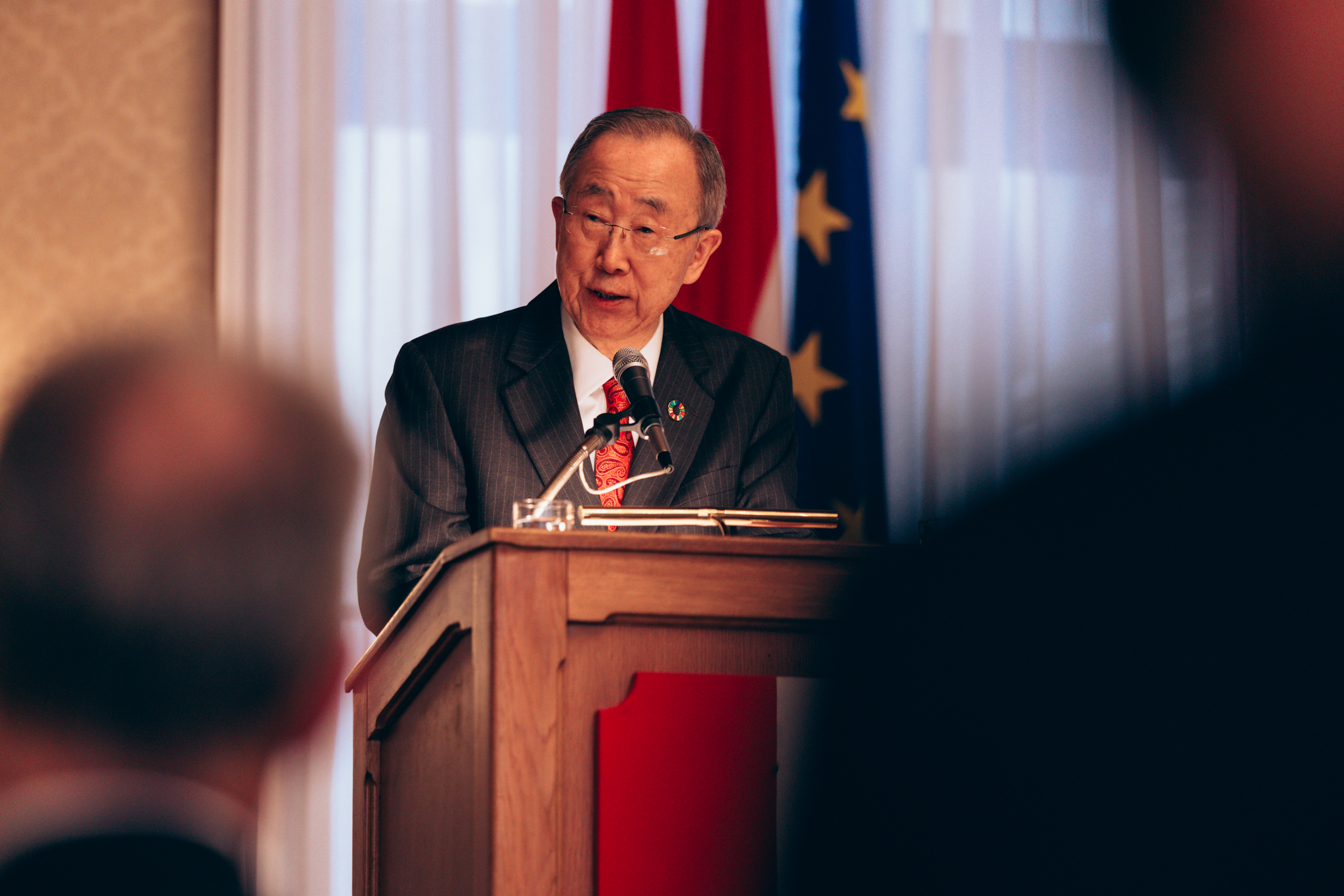
The VCDNP organised a high-level event and panel discussion on contemporary and developing nuclear threats, featuring remarks by the eighth UN Secretary-General Ban Ki-moon and former President of Austria Dr. Heinz Fischer, in partnership with the Ban Ki-moon Centre for Global Citizens and the City of Vienna.
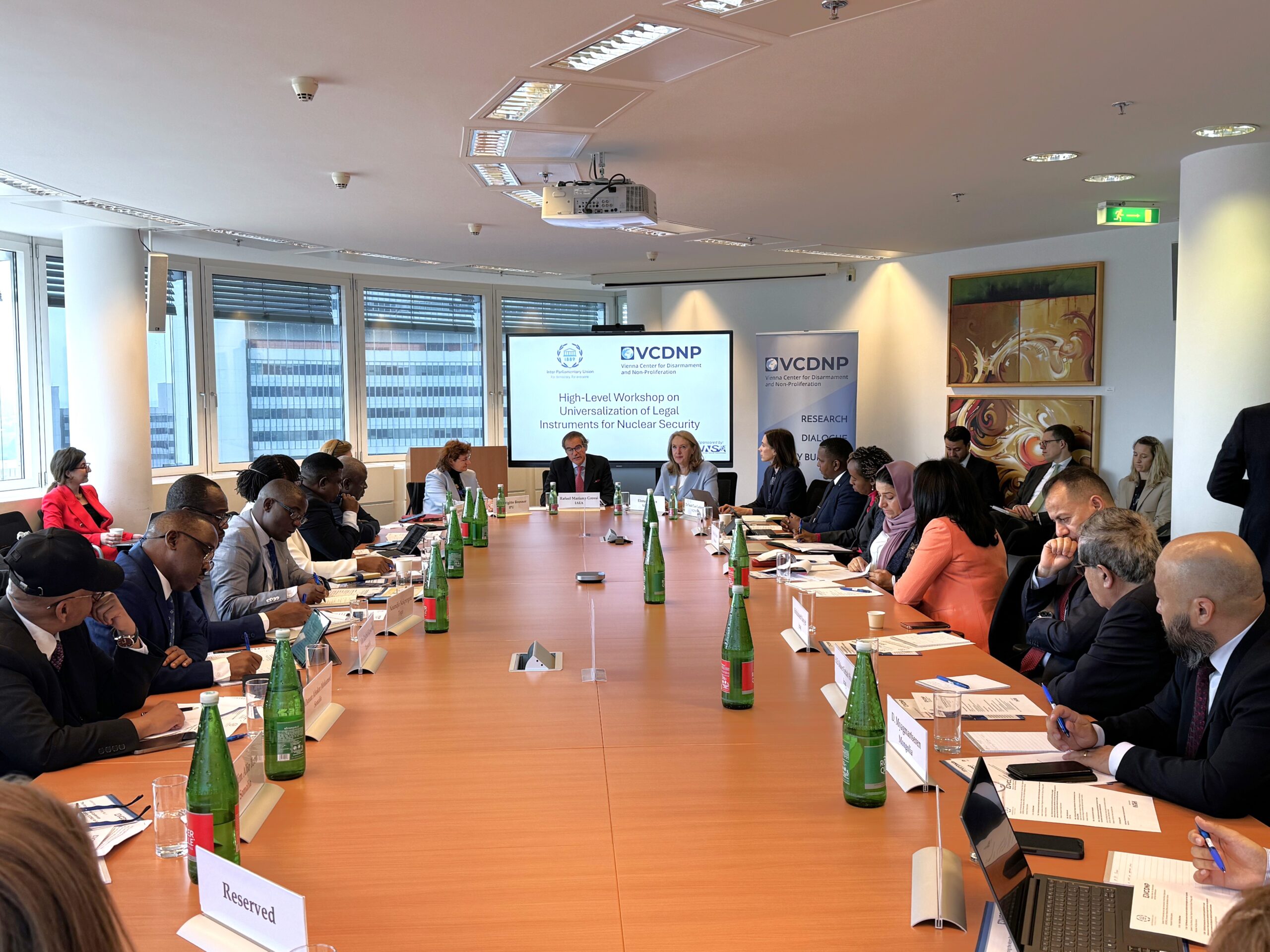
The VCDNP and IPU launched a report entitled “Engaging Parliamentarians on Nuclear Security,” covering lessons learned, main conclusions and recommendations following a jointly organized workshop held in April 2024.
The VCDNP and the Inter-Parliamentary Union (IPU) present key findings and recommendations on engaging parliamentarians on nuclear security in a new report, building on a high-level workshop, organised in April 2024.
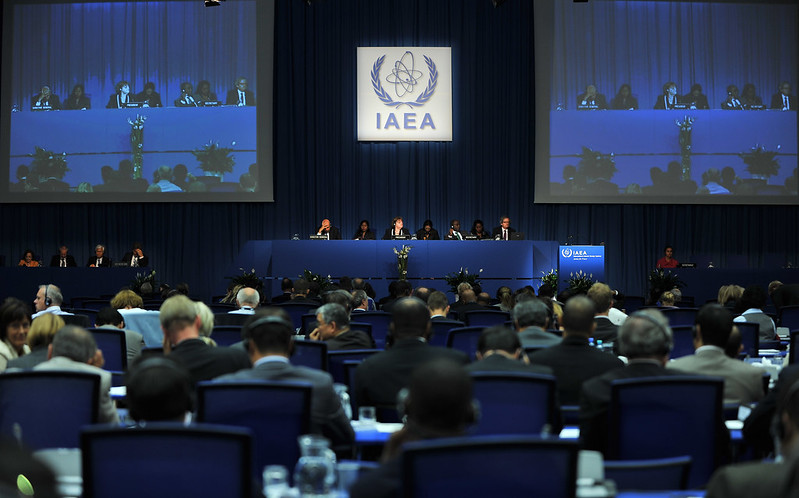
In the new VCDNP’s Governing the Atom brief, Senior Research Associate Noah Mayhew explains the IAEA’s annual General Conference and its structure, as well as how it works and makes decisions.
VCDNP Research Intern Alexander Hoppenbrouwers explains how discussions on the regulation of autonomous weapons may change following the Vienna Conference on Autonomous Weapons Systems in a piece published by the Royal United Services Institute.
To provide the best experiences, we use technologies like cookies to store and/or access device information. Consenting to these technologies will allow us to process data such as browsing behavior or unique IDs on this site. Not consenting or withdrawing consent, may adversely affect certain features and functions.
Functional Always active
The technical storage or access is strictly necessary for the legitimate purpose of enabling the use of a specific service explicitly requested by the subscriber or user, or for the sole purpose of carrying out the transmission of a communication over an electronic communications network.
Preferences
The technical storage or access is necessary for the legitimate purpose of storing preferences that are not requested by the subscriber or user.
Statistics
The technical storage or access that is used exclusively for statistical purposes.The technical storage or access that is used exclusively for anonymous statistical purposes. Without a subpoena, voluntary compliance on the part of your Internet Service Provider, or additional records from a third party, information stored or retrieved for this purpose alone cannot usually be used to identify you.
Marketing
The technical storage or access is required to create user profiles to send advertising, or to track the user on a website or across several websites for similar marketing purposes.