In May 2026, States Parties to the Treaty on the Non-Proliferation of Nuclear Weapons (NPT) will meet for the 11th Review Conference under exceptionally difficult circumstances. In a commentary for the European Leadership Network (ELN), VCDNP Senior Research Associate Federica Dall’Arche reflects on Italy’s perspective on the Treaty and underscores the need for strong European support and leadership in sustaining and reinforcing the NPT framework.
Dr. Natasha Bajema and VCDNP’s Mara Zarka examine the intersections between AI and WMD, with an outlook of how this space may change over the next ten years. The paper offers a guide to thinking about this emerging threat space and provides policy recommendations to mitigate future threats.
The VCDNP has published three papers by cyber security, data security, and artificial intelligence experts on the Internet of Things and artificial intelligence The papers provide useful information for policymakers and industry considering the impact of increased digitisation in nuclear facilities.
VCDNP experts Dr. Sarah Case Lackner and Mara Zarka address the intersection of the Internet of Things, AI, and nuclear security, providing policymakers with recommendations on how to best harness IIoT and AI while maintaining robust nuclear security in an increasingly digital world.
VCDNP’s Noah Mayhew co-authored a Deep Cuts Commission brief with Dr. Tobias Fellah and Daria Selezneva on alternative approaches and formats for nuclear arms control.
VCDNP’s Dr. Sarah Case Lackner and AI safety researcher Zaheed Kara authored a report on the risks of frontier AI to the security of nuclear materials and facilities, featuring insights from a series of consultations held between the nuclear security and AI communities.
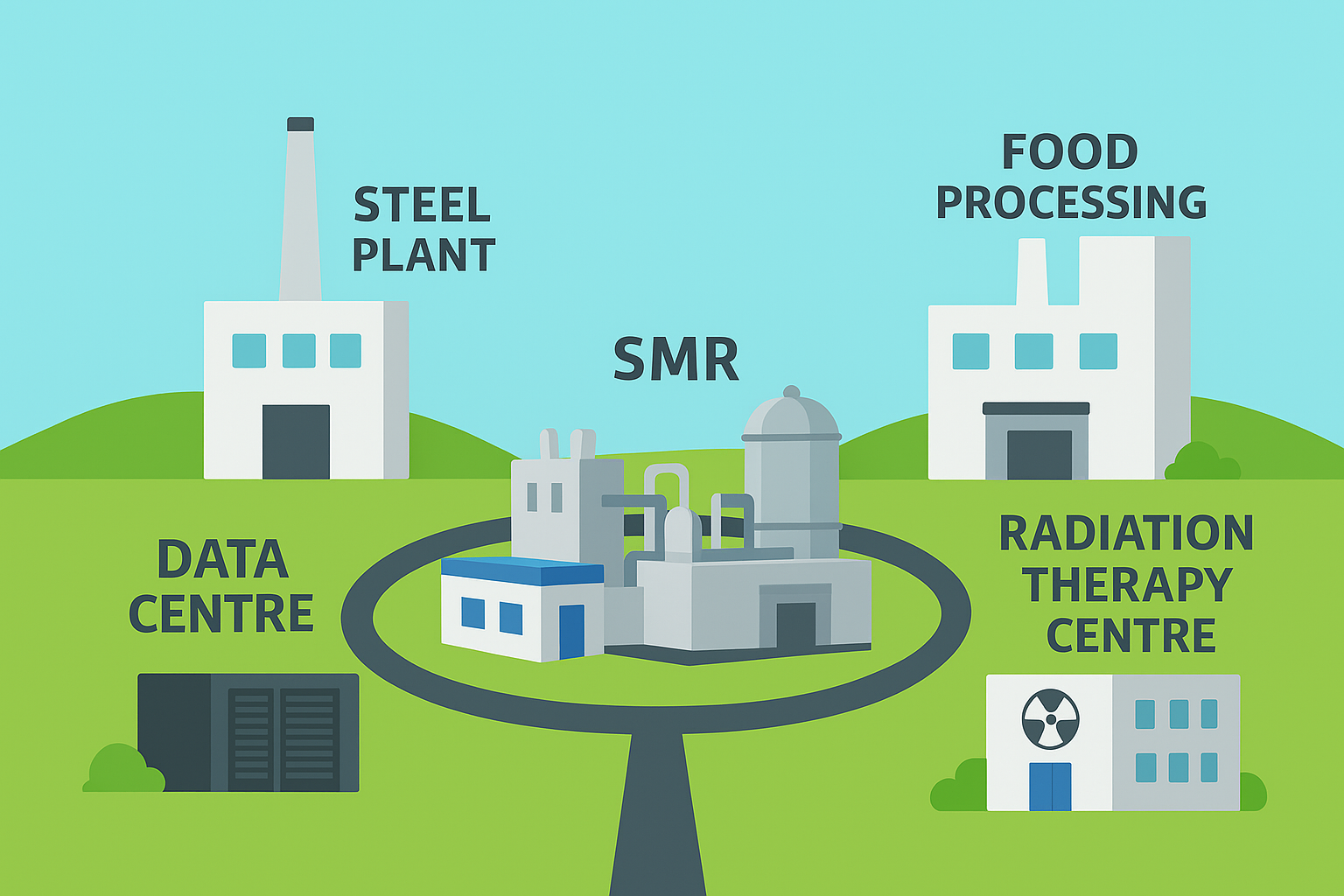
In a new Sustainable Solutions brief, VCDNP experts explain key features of SMRs and explore how SRMs could open the door to nuclear power for developing countries.
A new Toda Peace Institute paper by John Carlson and John Tilemann warns that nuclear arms control is collapsing and calls on Asia–Pacific nations to take a lead in rebuilding the framework for restraint and dialogue.
In the first brief of the new Emerging Tech series, Senior Fellow Dr. Sarah Case Lackner and AI researcher Zaheed Kara explain the origins, benefits, shortcomings, and potential future developments of AI models and systems.
In two papers, Research Fellow Louis Reitmann provides a summary of multilateral processes for PAROS since 1978 and proposes a results-oriented and form-flexible approach to boost space threat reduction.
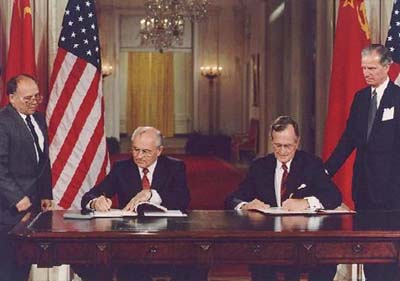
VCDNP Senior Fellow Dr. Nikolai Sokov reflects on lessons about arms control from the 1970s and 1980s in a short paper. Some lessons learned then could be usefully applied to the present day, others were missed and need to be re-learned.
In a new brief under the Governing the Atom series, Research Fellow Louis Reitmann summarises the origins, purpose, functioning, and challenges of the Nuclear Suppliers Group, marking the 50th anniversary of its first meeting in 1975.
In this edition of the Governing the Atom brief series, Senior Research Associate Noah Mayhew and Senior Fellow Dr. Nikolai Sokov describe the development of the principle of irreversibility in nuclear disarmament.
VCDNP experts Dr. Sarah Case Lackner and Mara Zarka authored a report on AI-driven changes to the nuclear security landscape and the supply chain for nuclear facilities, featuring insights from a workshop with AI, nuclear security, and supply chain experts.
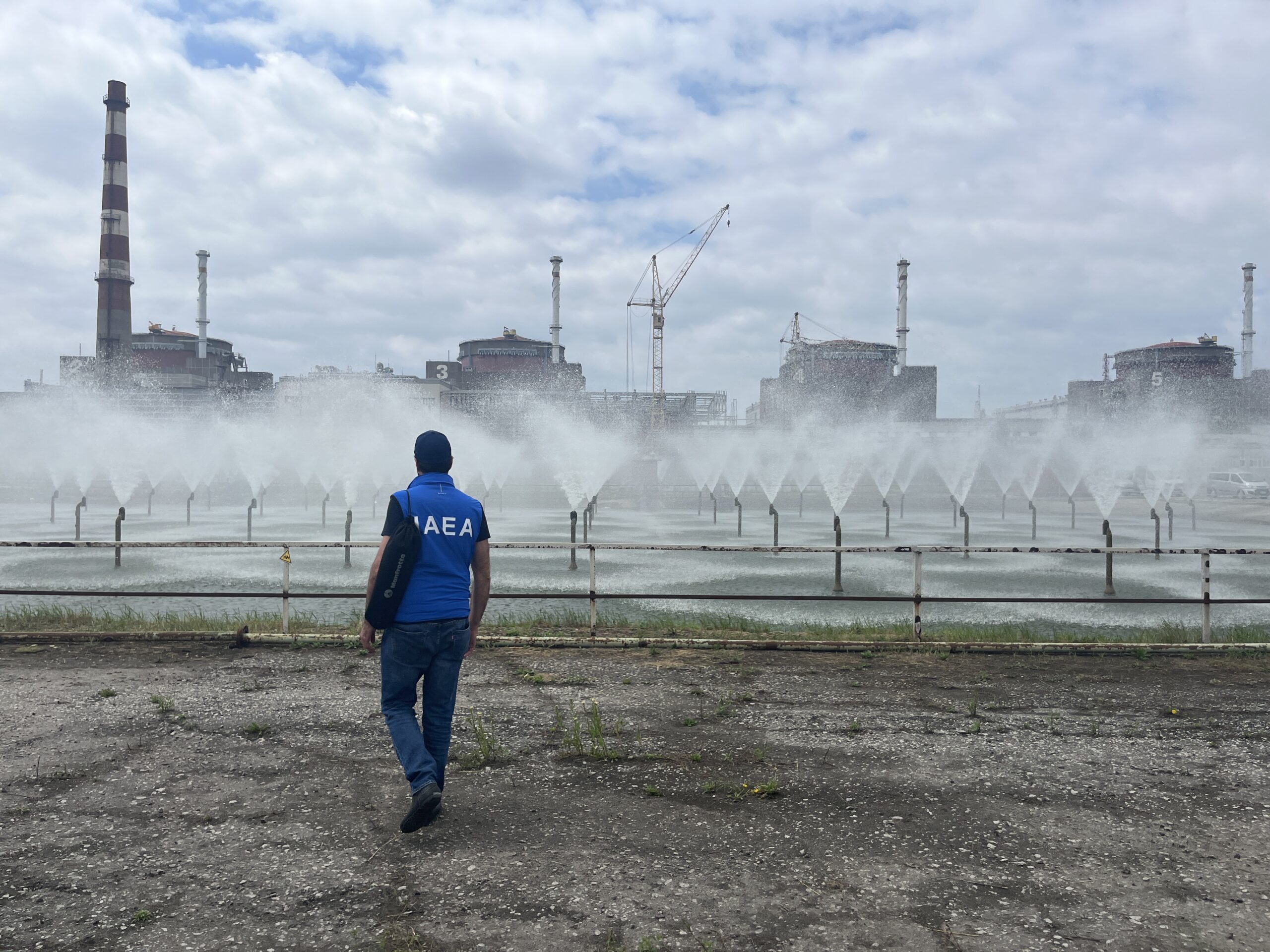
VCDNP Senior Research Associate Noah Mayhew examines the international frameworks prohibiting attacks on nuclear facilities and proposes practical measures to strengthen these prohibitions in a newly published paper.
To provide the best experiences, we use technologies like cookies to store and/or access device information. Consenting to these technologies will allow us to process data such as browsing behavior or unique IDs on this site. Not consenting or withdrawing consent, may adversely affect certain features and functions.
Functional Always active
The technical storage or access is strictly necessary for the legitimate purpose of enabling the use of a specific service explicitly requested by the subscriber or user, or for the sole purpose of carrying out the transmission of a communication over an electronic communications network.
Preferences
The technical storage or access is necessary for the legitimate purpose of storing preferences that are not requested by the subscriber or user.
Statistics
The technical storage or access that is used exclusively for statistical purposes.The technical storage or access that is used exclusively for anonymous statistical purposes. Without a subpoena, voluntary compliance on the part of your Internet Service Provider, or additional records from a third party, information stored or retrieved for this purpose alone cannot usually be used to identify you.
Marketing
The technical storage or access is required to create user profiles to send advertising, or to track the user on a website or across several websites for similar marketing purposes.