


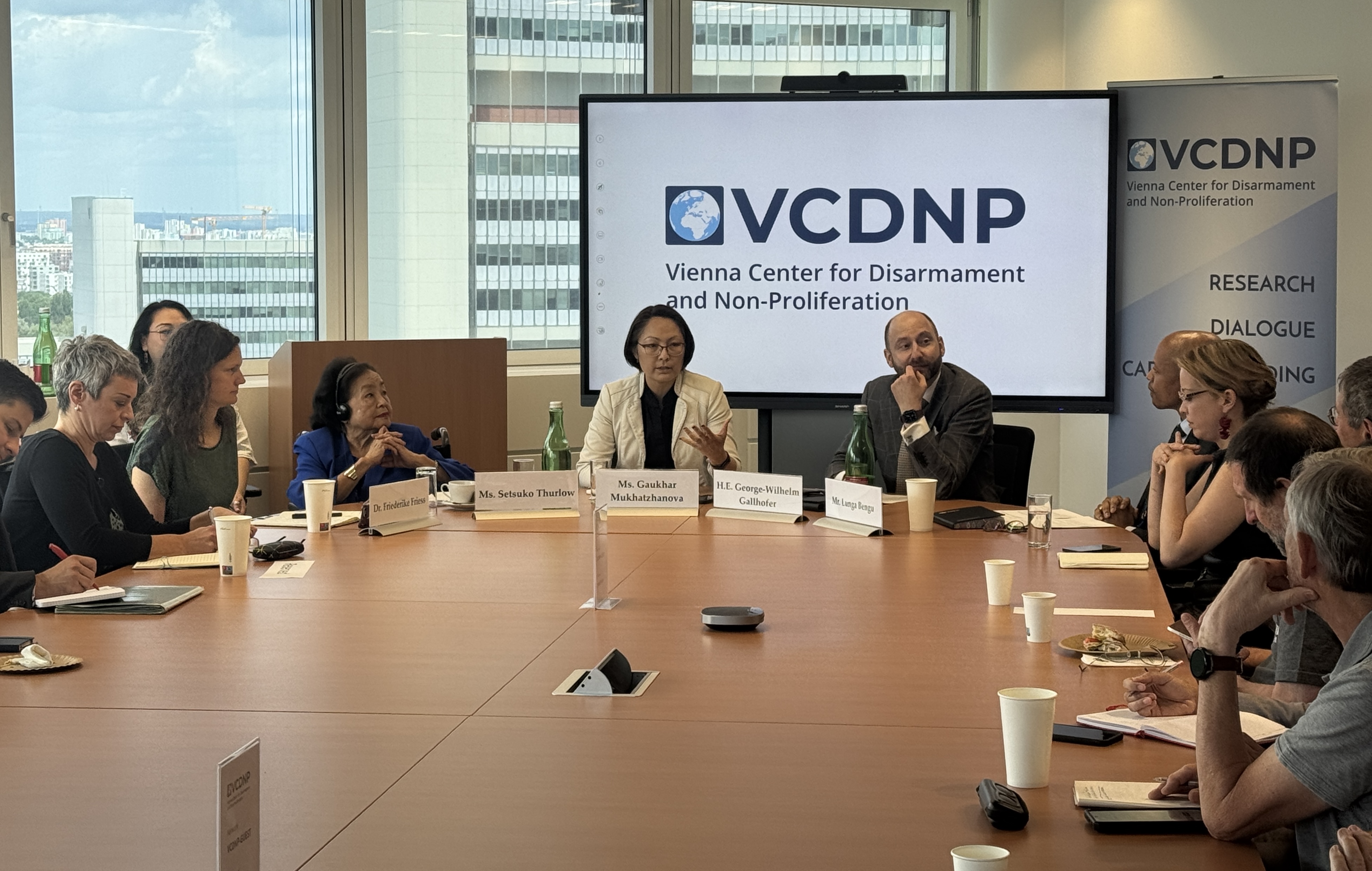
On 17 June 2026, the VCDNP hosted a panel discussion on priorities and expectations for the first Review Conference of the Treaty on the Prohibition of Nuclear Weapons (TPNW), scheduled to take place in New York from 30 November to 4 December 2026. The Panellists discussed the goals and expected outcomes of the Conference and how the growing body of knowledge about the consequences of nuclear weapons use can underpin disarmament efforts. The event featured opening remarks by Ms. Setsuko Thurlow, a survivor of the atomic bombing of Hiroshima and a renowned nuclear disarmament campaigner.

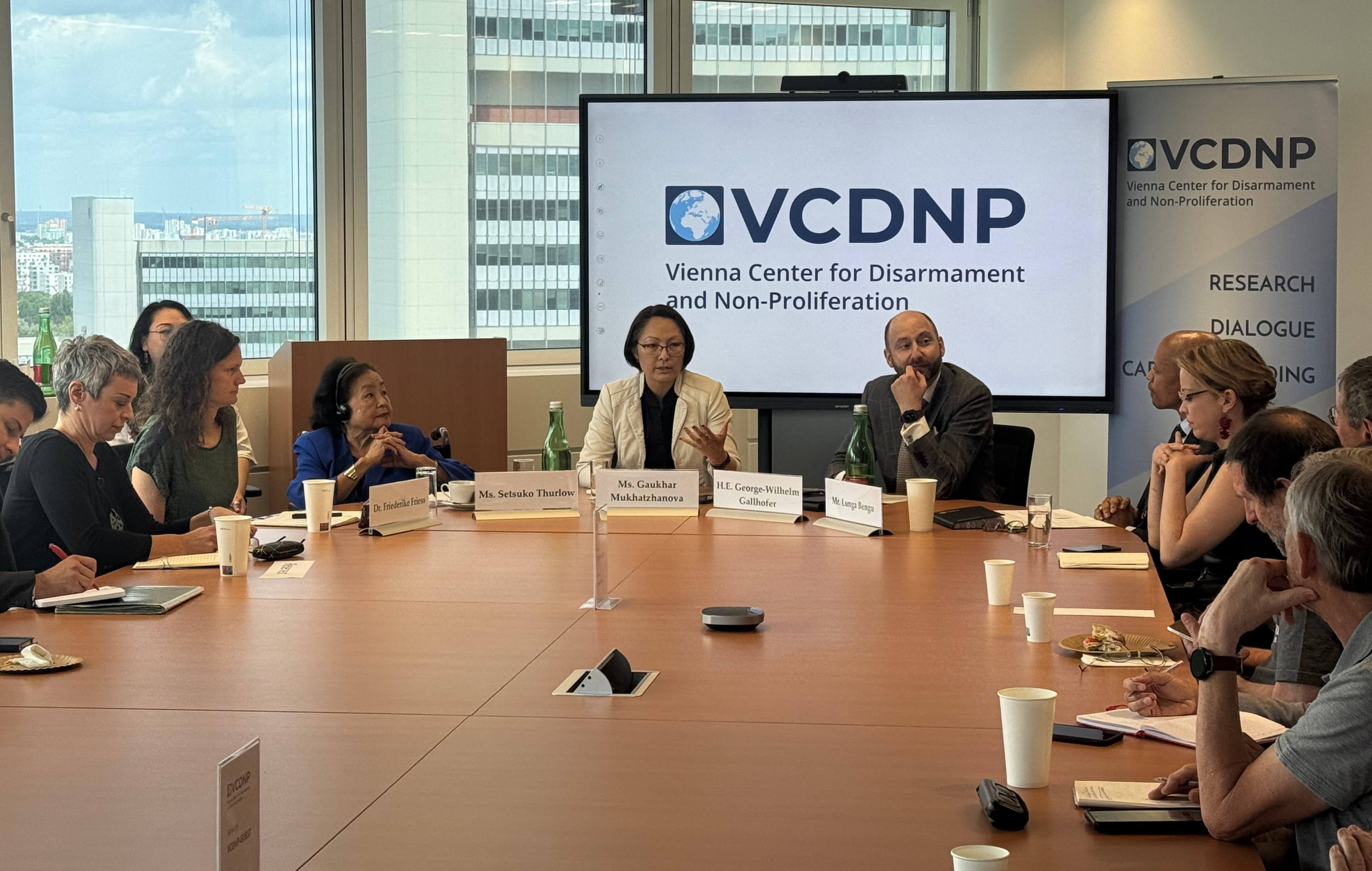
The panellists included:
- Mr. Lunga Bengu, Deputy Permanent Representative of South Africa to the International Organizations in Vienna, on behalf on Ambassador Xolisa Mabhongo, President of the First TPNW Review Conference
- Ambassador George-Wilhelm Gallhofer, Head of Disarmament, Arms Control and Non-Proliferation at Austria’s Federal Ministry for European and International Affairs
- Dr. Friederike Friess, Senior Scientist, Institute for Safety and Risk Sciences, BOKU University, member of the Scientific Panel of Experts on the Effects of Nuclear War and the scientific network of the TPNW
Ms. Gaukhar Mukhatzhanova, the VCDNP’s Japan Chair for a World without Nuclear Weapons, moderated the event.
The discussion opened with the recognition that the international security landscape is undergoing a period of significant strain, characterised by heightened geopolitical tensions, ongoing conflicts with global implications, and associated growth in the salience of nuclear weapons. In such a context, the first TPNW Review Conference offers an opportunity to both review the implementation of the treaty and re-centre the discussion of the humanitarian consequences of nuclear weapons.

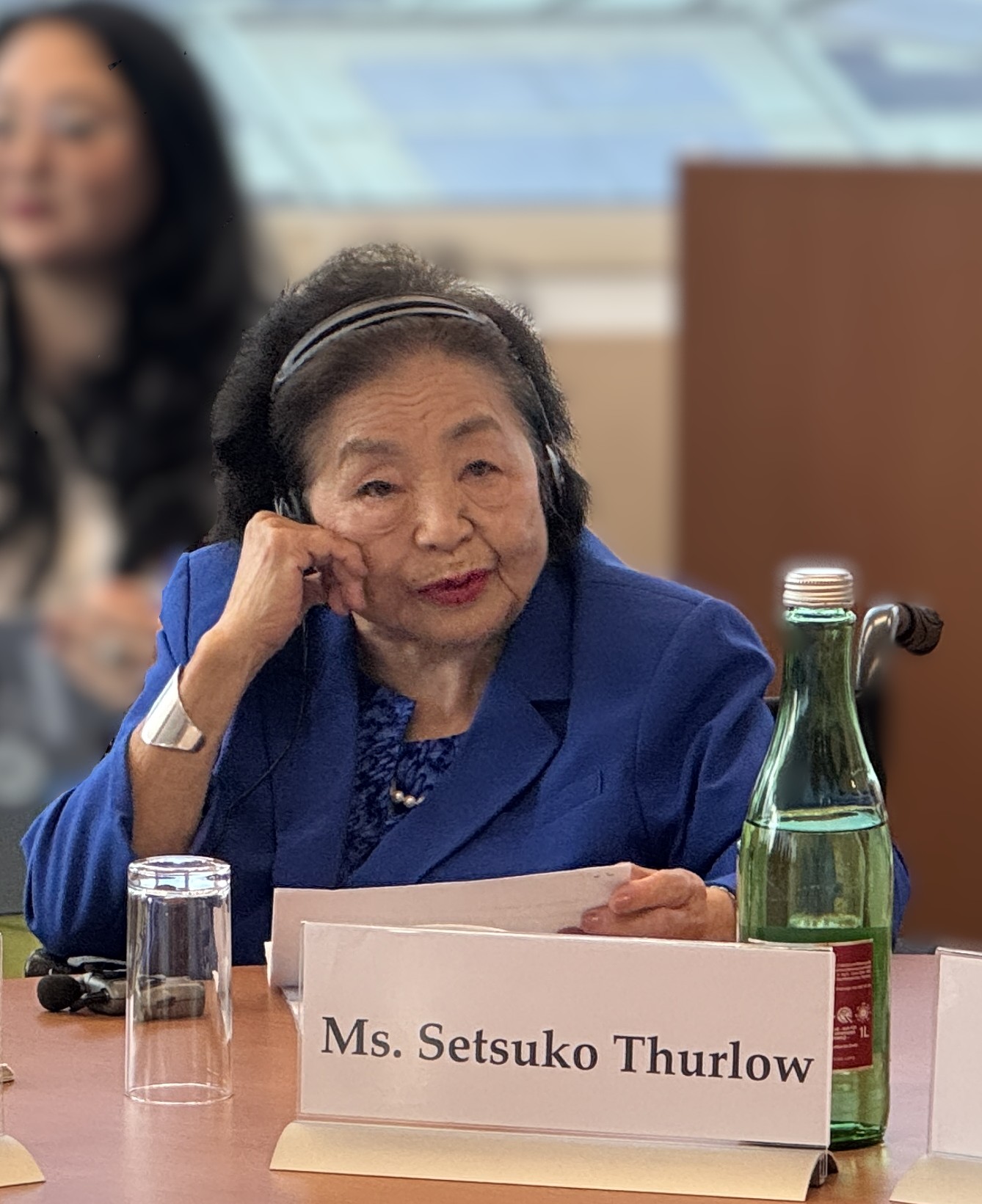
Ms. Thurlow delivered a moving testimony recounting her experience of surviving, as a 13-year-old schoolgirl, the atomic bombing of Hiroshima on 6 August 1945. She recalled that 351 girls from her school and nine members of her family were among tens of thousands killed in the blast that day. Tens of thousands more people in Hiroshima died subsequently from the effects of radiation. Their collective experience, Ms. Thurlow stated, was the source of the Hibakusha conviction “that no person should ever experience this inhumanity and only total elimination of nuclear weapons could guarantee human security.”
Noting the heightened tensions among nuclear-weapon States, modernisation of arsenals, increasing military spending and growing role of nuclear weapons in security policies, she expressed concern about such “profoundly dangerous cycle.” In this context, Ms. Thurlow described the TPNW as an important instrument that rejects the legitimacy of nuclear weapons and reframes them not as symbols of prestige and stability, but as an unacceptable humanitarian threat. She underscored that challenging the political legitimacy of nuclear weapons is essential for their elimination. Ms. Thurlow also stressed the urgency of generational transition in the disarmament movement, as the number of hibakusha able to testify about their experience diminishes. She called on young people “not to succumb to indifference.”

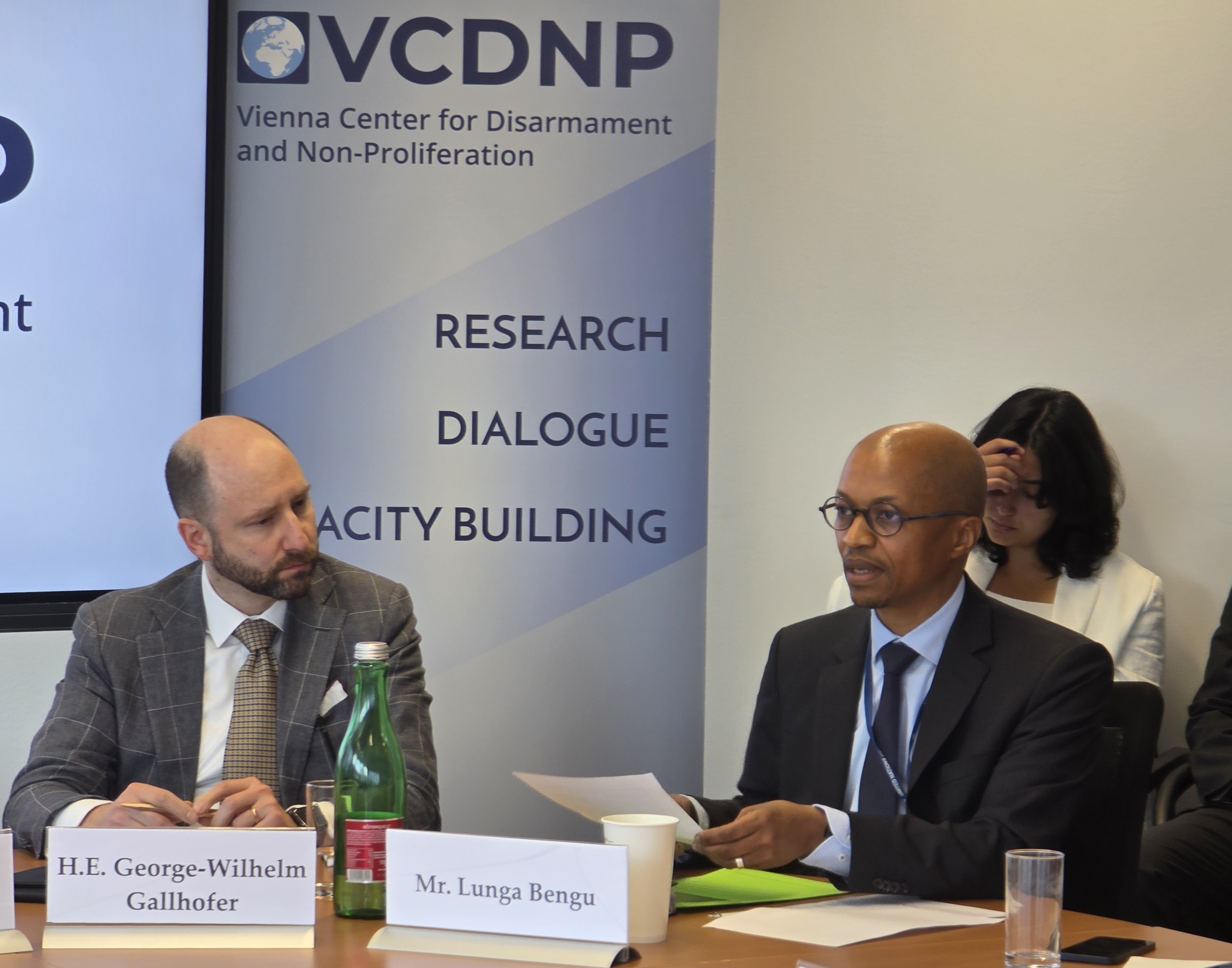
Speaking on behalf of Ambassador Xolisa Mabhongo, President of the First TPNW Review Conference, Mr. Lunga Bengu stated that the current geopolitical environment makes the first TPNW Review Conference especially timely and necessary for States Parties to strengthen the implementation of the treaty and contribute meaningfully to the global agenda. Mr. Bengu highlighted three central goals for the conference: a political declaration reaffirming the humanitarian consequences of nuclear weapons; a review of the implementation of the treaty and the Vienna Action Plan, including progress of the work of the Scientific Advisory Group, a mechanism for victim assistance, designating a competent international authority for verification under Article 4; and advancing treaty universalisation.
Ambassador George-Wilhelm Gallhofer outlined Austria’s priorities for the TPNW Review Conference, focusing on an honest and substantive review of the Vienna Action Plan, adopted at the First Meeting of States Partiesin 2022. He emphasised that the Action Plan was not designed to sit on a shelf, and that the Review Conference offers a genuine opportunity to assess what has worked in the inter-sessional process and what should be adapted. On universalisation, he encouraged states not yet party to participate in the Conference as observers, stressing that doing so would not constitute endorsement of the treaty. He underscored that the 2025 report on security concerns of TPNW States parties represents a serious engagement with critics’ arguments and articulation of concerns about the unreliability of nuclear deterrence and the consequences of any nuclear detonation.

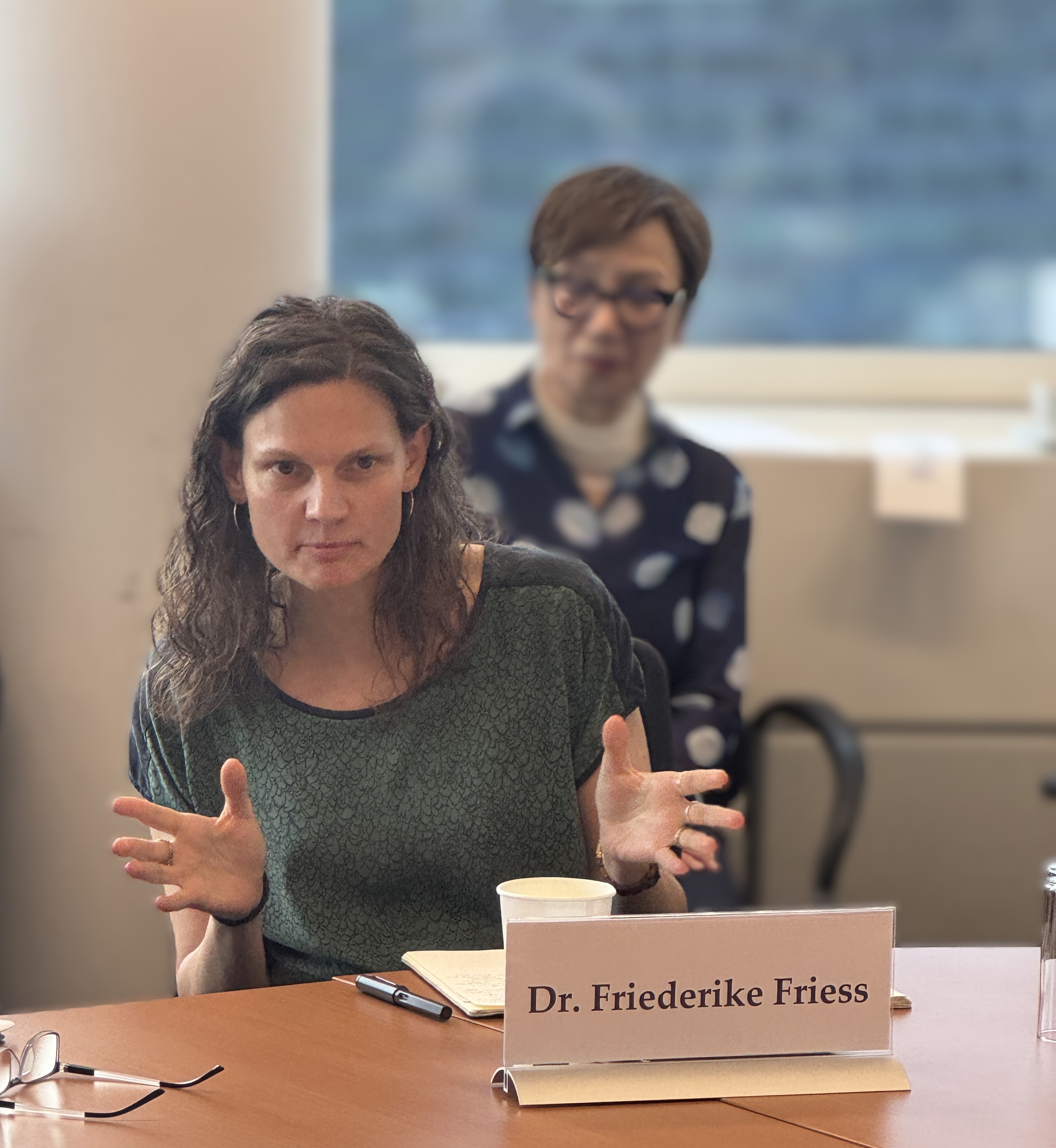
Dr. Friederike Friess introduced the Scientific Panel of Experts on the Effects of Nuclear War, established by the UN General Assembly in 2024, with a comprehensive report due in 2027. Drawing on peer-reviewed science, the Panel’s three working groups study the physical effects of nuclear explosions (single or multiple), the direct impacts on populations, ecosystems, agriculture, and animal health, and the cascading economic, financial, societal, and governance impacts, including the effects on interdependent critical infrastructure systems. Dr. Friess emphasised the importance of countering the framing of “limited” or “tactical” nuclear exchanges as having contained consequences, and described the Panel’s goal of providing rigorous scientific evidence that even a small-scale nuclear conflict would produce catastrophic global effects.
The panel concluded with an engaging Q&A session covering themes including the scientific community’s role at the TPNW Review Conference, strategies for challenging the perceived legitimacy of nuclear weapons in national security doctrines, the societal impacts of nuclear weapons use, the possibility of drawing on verification expertise residing in nuclear-weapon states, and approaches to nuclear disarmament education for new generations.