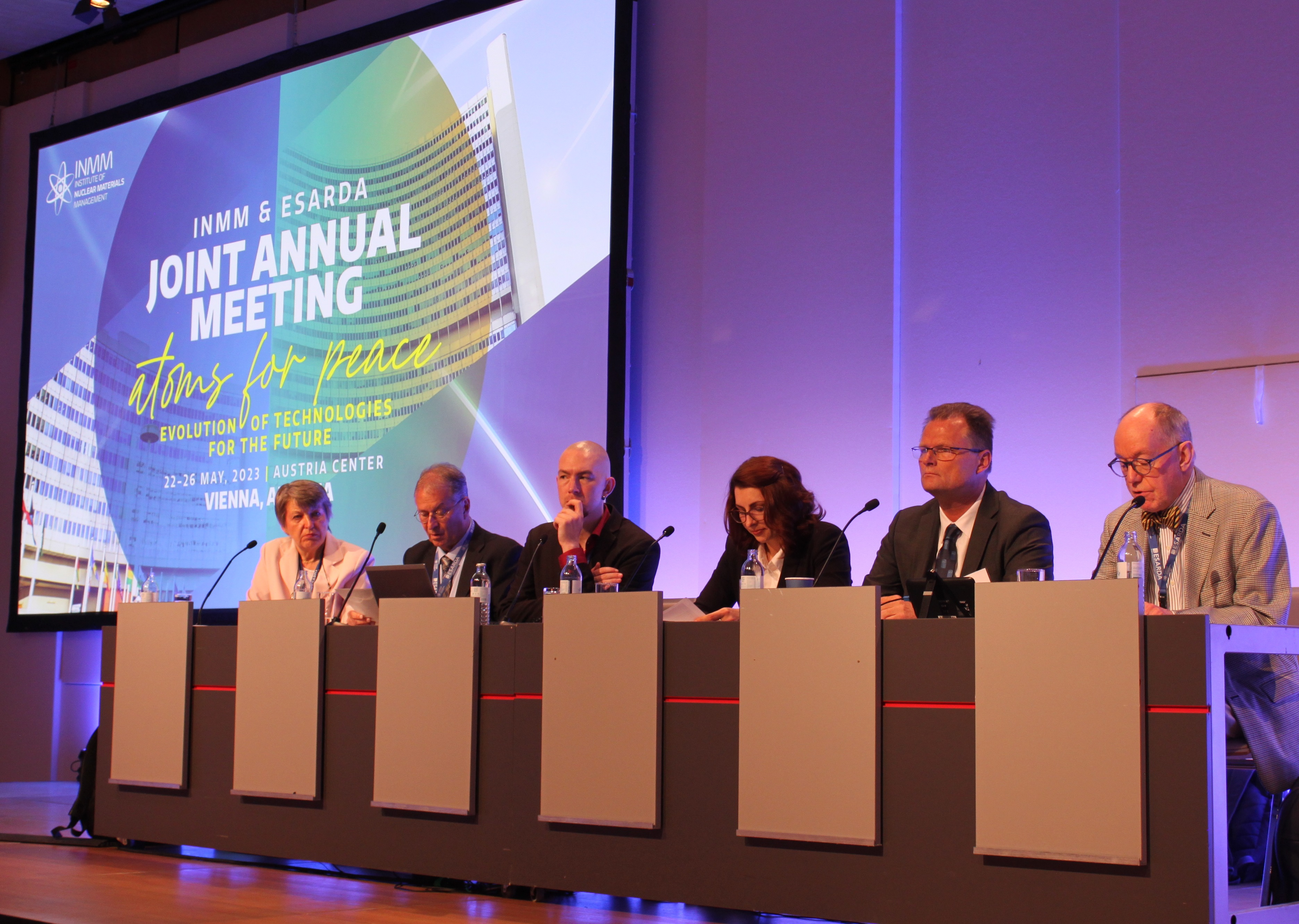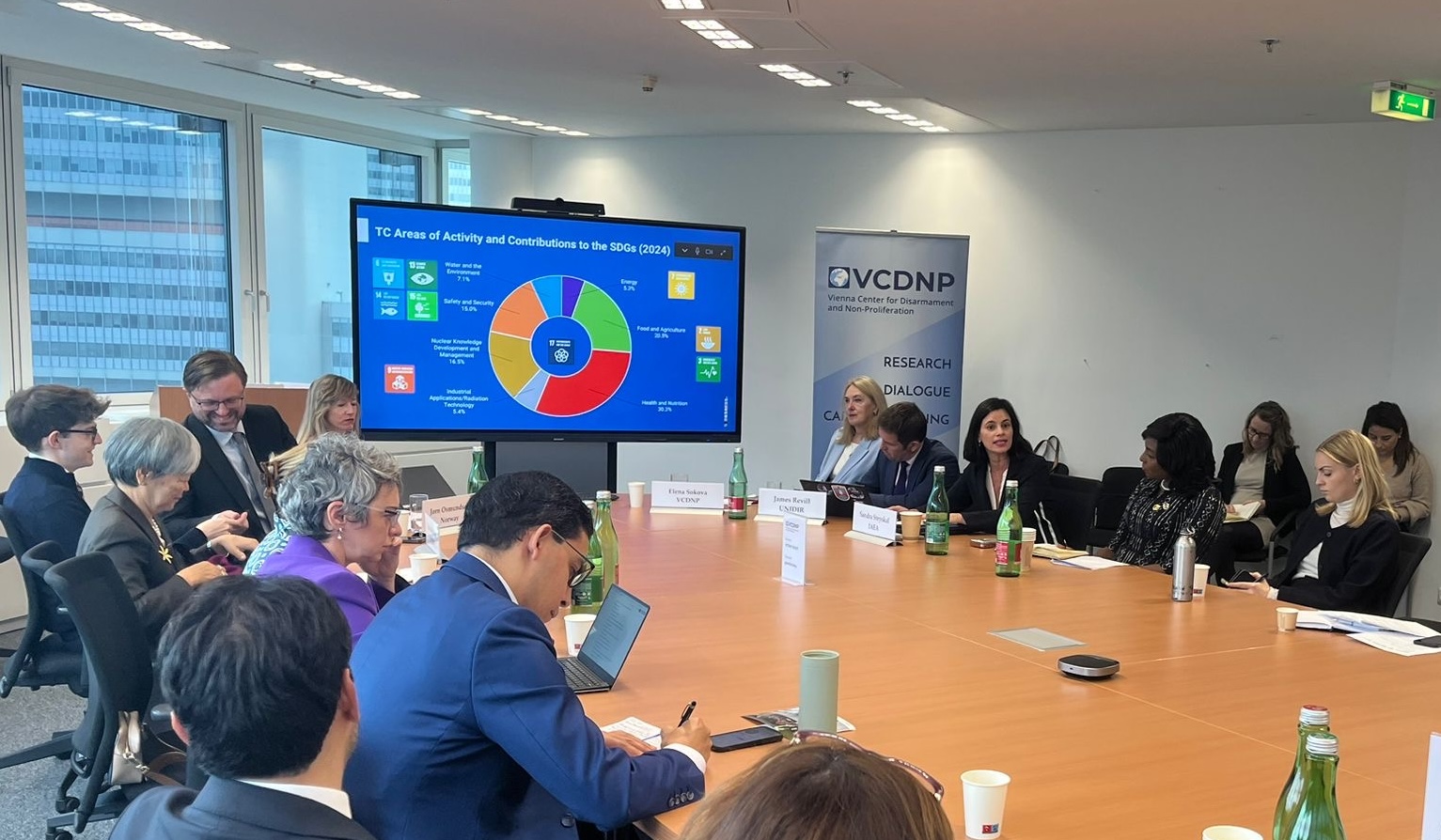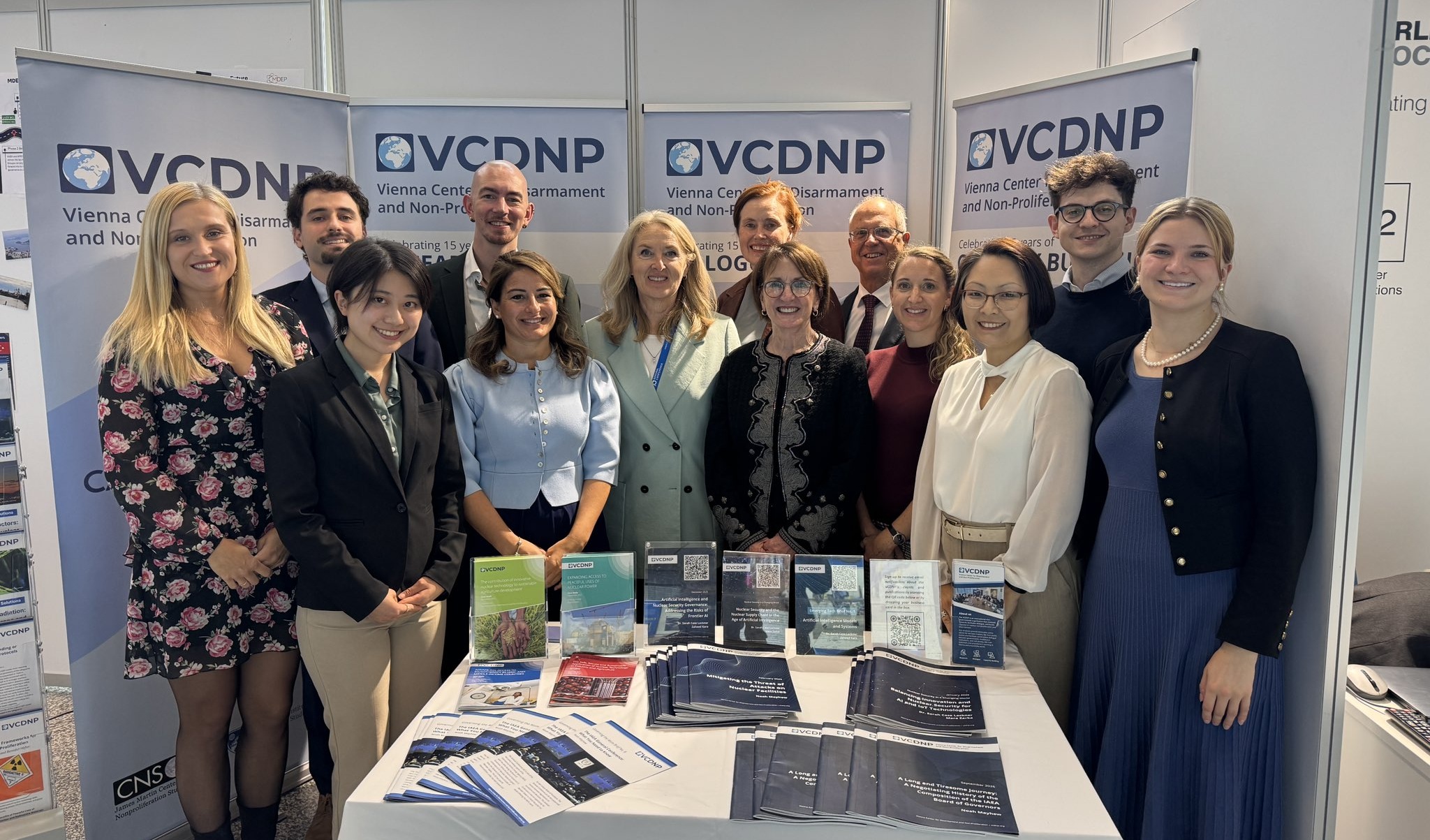
The International Atomic Energy Agency (IAEA) held its annual General Conference (GC) from 14 to 18 September 2026. A VCDNP delegation actively participated in the conference, speaking during one side event and co-organising another with the Austrian Federal Ministry for European and International Affairs.
Attacks Against Nuclear Facilities: Legal, Normative and Scientific Perspectives
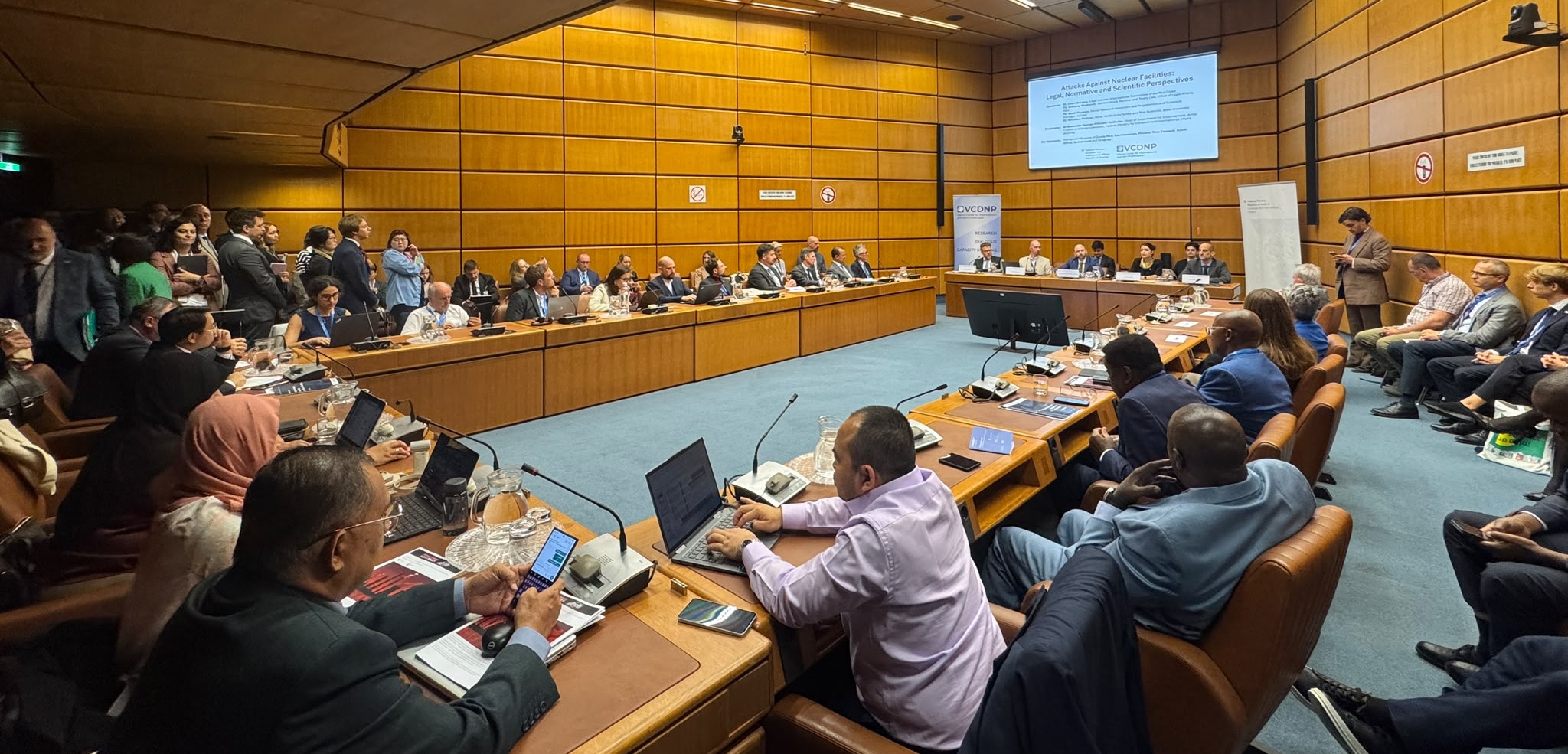
The VCDNP and the Austrian Federal Ministry for European and International Affairs co-organised and co-hosted the side event “Attacks Against Nuclear Facilities: Legal, Normative and Scientific Perspectives”, moderated by Ambassador George‑Wilhelm Gallhofer (BMEIA). Speakers included:
The discussion explored existing international legal protections for nuclear facilities, challenges to implementation, and the growing risks posed by attacks during armed conflict, including potential cross‑border radiation releases affecting civilians and the environment, as well as suggestions for avenues to relevant improvements.
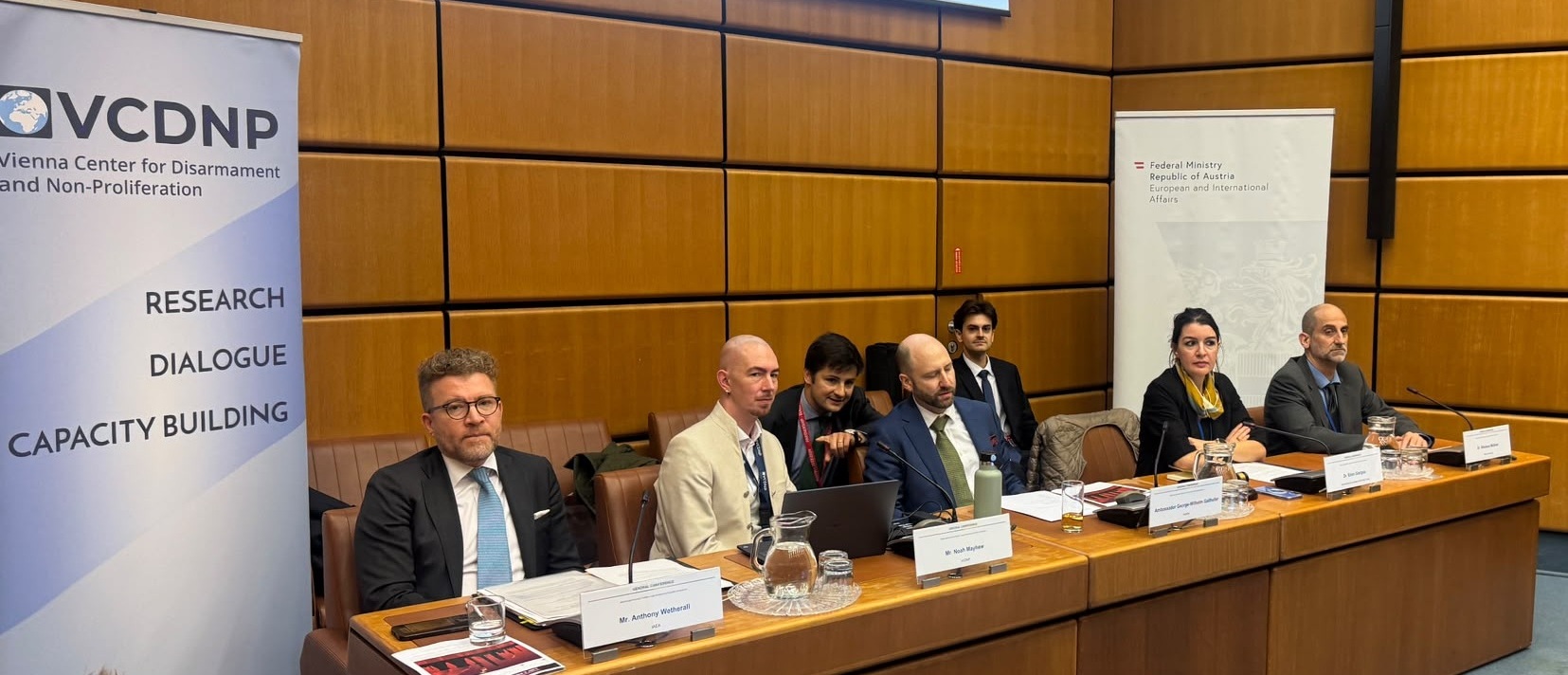
Dr. Giorgou outlined the International Humanitarian Law (IHL) framework, stressing that nuclear power plants are civilian objects unless they contribute effectively to the fighting, and may only become lawful targets of attack in very exceptional circumstances. Their special protection also extends to surrounding infrastructure, and States must avoid militarising nuclear sites, ensure staff can operate safely, and treat shutdown procedures as a last resort. She called for establishing and respecting demilitarised zones and expanding protection beyond nuclear power plants to all facilities handling nuclear material.
Mr. Wetherall outlined the IAEA’s legal, institutional and technical role emphasising that the legal and Agency framework already exists and that the immediate priority is its effective implementation by all. He highlighted the IAEA Safety Standards and Nuclear Security Guidance and, in the context of armed conflict, the IAEA’s Seven Indispensable Pillars and Five Concrete Principles, as the framework for the Agency’s practical assessments, assistance and reporting. He noted broad international support for the Agency’s independent and impartial technical role.
Dr. Müllner noted that, up to now, efforts to address safety of nuclear power plants in war zones have focused on safety of operation and that it may be warranted to also address the design of nuclear power plants in the context of combat situations. He added that facilities remain vulnerable during conflicts, particularly exposed systems such as steam lines and valves. In the event of a severe accident, the amount of radioactive material released could span a broad range, possibly similar to known accident sequences like station blackout. However, direct deliberate attacks on a reactor could lead to completely new release patterns.
Finally, Mr. Mayhew examined diplomatic and policy tools for strengthening the norm against attacks on nuclear facilities. He highlighted mutual non-attack agreements, the expansion of nuclear-weapon-free zones protocols, and greater understanding of international law and IAEA competencies. He also emphasised the role of the IAEA’s Incident and Emergency Response Centre in emergency preparedness through training, simulations, and capacity building, noting that joint exercises foster cooperation. He called on Member States to protect the IAEA’s neutrality by limiting political interference.
The event was co‑sponsored by the Permanent Missions of Costa Rica, Liechtenstein, Mexico, New Zealand, South Africa, Switzerland, and Uruguay. Representatives from these diplomatic missions also delivered national statements underscoring the significance of the topic and reaffirming their countries’ commitment to addressing the risks associated with attacks on nuclear facilities.
Facilitating the Early Entry into Force of the IAEA Article VI Amendment
Senior Fellow Laura Rockwood spoke at “Facilitating the Early Entry into Force of the IAEA Article VI Amendment”. She explained that Article VI of the IAEA Statute determines the composition of the Board of Governors, distinguishing between members designated by the Board and those elected by the General Conference. Although the Board has formally comprised 35 members since 1990, she noted that this number is not explicitly stated in the Statute but is inferred from its provisions and established practices.
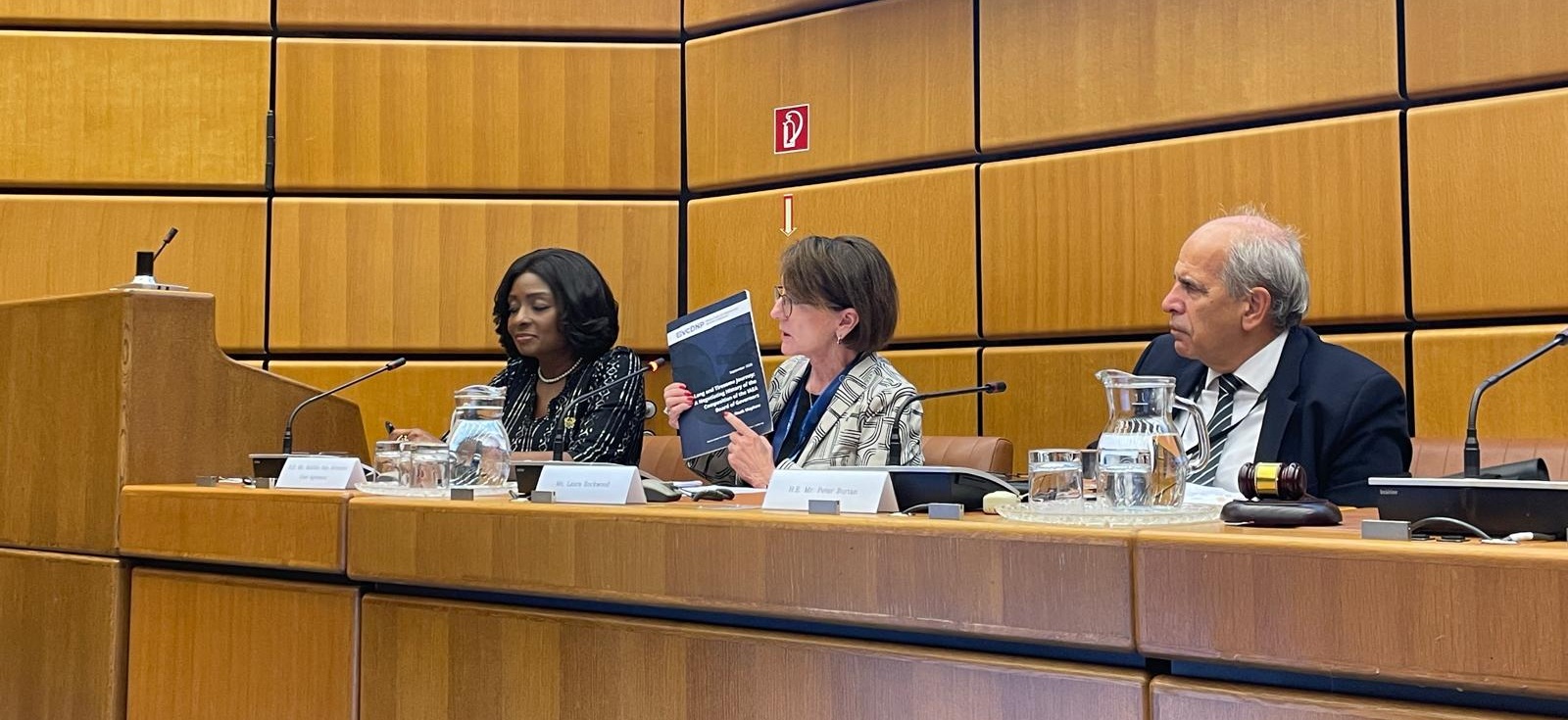
Ms. Rockwood explained how informal understandings among Member States have shaped the way designated seats are allocated in different areas, and how these arrangements had to adapt as the Agency’s membership grew. This led to successive amendments that entered into force in 1963, 1973, and 1990 to expand the Board. She recalled that further negotiations in the 1990s focused on balancing the efficiency of the Board’s work with equitable representation, on whether to formalise rotation practices, and on the role of area groupings. The eventual compromise was the 1999 amendment, which would add eight seats to the Board upon entry into force. For an amendment to the Statute to enter into force, two thirds of the Board and the General Conference must adopt it. For this amendment to enter into force, an additional requirement was included: a list of all Member States, in which each Member State is included in an area group, must be approved in the Board and the General Conference by 90 percent of Member States present and voting in both fora.
As the amendment has not yet entered into force and IAEA membership has grown substantially since 1999, she stressed the importance of bringing the amendment into force to ensure that the Board of Governors continues to reflect the Agency’s expanding membership and operates effectively.
Ms. Rockwood also discussed the latest publication by Senior Research Associate and the VCDNP’s Programmes and Outreach Manager Noah Mayhew: “A Long and Tiresome Journey: A Negotiating History of the Composition of the IAEA Board of Governors”.