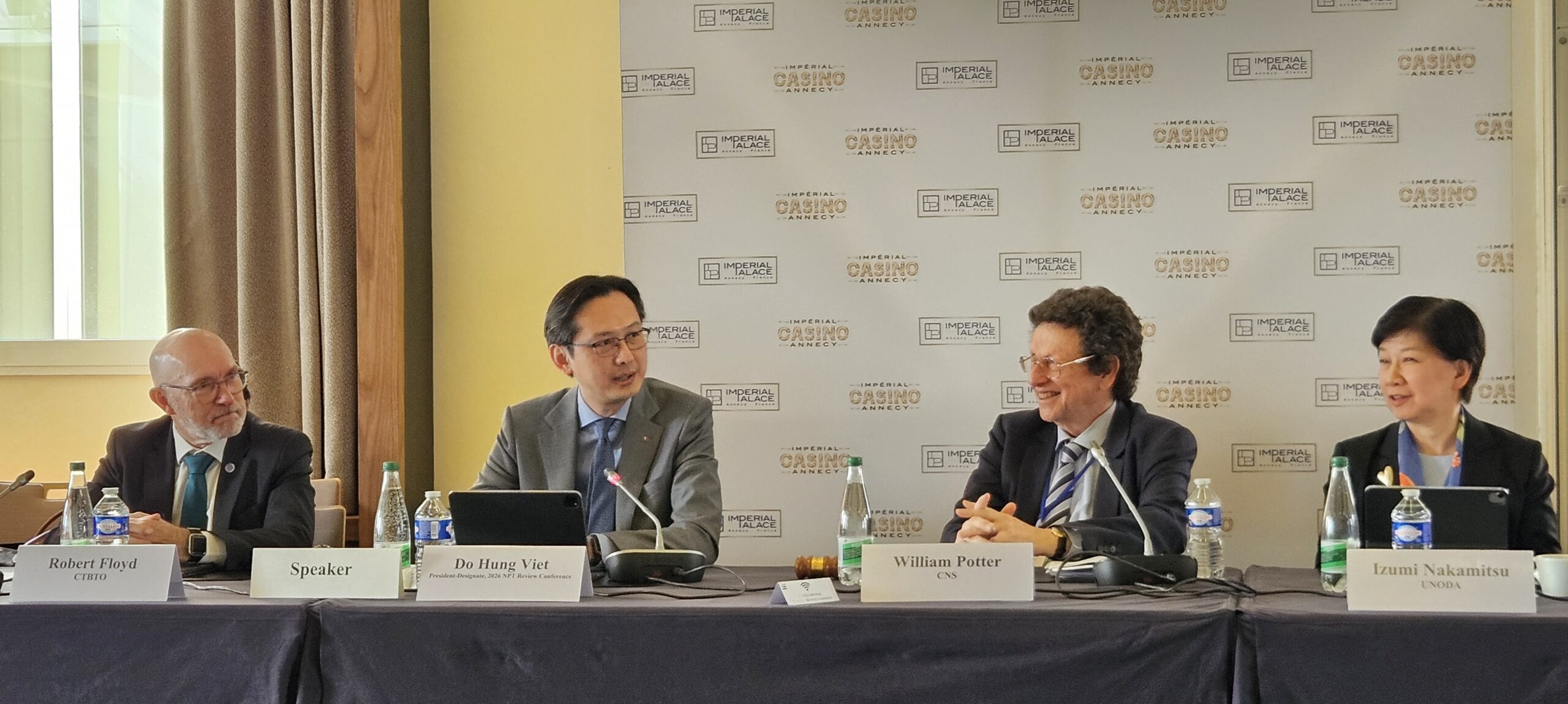
On 5-6 March 2026, the VCDNP and the James Martin Center for Nonproliferation Studies (CNS) convened a diplomatic workshop in Annecy, France, to discuss priorities and possible solutions for the 11th Review Conference of the Treaty on the Non-Proliferation of Nuclear Weapons (NPT), which will take place on 27 April-22 May in New York.
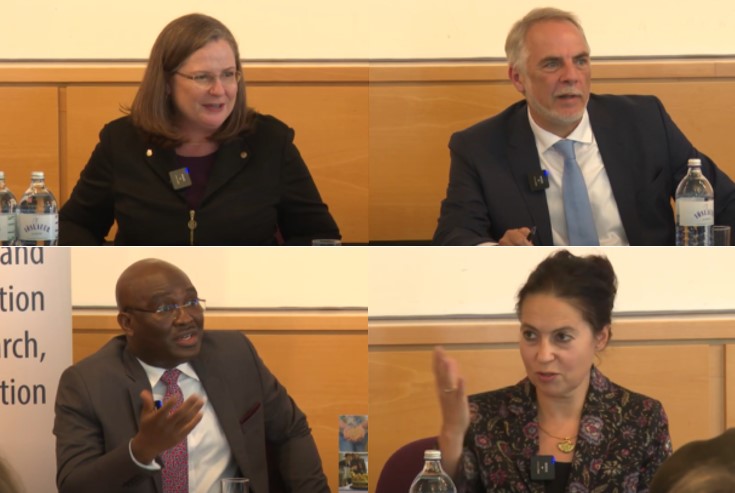
The meeting brought together senior diplomats from more than 30 States parties, headsand senior representatives of international organisations, and select non-governmental experts. UN Under-Secretary-General and High Representative for Disarmament Affairs Izumi Nakamitsu, President-Designate of the 2026 Review Conference Ambassador Do Hung Viet, Executive Secretary of the Comprehensive Test-Ban-Treaty Organisation Dr. Robert Floyd, and incoming chairs of the three Main Committees of the Review Conference were among the participants.
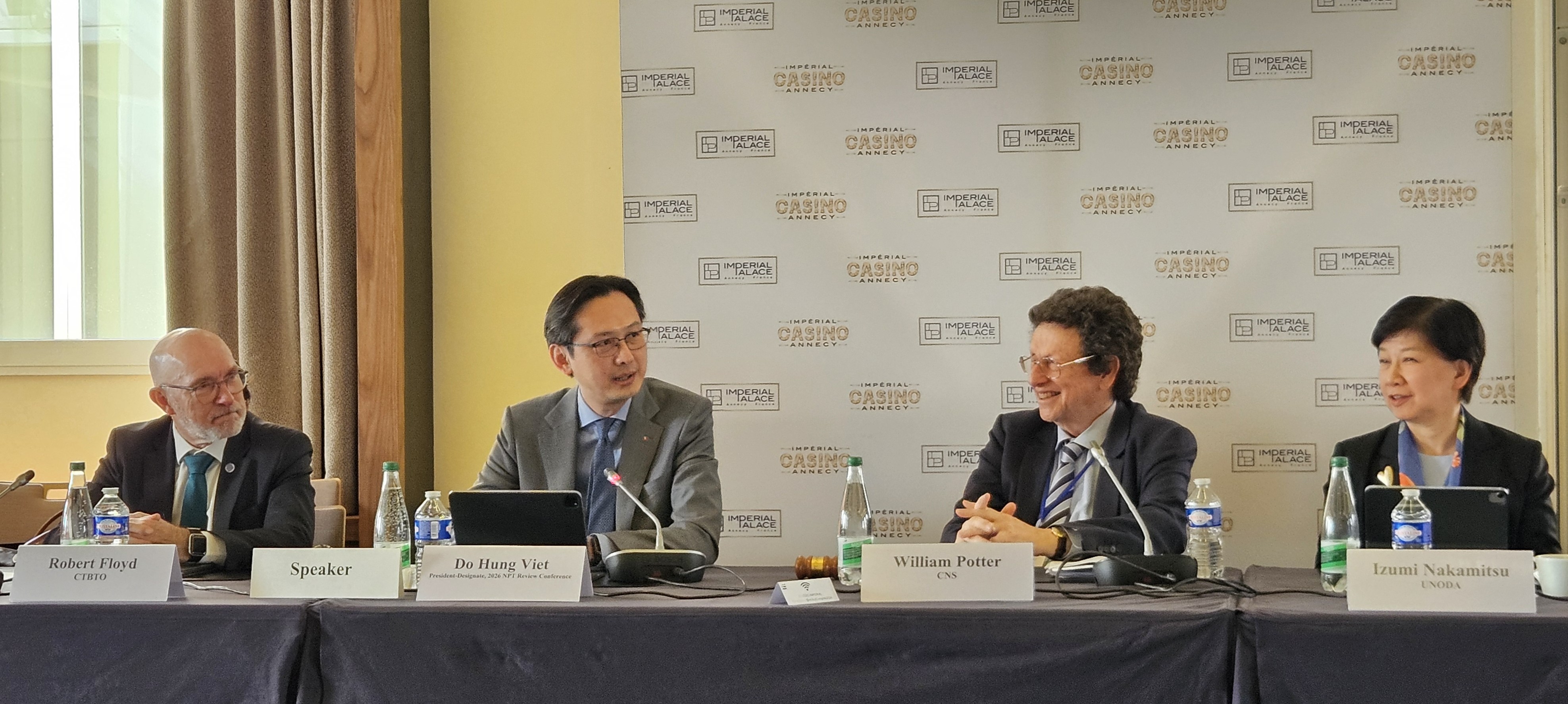
The workshop was held against the backdrop of a rapidly deteriorating international security environment, with participants acknowledging the increasingly difficult geopolitical context in which the upcoming Review Conference will take place. The meeting provided an opportunity for participants to share their views on the prospects for the 2026 Review Conference and discuss pragmatic approaches to achieving a consensus outcome.Workshop participants underscored the importance of reaffirming the Treaty and past Review Conference commitments at the starting point for a conference outcome.
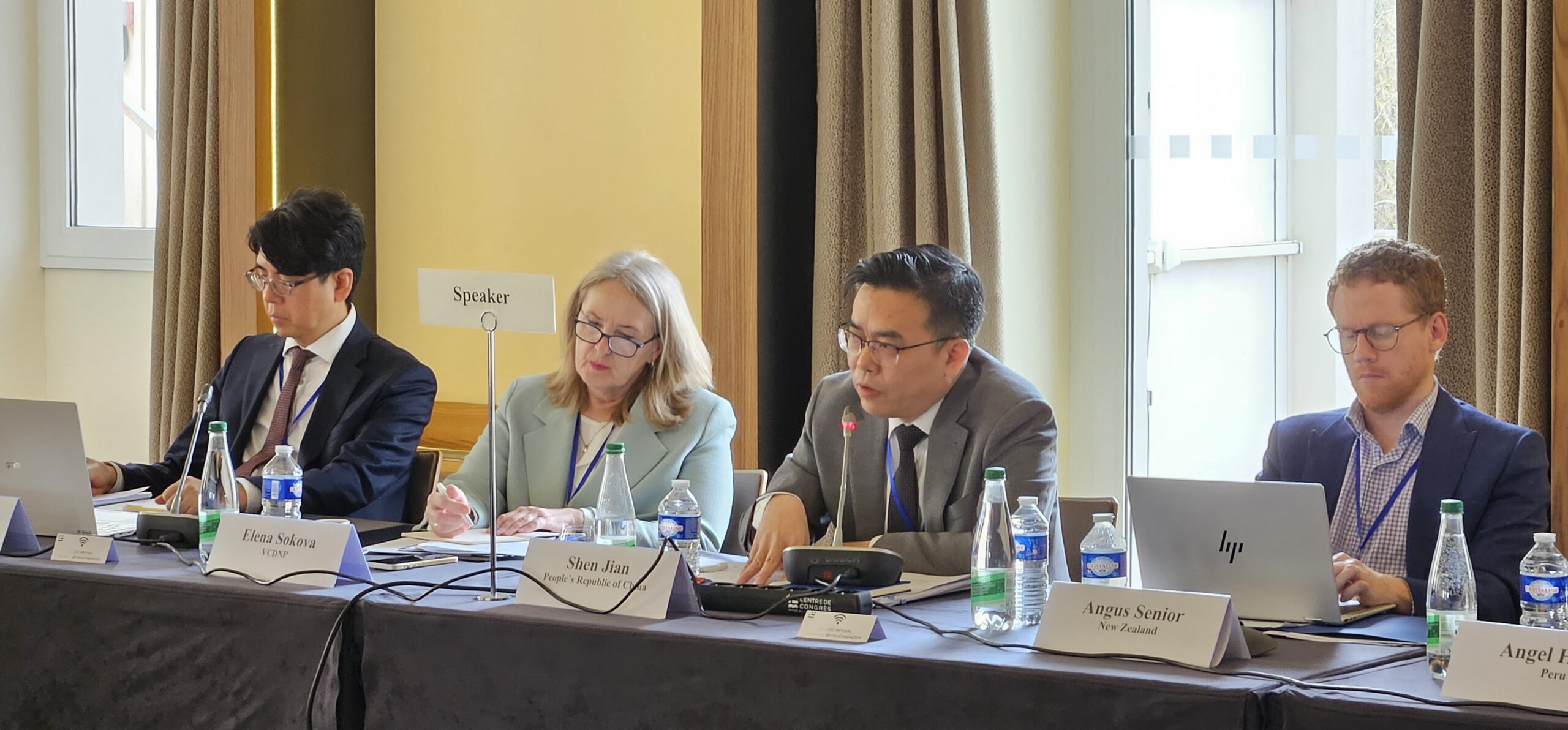
Addressing implementation of Article VI, participants noted that the 2026 Review Conference will be the first to take place in the absence of any nuclear arms control agreements in force or under negotiation, following the expiration of New START treaty. In this context, discussions considered the implications for international security and the NPT regime, the current state of dialogue among the nuclear-weapon States (NWS), and possible forward-looking steps that could contribute to reducing the risk of nuclear weapons use.
Discussions on non-proliferation centred on the implementation of IAEA safeguards and implications of the growing interest in nuclear power and new nuclear technologies worldwide, compliance issues, and emerging proliferation concerns. Several participants highlighted North Korea’s nuclear weapons buildup as a continued challenge to the NPT and emphasized the need for the Review Conference to address the issue. The workshop also addressed other regional issues, including approaches to discussions on establishing a weapons of mass destruction-free zone in the Middle East.
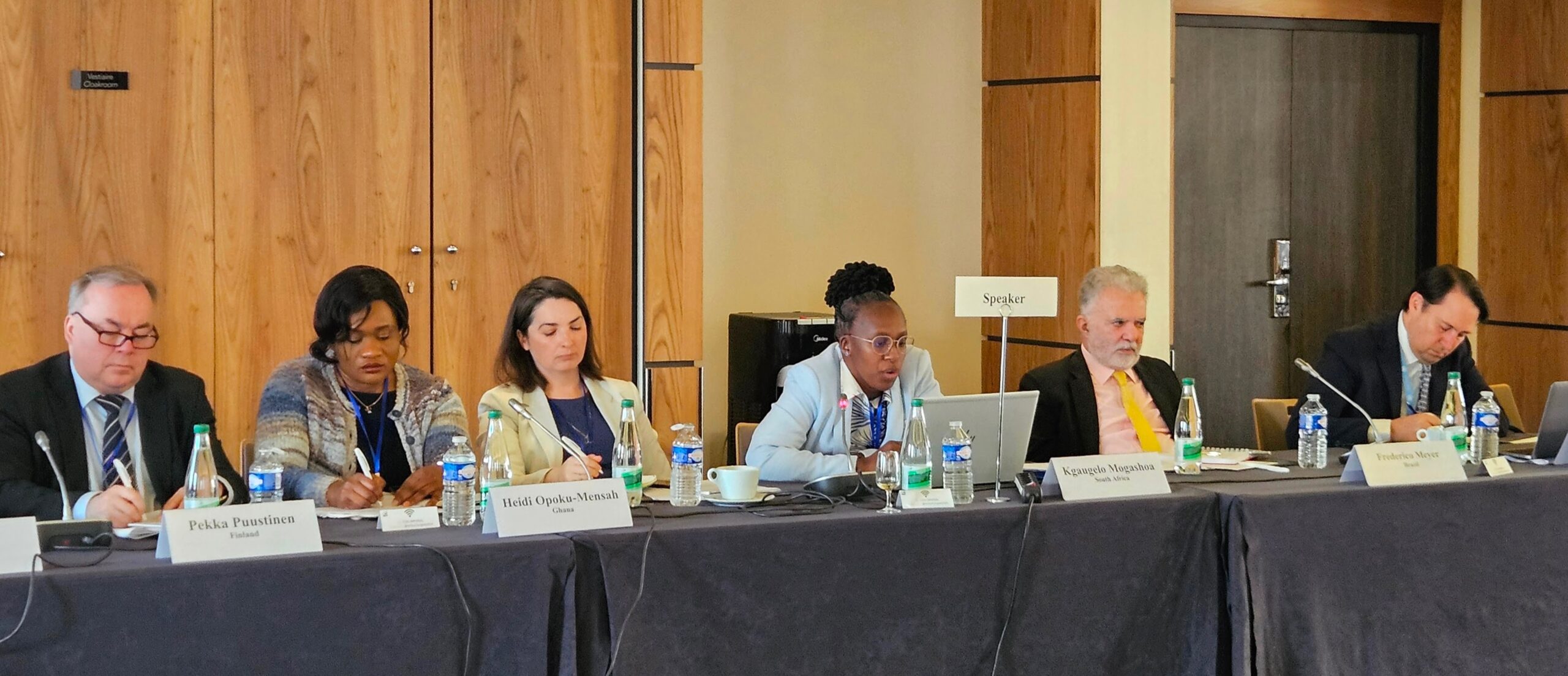
The session on peaceful uses highlighted the rapidly growing global interest in nuclear energy, as well as non-power applications of nuclear technology. Participants explored how States parties might build on the 2022 Review Conference discussions to develop practical recommendations to expand access to peaceful uses, particularly for developing countries, while ensuring that such expansion continues to be supported by safeguards and effective regulatory frameworks. The issue of the safety and security of nuclear facilities in the context of armed conflicts was also raised.
Workshop participants considered ways in which the Review Conference could address proposals on strengthening the NPT review process, taking into account the discussions throughout the current review cycle. Many state representatives identified enhanced transparency and reporting by the NWS as both a priority and an area where progress appeared most possible.
Following the main workshop, the VCDNP and CNS convened a half-day meeting in support of the NPT continuity, coordination and institutional memory. The meeting provided an opportunity for the President-designate and other members of the Bureau of the 2026 NPT Review Conference, along with some of the past review conference officers, to share lessons learned and discuss approaches to conference management and negotiations of final documents.
The workshops in Annecy were convened with the generous support of the Carnegie Corporation of New York, the government of Japan, Swiss Federal Department for Foreign Affairs, and the governments of Canada, France, Germany, Ireland, New Zealand, Republic of Korea, Thailand, and United Kingdom.