Brief: Reducing Risk in Uncooperative Rendezvous and Proximity Operations

22 October 2026 • 
Briefs and Factsheets, Publications
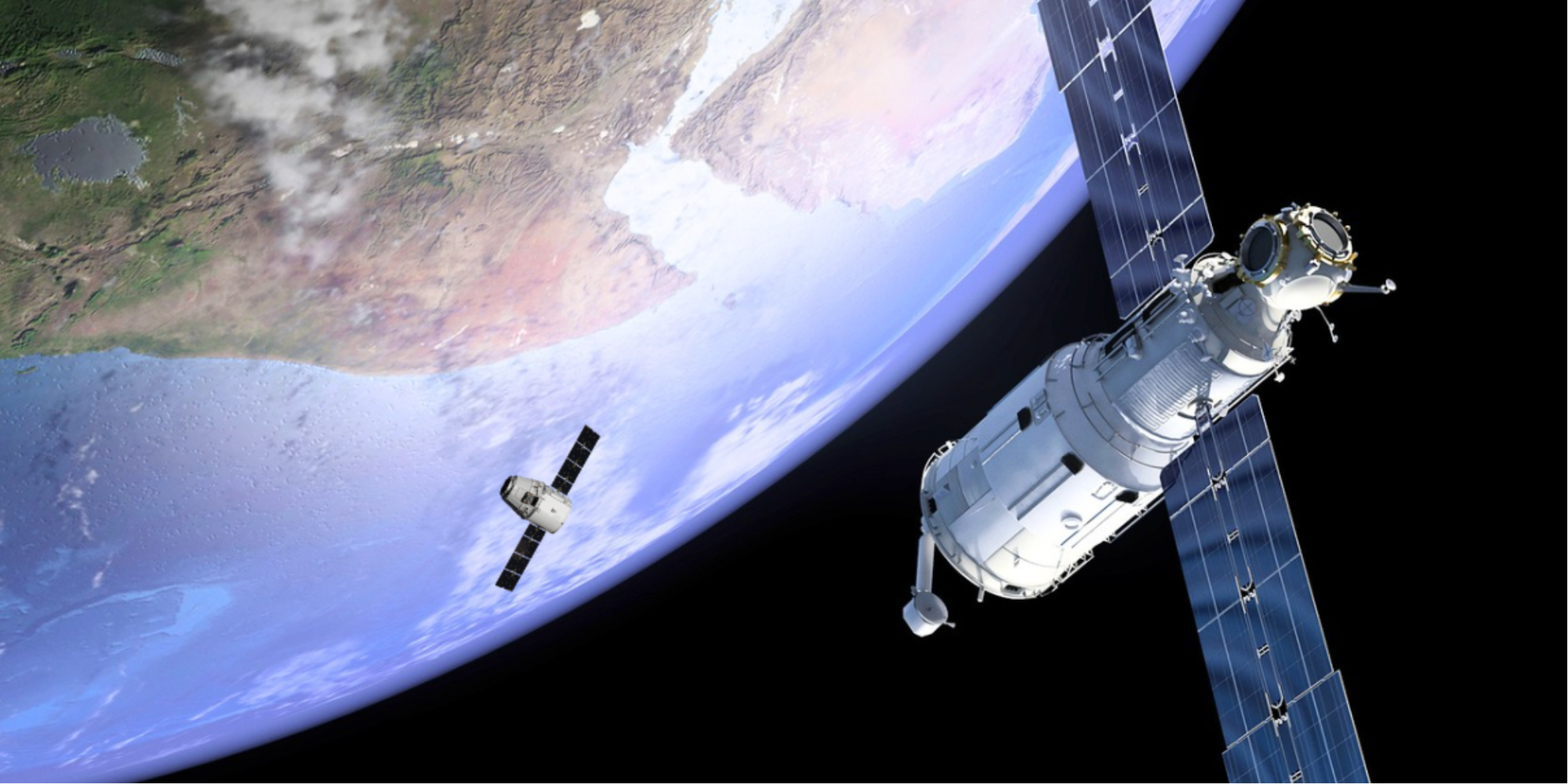
The VCDNP presents a brief setting out the factors contributing to uncertainty in uncooperative rendezvous and proximity operations and suggesting concrete measures to reduce the risk of escalation.
Share this:

The VCDNP presents a brief setting out the factors contributing to uncertainty in uncooperative rendezvous and proximity operations and suggesting concrete measures to reduce the risk of escalation. This brief provides States with expert-backed input for negotiations in the OEWG on PAROS and the UNGA First Committee.

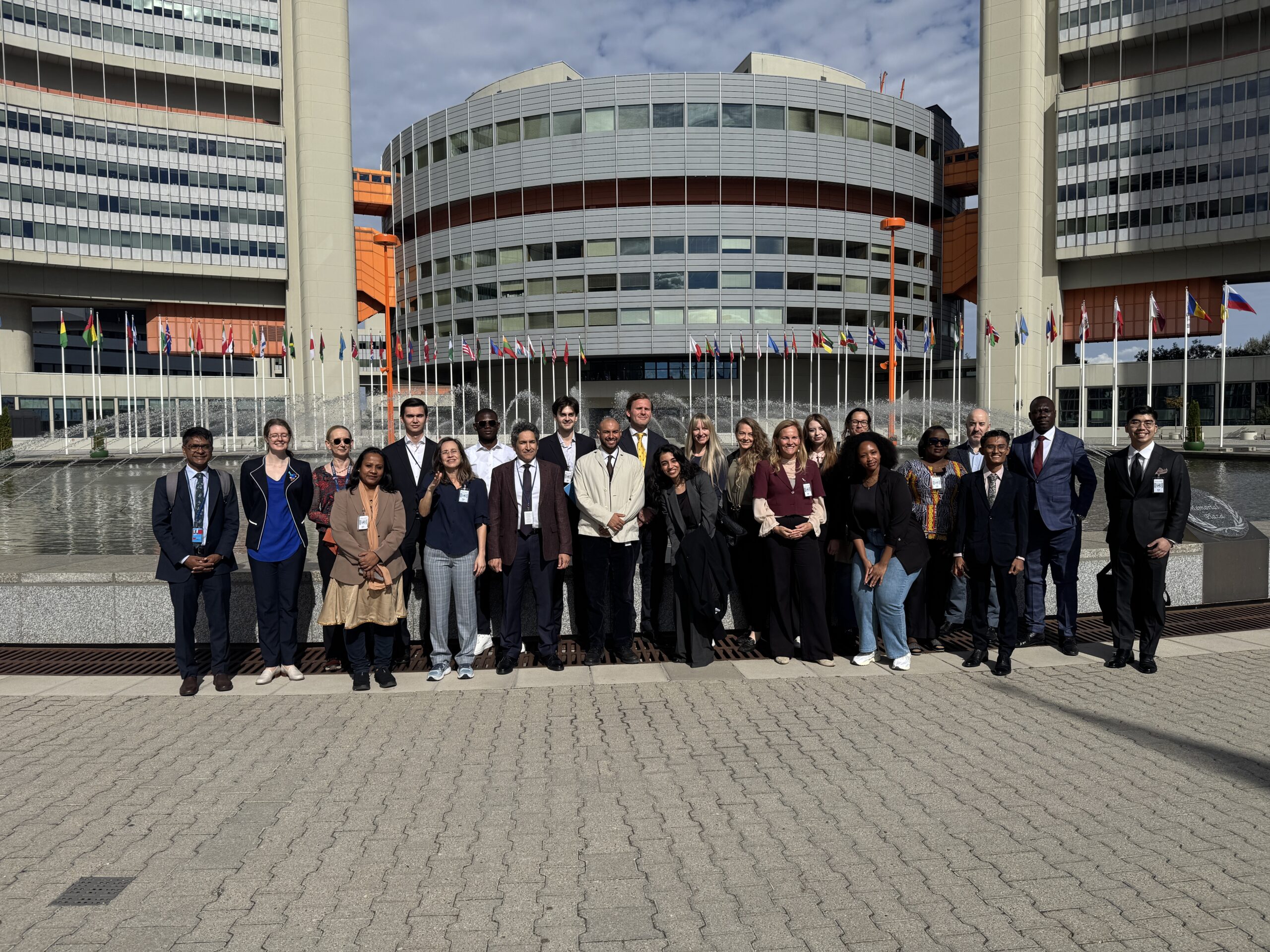
This brief summarises the findings from an intensive three-day working meeting between experts from space commands, the space industry, and ministries of foreign affairs. The group included companies leading the development of RPO and SSA capabilities, armed forces analysts from space intelligence centres, experts in space policy and regulation, and officials from both advanced and emerging spacefaring nations.

The group examined the security threats posed by uncooperative RPOs, scenarios in which they could trigger armed conflict, and what measures could be taken to reduce the risk of unintended escalation.

This publication was made possible thanks to the financial support of the UK Foreign, Commonwealth & Development Office.

Related Experts

Louis Reitmann
Senior Research Associate

Related Content

Fall 2026 Nuclear Non-Proliferation and Disarmament Short Course

6 October 2026 • 
The VCDNP conducted its 32nd intensive short course on nuclear non-proliferation and disarmament, training 24 diplomats, officials, and other practitioners from 21 countries.
Read more

Managing Cybersecurity for Nuclear Security in the Age of AI

1 July 2026 • 
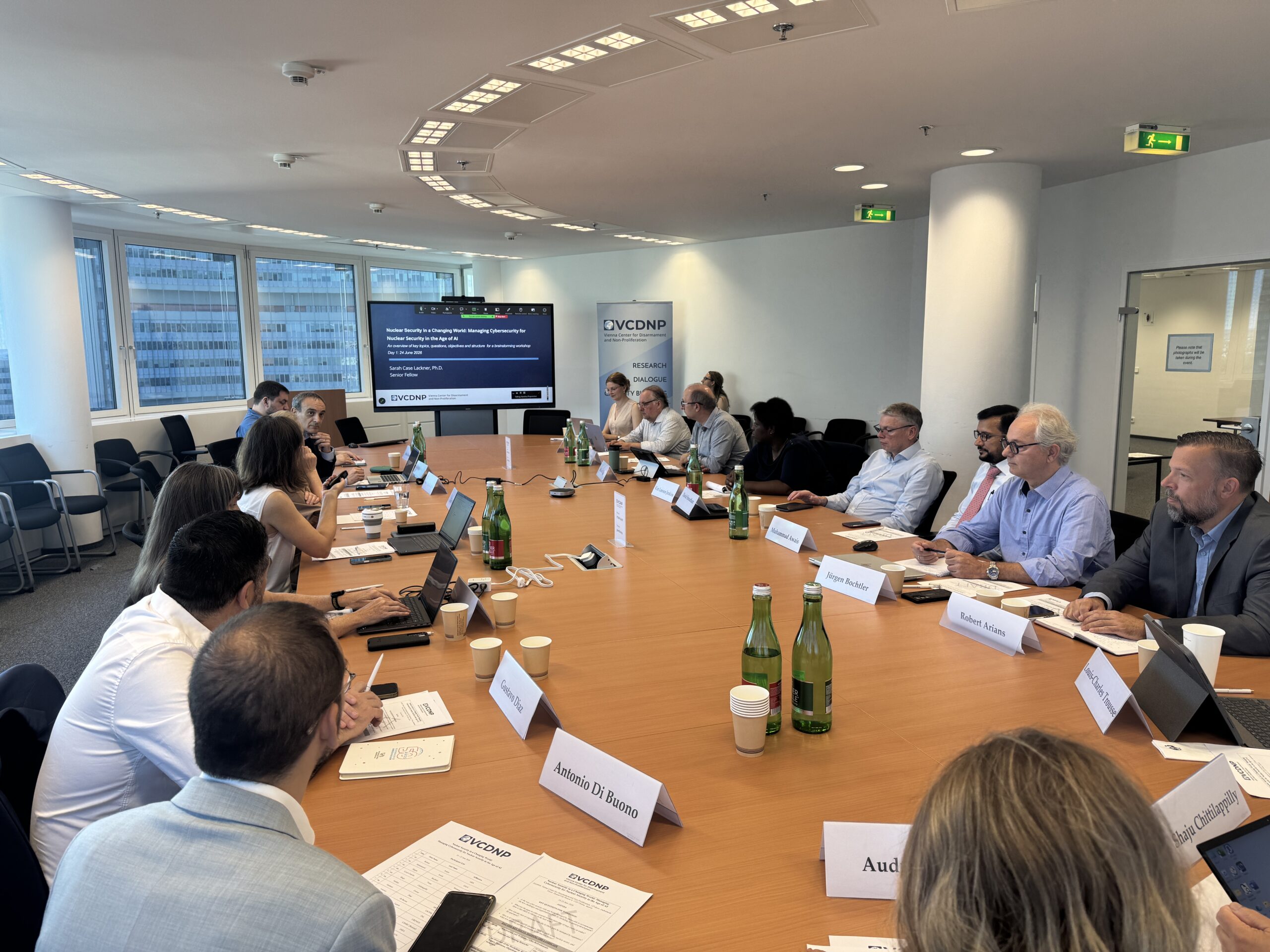
AI is changing the cybersecurity landscape faster than traditional regulatory approaches in the nuclear industry can keep pace. The VCDNP brought together experts from industry, national regulators, and international organisations to examine what this means for nuclear security and what regulators and operators need to do about it.
Read more
1 2 3 … 11
cross
linkedin facebook pinterest youtube rss twitter instagram facebook-blank rss-blank linkedin-blank pinterest youtube twitter instagram