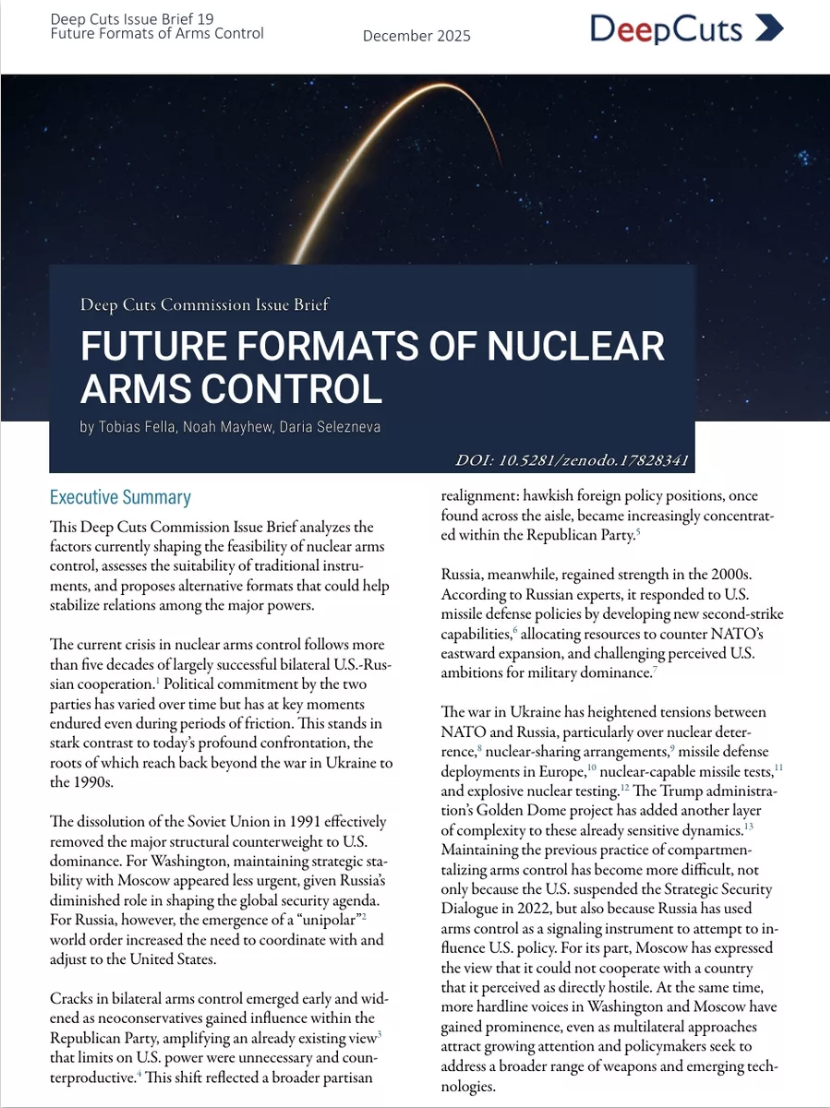
A new issue brief published by the Deep Cuts Commission examines potential future formats of nuclear arms control as the crisis in arms control deepens. Co-authored by Senior Research Associate Noah Mayhew together with Dr. Tobias Fella (Institute for Peace Research and Security Policy) and Daria Selezneva (Primakov National Research Institute of World Economy and International Relations), the brief assesses how arms control frameworks have evolved and what forms they might take under current political and strategic conditions.
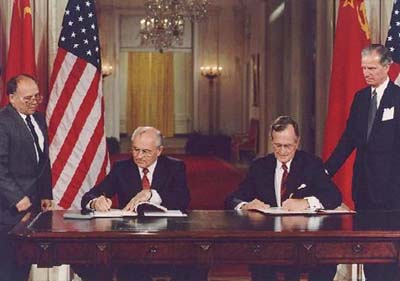
The brief reviews the “traditional” formats for nuclear arms control agreements, including legally binding bilateral treaties, politically binding agreements, and political declarations. It also considers multilateral arrangements—such as the Treaty on Open Skies—that, while not focused on nuclear weapons, have contributed to transparency, confidence-building, and risk reduction among States.
Against this backdrop, the authors examine the limitations of relying exclusively on legally binding treaties in the near term and analyse the potential role of alternative approaches. These include novel politically binding measures, confidence- and risk-reduction arrangements, and dialogue mechanisms that may be better suited to managing emerging challenges, including new technologies and evolving security dynamics.
While emphasising that legally binding agreements remain the most robust form of arms control, the brief argues that non-binding measures should not be dismissed. Under present conditions, such instruments may help reduce nuclear risks, preserve channels of communication, and lay the groundwork for more comprehensive agreements in the future.
The brief concludes with recommendations that address both current constraints and longer-term objectives for arms control. These include renewed bilateral dialogue, long-term thinking about future arms control architectures, greater flexibility through packages of agreements with different legal and political statuses, and an emphasis on concrete, verifiable actions.