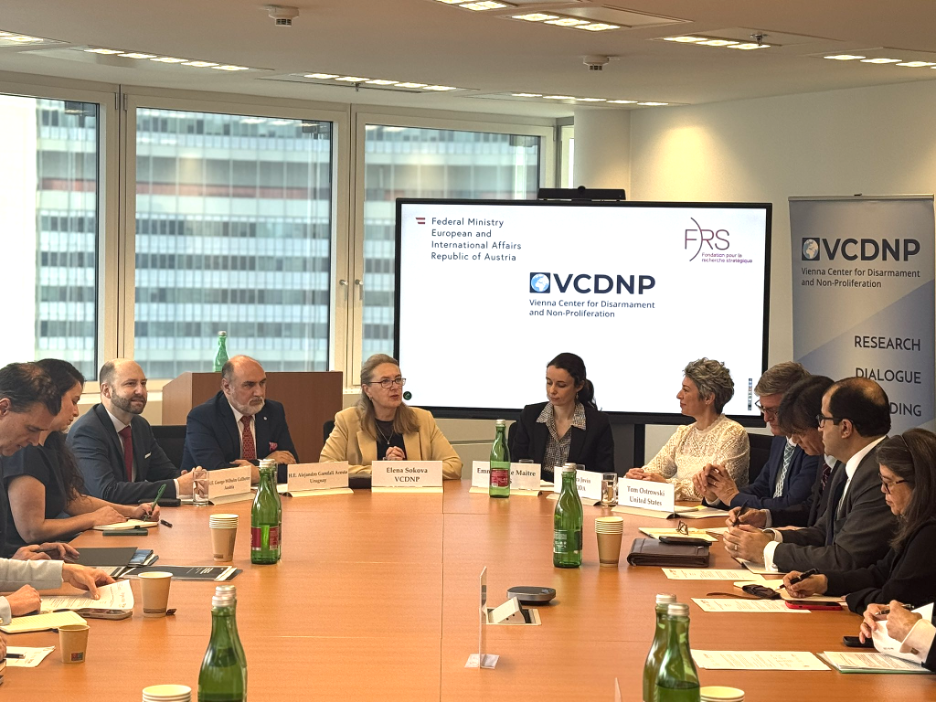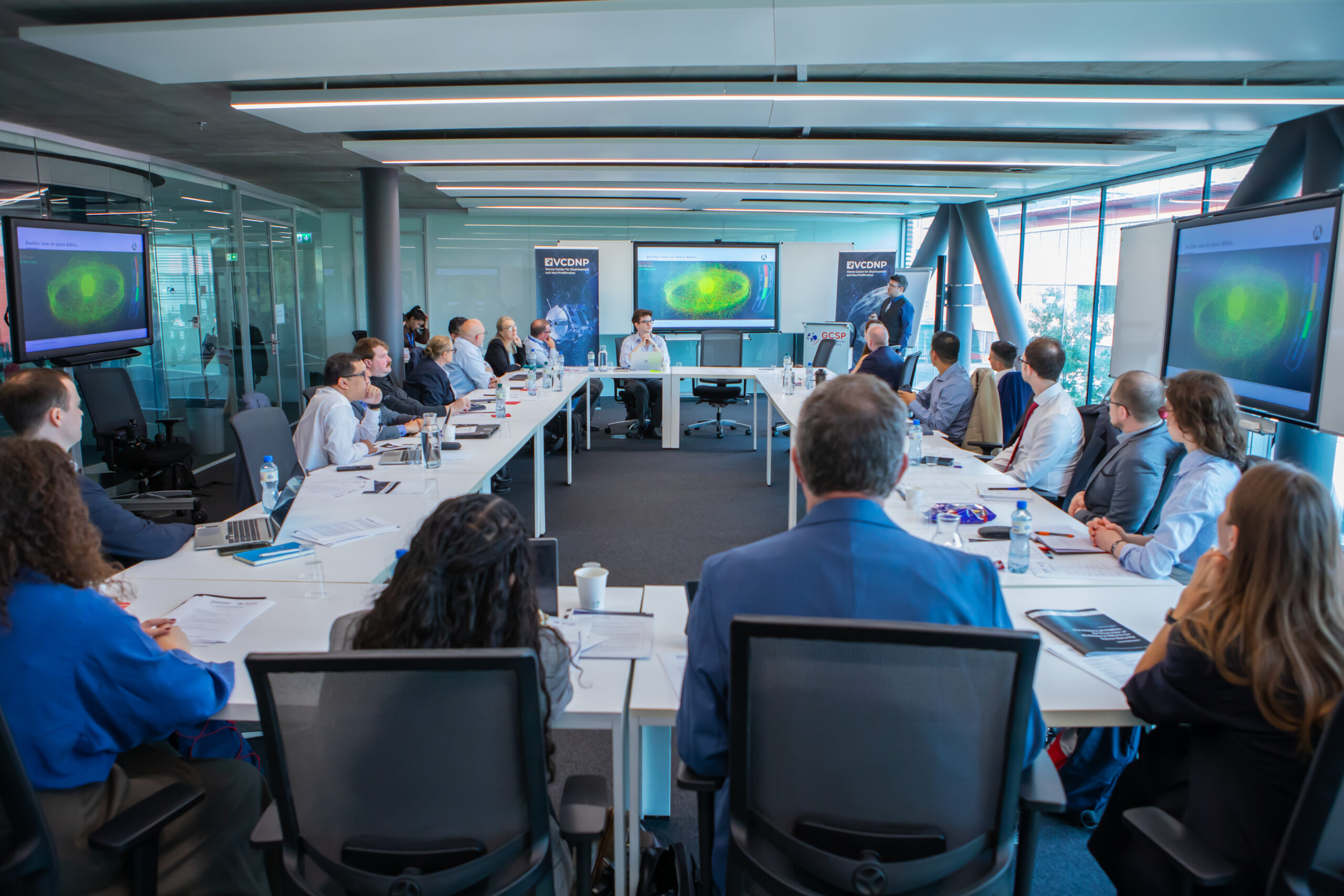
The VCDNP brought together experts representing space commands, ministries of foreign affairs, and the space industry for a three-day working session from 29 September to 1 October 2026 at the Geneva Centre for Security Policy.
Participants from 11 countries on four continents were selected for their expertise in addressing the security threats posed by certain uncooperative rendezvous and proximity operations (RPOs).
RPOs are manoeuvres that bring two or more spacecraft close together to achieve mission objectives that can range from inspection, servicing, and active debris removal to military reconnaissance, intelligence gathering, and potential anti-satellite purposes. When conducted without consideration of spaceflight safety and threat perceptions by the target object, such activities can raise the risk of accidental collision, misperception of intentions, and may provoke countermeasures that can lead to unintended escalation and armed conflict.


Reducing Risk in an Increasingly Unstable Space Domain
The sessions focused on understanding the different scenarios in which an uncooperative RPO between two foreign spacecraft could escalate into armed conflict, and on assessing the individual risk factors within these operations, ranging from intentionally rapid and difficult-to-observe approaches to potential jamming of the target object. In dynamic small groups with a rich mix of expertise, participants developed tools and measures to enhance spaceflight safety and facilitate signalling of intent during uncooperative RPOs. The discussions produced suggestions for novel measures not previously discussed in UN forums, and promise to inject fresh ideas into states' deliberations on space security governance.
Participants benefited from presentations by world-leading experts on the astrodynamics and space engineering behind RPO technologies, the role of space domain awareness in monitoring and analysing spacecraft behaviour, and the development of domestic regulation and international industry standards for safe and professional RPOs. Experts also screened the risk reduction tools and measures developed in the working sessions for feasibility, implementation, and verification challenges, and mapped out how their proposals connect to, expand, and operationalise existing international law, UN guidelines, and industry best practices applicable to RPOs.
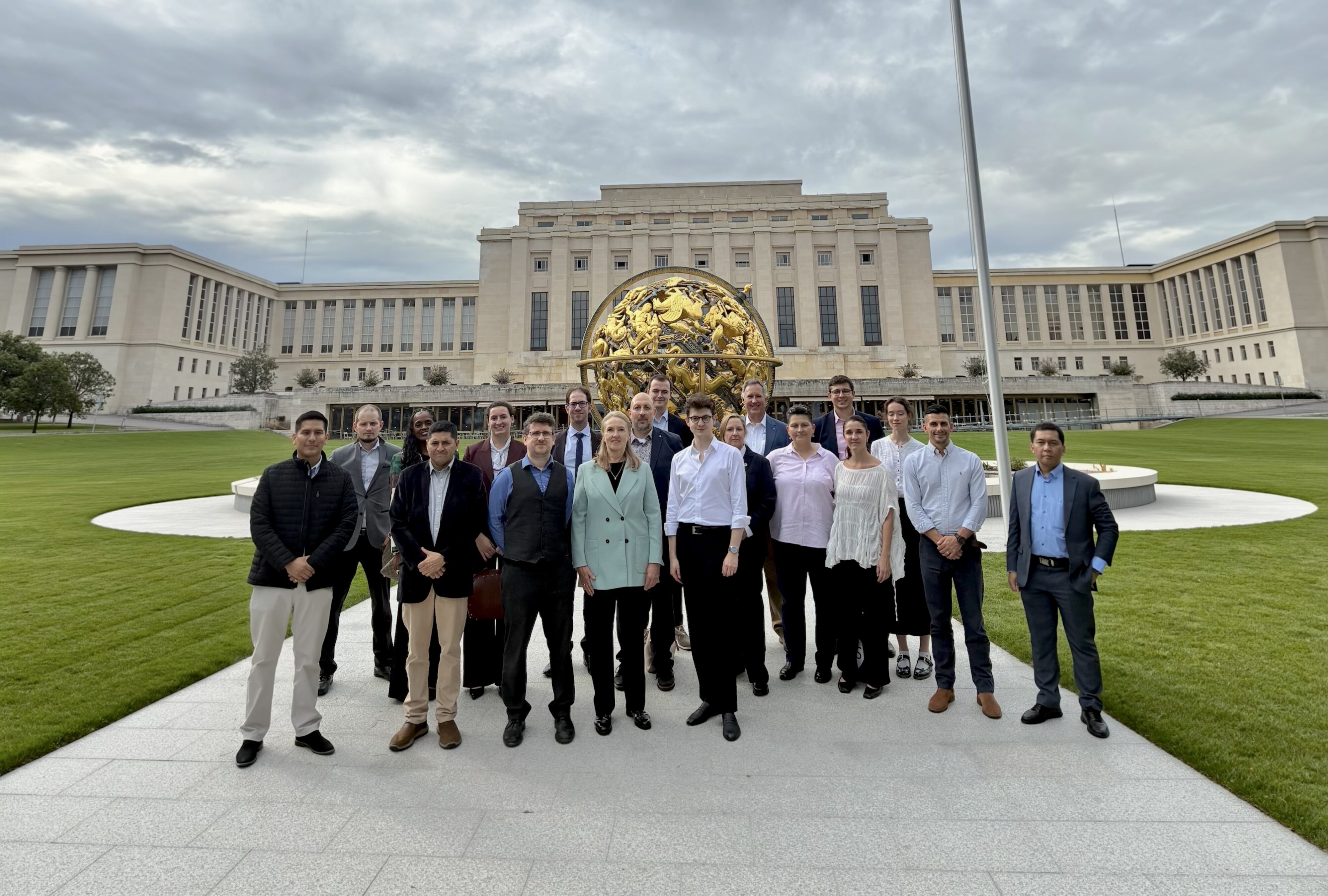
Experts at the workshop connected closely with States' efforts toward space security governance through a meeting with Ambassador Carlos Mario Foradori, Chair of the OEWG on PAROS in All Its Aspects, and Michael Spies, Deputy Chief of Office of the UN Office for Disarmament Affairs (UNODA) Geneva Branch. In an open exchange, the group developed a better understanding of the technical, operational, and policy expertise the OEWG needs to negotiate concrete norms, rules, and guidelines capable of preserving stability and preventing conflict in space.
The outcomes of the workshop will be presented at a VCDNP event on 22 October 2026, during the UN General Assembly First Committee meeting in New York.
Bringing Operational Realities into UN Discussions
This was the first in a series of workshops that will analyse key drivers of escalation risk in space and develop technically sound, expert-backed solutions to address them. UN discussions on space security proceed through formal, prepared statements, which leave limited room for the creative, frank, and results-oriented exchange needed to develop effective risk reduction measures that reflect the operational realities of space. These forums also tend to lack contributions from technical experts, space industry, and the armed forces, whose input is essential for implementing risk reduction measures in space.
The VCDNP's workshops seek to fill these gaps by providing a space for dynamic, practical deliberation among these communities. The insights and proposals they generate will support delegations to the Open-Ended Working Group on the Prevention of an Arms Race in Outer Space in All Its Aspects as they prepare to negotiate substantive recommendations to the UN General Assembly by 2028.
This workshop was made possible thanks to the financial support of the UK Foreign, Commonwealth & Development Office.