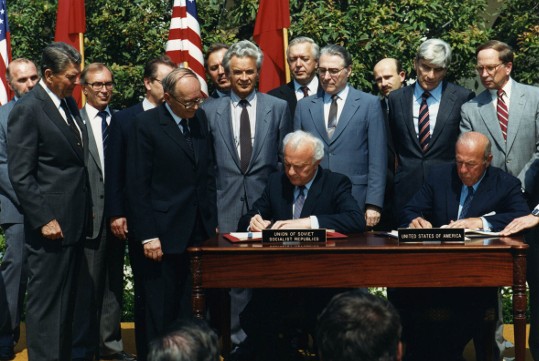
The expiration of the New START Treaty on 5 February 2026 marks the end of the last remaining bilateral arms control agreement between the United States and Russia. For the first time in over half a century, the two largest nuclear powers operate without legally binding limits on their strategic arsenals. This development raises concerns about renewed nuclear competition and the erosion of global non-proliferation norms.
In an interview with TASR, the Press Agency of the Slovak Republic, Federica Dall’Arche, Senior Research Associate at the VCDNP, explains that New START played a crucial role in maintaining global nuclear stability. By limiting deployed strategic warheads and introducing verification mechanisms such as data exchanges and on-site inspections, the treaty increased transparency and reduced the risk of miscalculation between Washington and Moscow. With its expiration, both countries “officially lose reliable insight into each other’s strategic nuclear forces” potentially heightening crisis instability and long-term strategic competition.
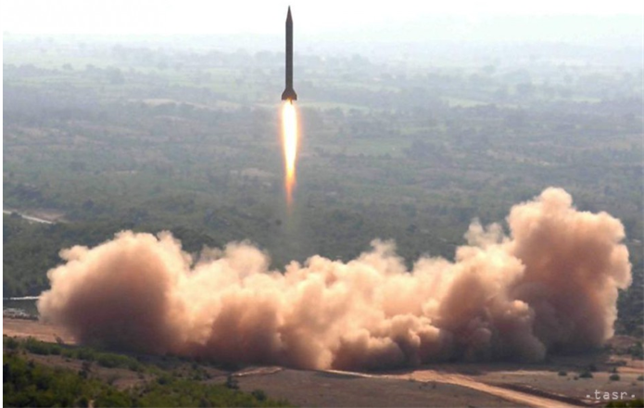
Dall’Arche argues that the consequences extend beyond the bilateral relationship. Due to its geographic proximity to Russia, Europe remains structurally more vulnerable to nuclear coercion and escalation dynamics. At the same time, the erosion of arms control could incentivize other nuclear-armed states - such as China, India, and Pakistan - to expand or modernize their arsenals in response to a more uncertain global balance.
Although the prospects for a new legally binding agreement appear slim in the near term, Dall’Arche notes that arms control arrangements have historically emerged during periods of intense geopolitical rivalry. If unconstrained competition generates excessive instability or costs, Washington and Moscow may eventually rediscover a shared interest in restoring limits and transparency in their strategic nuclear forces.