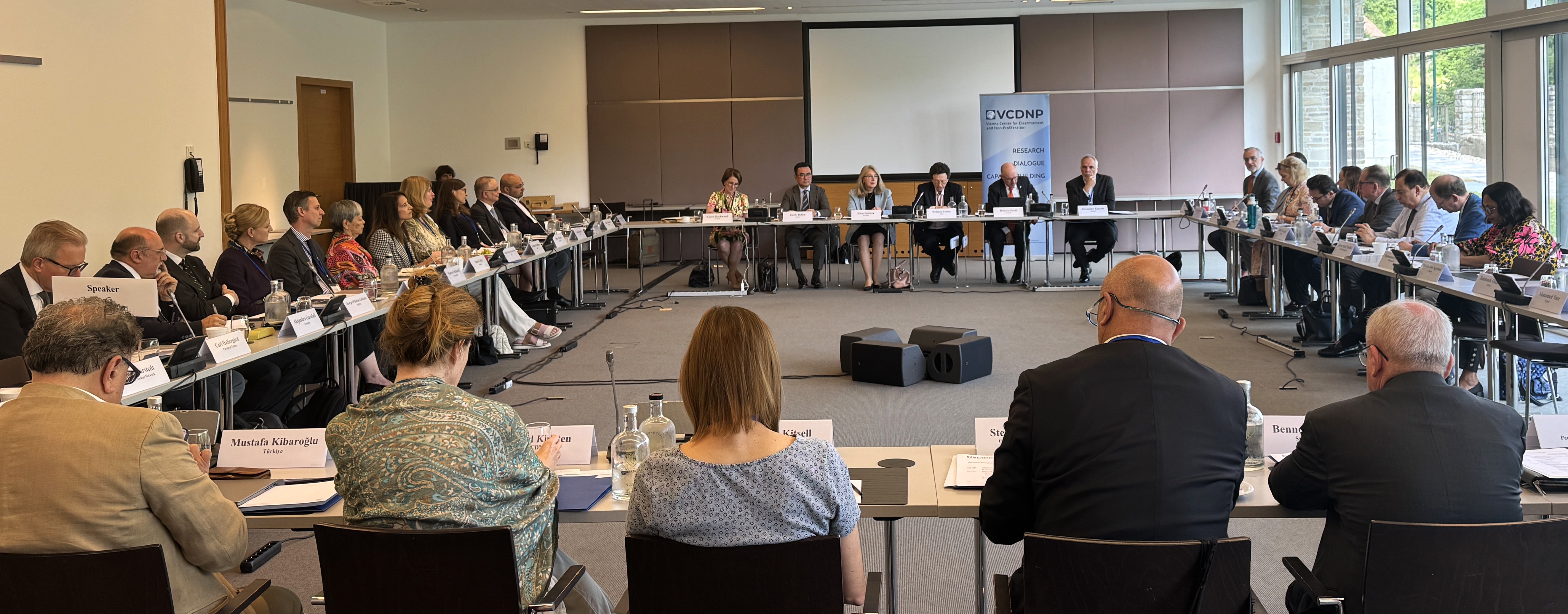
On 27 June, the annual VCDNP diplomatic workshop in Krems brought together 45 senior diplomats, officials from the Vienna-based international organisations, and representatives of select non-governmental organisations. Workshop participants exchanged views on the impact of recent geopolitical developments on the international non-proliferation regime and the work of international organisations, and key issues in safeguards implementation, nuclear security, and peaceful uses of nuclear technology.

Participants reviewed main takeaways from the third session of the Preparatory Committee of the 2026 NPT Review Conference, as well as the prospects for the Conference itself and beyond. They underscored the need for States Parties to recommit to the Treaty and consider early what the outcome of the next Review Conference could be.

Along with intensified great power competition and polarisation of debates, participants drew attention to the challenge of resource constraints at the time of growing demand for the International Atomic Energy Agency’s (IAEA) verification and assistance activities. Particular concerns were also expressed about the implications of attacks on Iran’s nuclear facilities for the NPT regime and IAEA’s work, as well as the future of diplomatic efforts to resolve the long-standing issue.

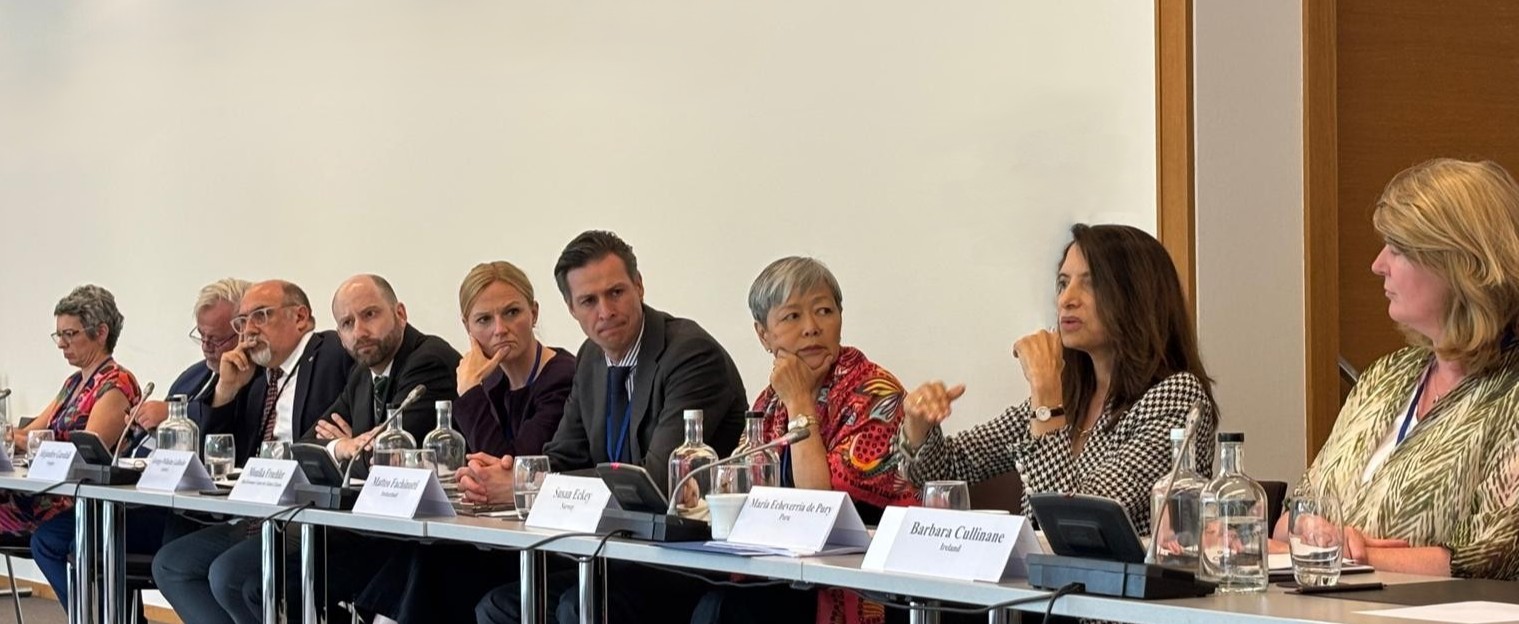
Speakers remarked that new and advanced technologies, such as small modular reactors (SMRs), present opportunities for advancing sustainable development but can also pose new challenges for nuclear security and verification.
Participants largely agreed that key obstacles to expanding peaceful uses, particularly in developing countries, remained financing – both for the nuclear power programmes and non-power applications – and the lack of infrastructure and human capacity. The speakers noted in this regard new cooperative projects and partnerships between the IAEA, Member States and other entities, and emphasised the importance of capacity-building.
The VCDNP is grateful to the Carnegie Corporation of New York whose generous support made this workshop possible.